
Every year in February, ocean lovers, conservationists, and marine life enthusiasts come together to celebrate World Whale Day. This global event is dedicated to raising awareness about the importance of whales in our ecosystems, the challenges they face, and the conservation efforts working to protect them. While whales can be found in oceans worldwide, few places offer the breathtaking encounters that we get to see here on Cape Cod! This picturesque Massachusetts destination that we are lucky enough to call home has long been one of the most significant whale-watching locations in the world, drawing visitors and researchers alike to its waters.
Mark your calendars for February 16th to join us in celebrating World Whale Day!

The Importance of Whales in Our Ecosystem
Whales play a crucial role in maintaining the balance of our marine ecosystems. Often referred to as the “engineers of the ocean,” these magnificent mammals help regulate marine food chains and contribute to the ocean’s health by recycling nutrients. When whales dive and surface, they mix different ocean layers, distributing plankton and other nutrients. On top of that, the biological waste of whales provide essential nutrients that support phytoplankton growth, which in turn absorbs carbon dioxide and produces oxygen. All of these natural actions make whales key players in combating climate change.
Cape Cod: A Whale-Watching Paradise
Cape Cod is one of the best places in the world to witness whales in their natural habitat. How lucky are we to be able to see this first-hand? The waters surrounding the Cape, particularly the Stellwagen Bank National Marine Sanctuary, provide a rich feeding ground for several species of whales. Due to its unique underwater landscape, the sanctuary is home to an abundance of fish and plankton, and attracts some of the ocean’s most impressive creatures.
The Majestic Whales of Cape Cod

Visitors to Cape Cod have the chance to witness a variety of whale species, each with its own distinct characteristics. The most commonly sighted whales in the region include:
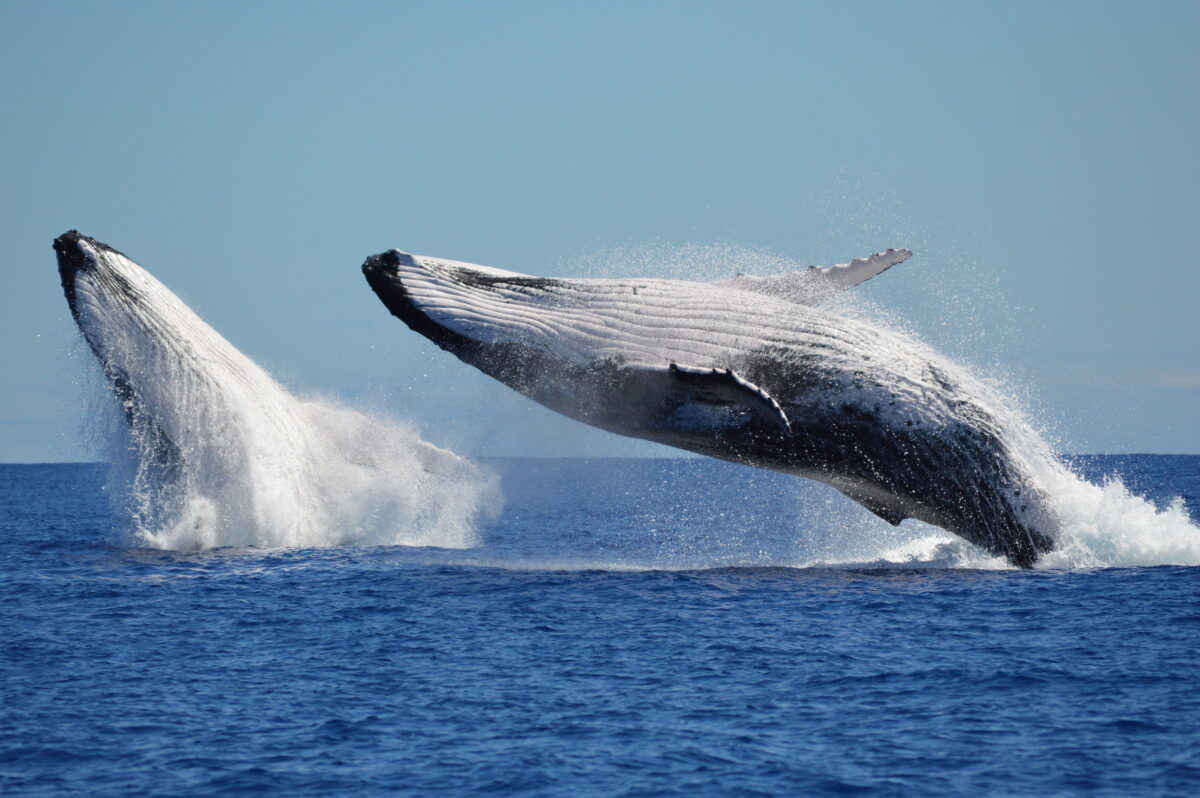
- Humpback Whales – Known for their acrobatic breaches and haunting songs, humpbacks are a favorite among whale watchers. These whales are often seen feeding and caring for their young in Cape Cod’s waters.
- North Atlantic Right Whales – One of the most endangered whale species, with fewer than 400 individuals remaining, North Atlantic right whales migrate through Cape Cod waters each year. Conservationists closely monitor their movements to help protect them from ship strikes and entanglements.
- Minke Whales – Smaller and more elusive, minke whales can sometimes be seen darting through the water. Though they are less common than humpbacks, they are just as fascinating to observe.
- Fin Whales – The second-largest whale species in the world, fin whales are sleek, fast swimmers and a thrilling sight in Cape Cod Bay.
The Threats Facing Whales
Despite their majesty, whales face numerous threats that endanger their survival. Some of the biggest challenges include:
- Climate Change – Rising ocean temperatures and shifting ecosystems impact whale migration patterns and food availability.
- Ship Strikes – Large vessels pose a significant danger to whales, particularly species like the North Atlantic right whale that frequent busy shipping lanes.
- Fishing Gear Entanglement – Whales often become entangled in fishing gear, which can lead to injury or death.
- Pollution – Plastic waste, oil spills, and chemical runoff contaminate the oceans, threatening marine life at every level of the food chain.
Cape Cod’s Conservation Efforts
Cape Cod is not only a prime location for whale watching but also a hub for marine conservation efforts. Organizations such as the Center for Coastal Studies in Provincetown and the Stellwagen Bank National Marine Sanctuary conduct research, rescue operations, and public education to protect these incredible animals that we share our ecosystem with. The Center for Coastal Studies, for example, has a dedicated Marine Animal Entanglement Response team that works to free whales caught in fishing gear.
Local whale-watching companies participate in responsible eco-tourism by adhering to strict guidelines that ensure minimal disturbance to the whales. These operators also play a key role in educating the public about conservation and marine biodiversity.
How You Can Celebrate World Whale Day on Cape Cod
To all of our locals and visitors, who may be wondering how to pause and celebrate these gentle giants, there are plenty of ways to celebrate and contribute to whale conservation:
- Go Whale Watching – Join a responsible whale-watching tour and witness these magnificent creatures up close while learning about their behaviors and habitats.
- Visit a Marine Conservation Center – Places like the Center for Coastal Studies offer educational exhibits and programs on whale conservation.
- Participate in a Beach Cleanup – Reducing ocean pollution is one of the most direct ways to help marine life.
- Support Conservation Organizations – Donations and volunteering efforts help fund crucial research and rescue missions.
- Spread Awareness – Share your knowledge about whales and conservation efforts on social media or in your local community.
A Call to Protect Our Oceans
World Whale Day is not just a celebration of these magnificent marine mammals that call our shores home, it’s a call to action. Whether you’re a local Cape Codder, a visitor, or someone who simply appreciates the beauty of the ocean, we all have a role to play in ensuring that future generations will continue to experience the wonder of whales.
By making sustainable choices, supporting conservation efforts, and advocating for ocean health, we can help protect the whales that make Cape Cod and our planet so extraordinary. This World Whale Day, join our team at Agway and take a moment to appreciate the incredible role whales play in our world and join the movement to safeguard their future!