
With our extra hour of daylight and rising temperatures (slowly but surely!) spring is beginning to breathe life into Cape Cod and the Northeast. As many of us know and look forward to, the return of spring brings with it the return of migratory birds. As the birds return, their quest for suitable nesting spots begins! For bird enthusiasts and nature lovers alike, there’s no better time to embrace the return of the birds than by providing a welcoming sanctuary in the form of birdhouses. In this seasonal breakdown, we’ll explore the significance of birdhouses, dive into the fascinating behaviors of springtime nesters, and offer tips on how to create the perfect bird haven in your backyard.

Why are Birdhouses Important?
Birdhouses, also known as nest boxes, play a crucial role in supporting bird populations, particularly in urban and suburban environments where natural nesting sites may not be common. By providing a safe and secure shelter, birdhouses offer nesting birds protection from predators, harsh weather conditions, and human disturbances. On top of that, they contribute to the conservation efforts of various bird species whose natural habitats are under threat from habitat loss and degradation.
In the Northeast, where diverse bird species thrive, the demand for suitable nesting sites is high, making birdhouses extremely important for repopulation success. From the charming Eastern Bluebird to the industrious House Wren, a well-designed bird house can attract a variety of species, enriching the wildlife variety in your area and the beauty that comes with it.
Spring Nesting Behavior
Spring signals the arrival of countless bird species returning from their wintering grounds, eager to establish territories and commence the nesting season. Understanding the nesting behaviors of these avian visitors is key to providing them with the necessary resources for successful reproduction.
Many birds are loyal to one spot, returning year after year to the same nesting areas. By strategically placing birdhouses in your yard, you can capitalize on this behavior, enticing returning individuals to settle and raise their broods nearby.
Different species have unique nesting preferences, ranging from cavity-nesting birds like chickadees and titmice to platform nesters like robins and mourning doves. Tailoring your bird house designs to accommodate the specific requirements of target species increases the likelihood of attracting nesting pairs.
Tips for Creating Bird-Friendly Habitats
Choose the Right Location
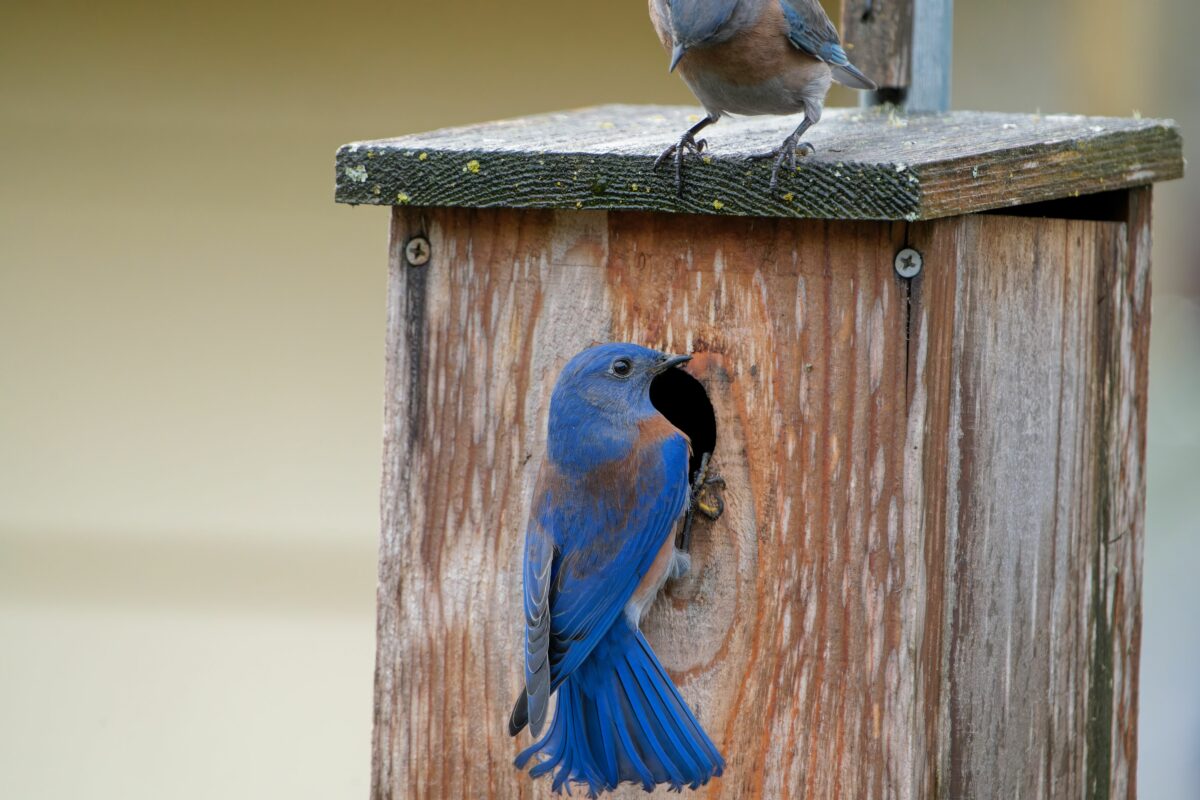
Select an appropriate location for your bird house is crucial. Ideally, it should be situated away from direct sunlight and prevailing winds, offering shade and protection from extreme weather conditions. Additionally, ensure there are no nearby hazards such as busy roads or predators.
Optimal Placement
Different bird species have varying preferences regarding the height and orientation of their nesting sites. For cavity-nesters like chickadees and bluebirds, mount the bird houses on poles or trees at eye level, facing away from prevailing winds. Platform nesters, such as robins, prefer open, elevated sites like the branches of trees or the eaves of buildings.
Providing Nesting Materials
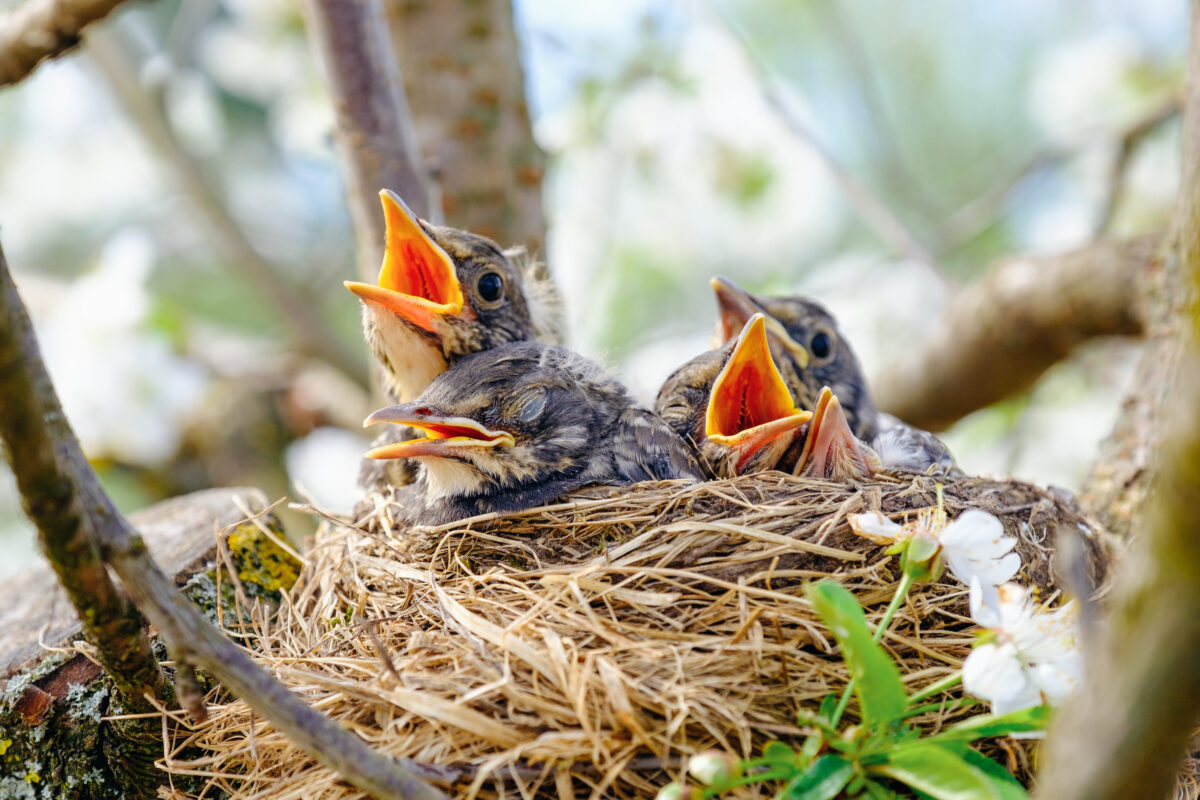
While bird houses offer shelter, providing nesting materials like twigs, grasses, and feathers encourages birds to personalize their nests, making them more attractive and comfortable. Scatter these materials in your yard, allowing birds easy access to essential building supplies.
Maintenance and Monitoring
Regular maintenance of bird houses is essential to ensure their longevity and functionality. Clean out old nesting material after each breeding season to prevent the buildup of parasites and pathogens. Additionally, monitor bird activity around your bird houses, keeping an eye out for signs of predation or competition from invasive species.
Native Plantings
Enhance the appeal of your bird-friendly habitat by incorporating native plant species that provide food, shelter, and nesting sites for avian visitors. Native trees, shrubs, and flowers attract insects and other invertebrates, forming the foundation of a healthy ecosystem that sustains bird populations throughout the year.
Species Spotlight: Eastern Bluebird
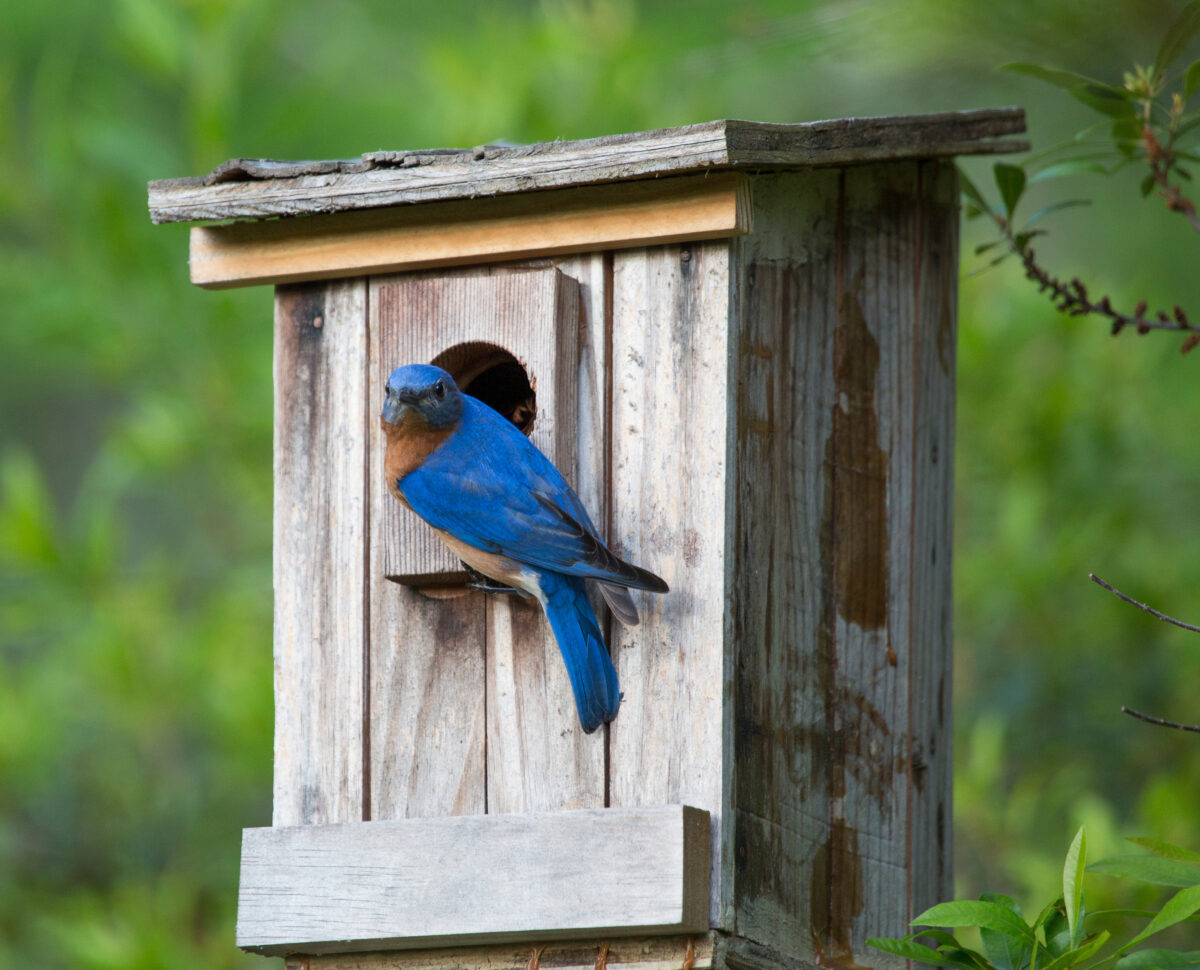
Eastern Bluebird on a Birdhouse
One of the most beloved springtime visitors in the Northeast is the Eastern Bluebird (Sialia sialis). With its vibrant blue colors and beautiful song, this iconic species captivates bird watchers across the region. Once on the brink of decline due to habitat loss and competition from invasive species, concerted conservation efforts have helped bolster bluebird populations, making them a symbol of hope and resilience.
Eastern Bluebirds are cavity-nesting birds, relying on natural or artificial cavities for nesting sites. Traditional wooden birdhouses with entrance holes sized specifically for bluebirds (1.5 inches in diameter) are ideal for attracting these charming songbirds. Placing birdhouses in open areas with short grass or scattered perches replicates their preferred habitat of meadows and open woodlands.
During the breeding season, male bluebirds perform elaborate courtship displays to attract mates and defend territories. In the bird world, chivalry isn’t dead! Once paired, they work diligently to construct nests by using a combination of grasses, pine needles, and feathers, often lining them with finer materials for added insulation.
Female bluebirds typically lay 4-6 pale blue eggs, which they incubate for about two weeks. Both parents share the responsibilities of incubation and feeding, ensuring the survival of their offspring. Within a month, the young bluebirds will take their first tentative flights into the world beyond the safety of the nest!

Welcome Birds Into Your Yards This Spring
As spring unfolds its warmth and sunshine across the Northeast, many bright and beautiful birds will start to migrate our way. By adding birdhouses into your backyard, you can play a vital role in supporting these migratory birds while enjoying their growth and beauty. Whether you’re a seasoned birder or a novice nature enthusiast, there’s no greater joy than witnessing the marvel of new life taking flight amidst the warmth and abundance of spring. So, grab your binoculars, set up your birdhouses, and prepare to welcome a symphony of feathered friends into your midst!