
By the time mid-August rolls around, our beautiful Cape Cod is in the thick of a seasonal shift. You might have started to notice that nature has started its quiet preparations for fall. Bird lovers, this is an especially exciting time for you all! Late summer is prime season for spotting a wide variety of species, from long-time Cape residents to migrating birds passing through who are fueling up for the journey ahead.
Whether you’re a casual observer who enjoys the occasional flash of color in the garden or a seasoned birder with binoculars in hand, Cape Cod offers countless opportunities to witness a bit more of a “feathery” side of late summer.

Why August is Special for Birdwatching on the Cape
Cape Cod sits along the Atlantic Flyway, one of the major migratory routes in North America. That means our skies and shorelines see constant movement throughout the year, but August brings a particularly dynamic mix of regulars, summer visitors, and early southbound travelers.
Late summer is also when many birds have completed their nesting season and can be seen teaching their babies how to forage, hunt, and navigate. Add in the changing food availability, from ripening seed heads in gardens to insect-rich marshes, and you’ve got a vibrant, ever-changing bird scene right in your backyard.

Birds You Might Spot in August
Here are a few feathered friends you might encounter in the late-summer migration mix:
Ruby-throated Hummingbird – These tiny powerhouses are still zipping back and forth between nectar-rich flowers to store up as much energy as possible for their remarkable migration to Central America. Look for them in gardens planted with bee balm, cardinal flower, or salvia.
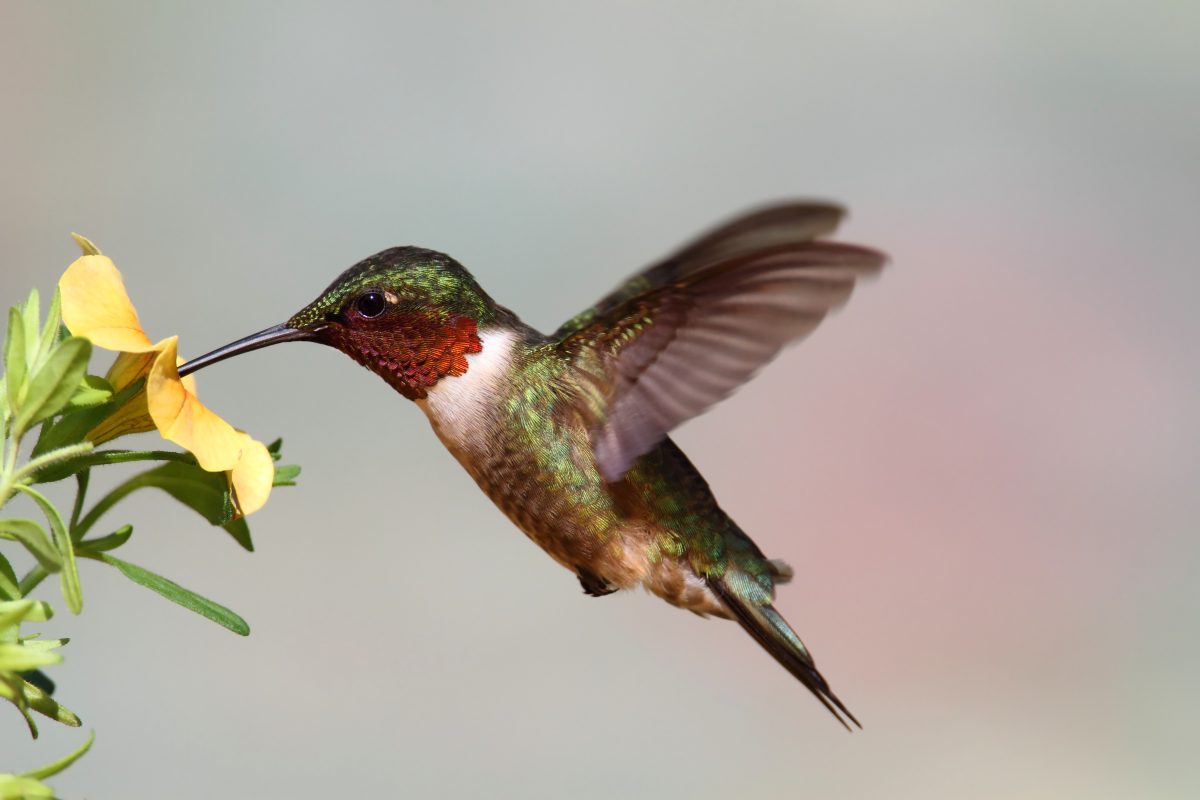
Ruby-throated Hummingbird
Common Tern – You’ll find them along beaches and salt marshes, diving for fish and buzzing in flocks. By the end of August, many will have started moving south, but some will remain in our area into early fall.
Eastern Kingbird – Often setting up shop in open fields and meadows, these sleek, black-and-white birds are expert flycatchers and make for really beautiful photo subjects.
American Goldfinch – Unlike many birds, goldfinches nest later in the summer, so you may see bright yellow males still courting or feeding young. Thistle seed feeders will keep them visiting your yard well into September.

American Goldfinch
Shorebirds – August is prime time for sandpipers, plovers, and dowitchers passing through on their long migrations. Monomoy National Wildlife Refuge and Wellfleet Bay Wildlife Sanctuary are two great spots for shorebird watching.
Late Summer Birdwatching Spots
If you want to take your birdwatching talents beyond your backyard, Cape Cod is full of birding hotspots worth visiting in August. We’ve listed some great spots below.
-
Wellfleet Bay Wildlife Sanctuary (Wellfleet) – Boardwalks, salt marshes, and wooded trails attract an impressive diversity of species.
-
Monomoy National Wildlife Refuge (Chatham) – World-class for shorebirds and seabirds during migration season.
-
Fort Hill (Eastham) – Sweeping views over Nauset Marsh and a variety of habitats in a compact area.
-
Sandy Neck Beach (Barnstable) – A mix of dunes, tidal flats, and maritime forest makes it great for spotting both waterbirds and songbirds.

Sandy Neck Lighthouse
How to Attract and Support Late-Summer Birds
If you’re playing hard to get and you’d rather have the birds come to you (😉), August is a great time to fine-tune your yard for maximum feathered visitors. Here are some tips:
Provide a Reliable Water Source
Birds need water for both drinking and bathing, especially during warm, dry stretches in their migration path. A shallow birdbath or small water feature will bring in everything from goldfinches to warblers. Keep it clean and refill often.
Offer Seasonally Relevant Food
-
Nectar feeders for hummingbirds (change your sugar water every few days).
-
Nyjer seed for goldfinches.
-
Black oil sunflower seeds for a wide range of songbirds.
-
Mealworms for insect-loving species like bluebirds.
Plant Native Flowers, Shrubs, and Trees
This is a bigger step that requires more planning, but having the right vegetation in your yard is one of the best ways to attract birds. Coneflowers, bee balm, cardinal flowers, and native sunflowers provide both nectar and seeds. Native shrubs like bayberry and winterberry will serve as important late-season food sources. It’s kind of like how Noah built the big white house with the blue shutters and a room for her to paint without knowing if Allie would ever come back. If you build it, they will come, right?

With ample planning, this could be you with a yard full of the most beautiful birds in town!
Reduce Pesticide Use
Insect populations are vital for many birds during late summer, especially for feeding young. Limiting chemical treatments helps maintain a healthy food web. Birds can smell chemical sprays from miles away and their natural instinct is to avoid it. If you want birds to come to your yard, do your best to keep it natural.
Give Them Shelter
Thick shrubs, small trees, and brush piles offer protection from predators and weather, making your yard more attractive to shy species. Make the birds feel welcome!
Birdwatching Etiquette and Conservation
It’s easy to get caught up in the excitement of spotting a rare bird, but remember that late summer is a critical time for many species to rest and refuel before migration. Keep a respectful distance, avoid loud noises near nesting or feeding areas, and stick to marked trails in sensitive habitats.
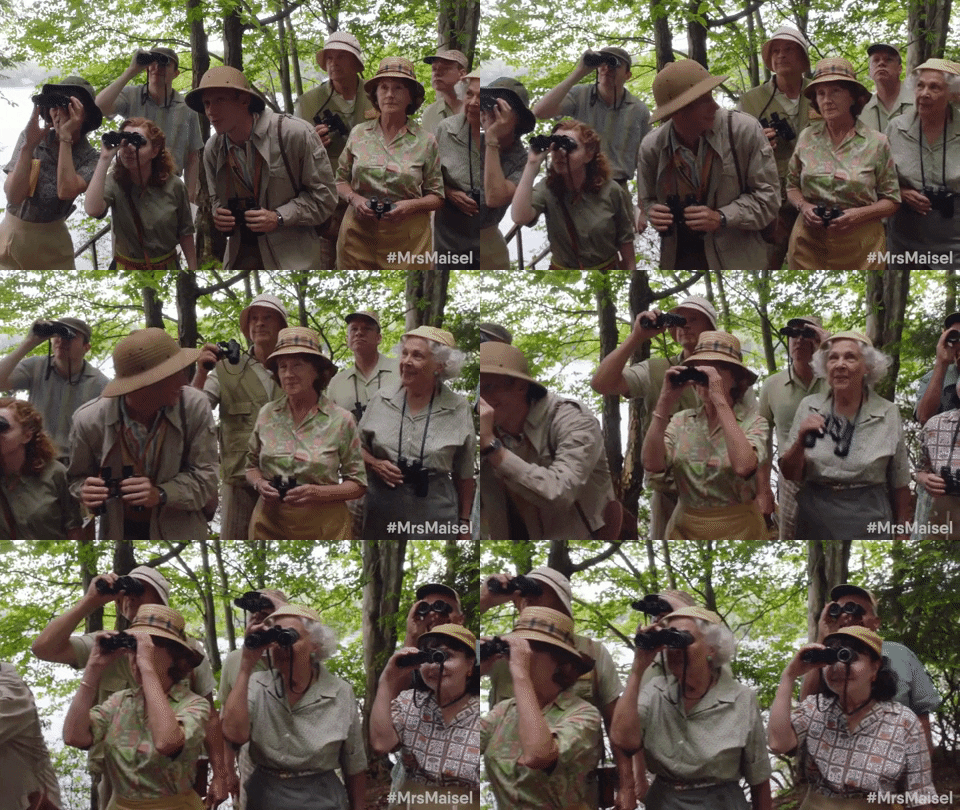
If you want to contribute to bird conservation, consider participating in local counts or logging your sightings on platforms like eBird. The data helps scientists track population trends and migration patterns.
A Rewarding End-of-Summer Ritual
Birdwatching in August is more than just a hobby! It’s a reminder of the constant movement and traditions of nature happening in the world around us. On Cape Cod, we’re lucky to be at the crossroads of so many avian journeys, from tiny hummingbirds to long-legged shorebirds.
Whether you’re spending a quiet morning with coffee on the deck or setting out with binoculars along the shoreline, take the time to notice who’s sharing the season with you. You might just find that the birds are the best storytellers of all!