
As we start entering late-August and the final weeks of summer, gardeners on the Cape might start to notice their flowers looking a little tired, lawns turning patchy, and vegetable plants slowing down after the summer rush. This late-summer stretch can be tough on gardens between lingering heat, irregular rain, and the changing daylight hours. It’s a season of transition. But with a few smart steps, you can keep your flowers, lawns, and veggies thriving now while also setting yourself up for a beautiful and productive fall. Grab your pumpkin spice latte and get comfortable. Let’s dive in!

Flowers: Refresh and Revitalize
By late August, annuals and perennials can often look a little spent after blooming all summer. The key right now is to refresh, not replace.
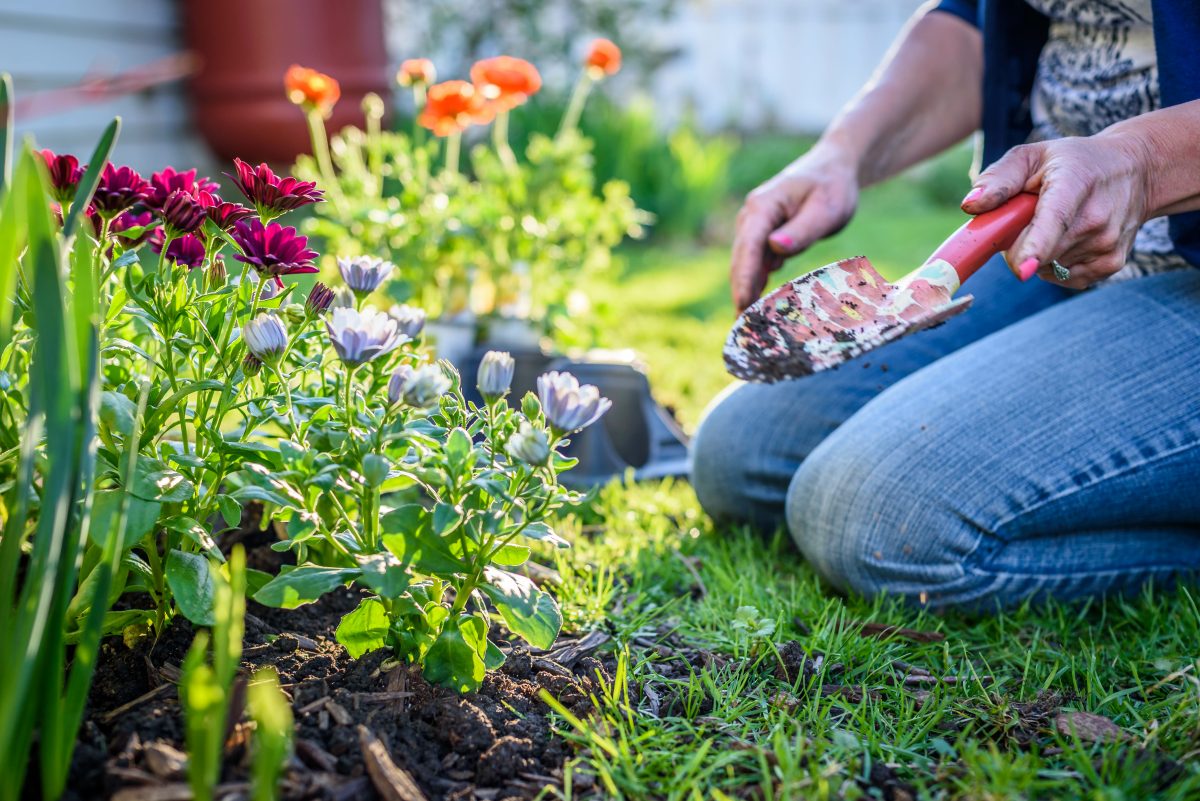
Deadhead spent blooms. Removing faded flowers helps redirect energy back into new growth and keeps annuals like petunias, zinnias, and geraniums looking fresh. Many perennials, like coneflowers and black-eyed Susans, will also push out new blooms if they are trimmed back. Take stock of your garden and go in for some trims to start preparing for the seasonal transition. This is an easy first step.
Fertilize lightly. Emphasis on “lightly”. A balanced, slow-release fertilizer can give annuals a boost without forcing excessive growth before cooler weather arrives. Be sure to stick to moderate feeding. Overdoing it now may encourage tender growth that won’t hold up in the fall. Try this slow-release fertilizer from Ecoscraps.
Divide and transplant perennials. These next handful of weeks that we are entering of late summer into early fall is one of the best times to divide overcrowded perennials such as hostas, daylilies, and irises. Cooler nights and occasional rainfall help transplants establish strong roots before winter.
Plan for fall color. Fall color is the best part of the seasonal transition, right? While refreshing your beds, consider adding late-blooming favorites like mums, asters, or ornamental kale. Planting them now ensures a seamless transition from summer to fall color in your garden. Don’t hesitate to visit any of our Agway locations to speak to our team of experts. We’d love to help you design a colorful fall garden!
Lawns: Repair and Reseed
Our Cape Cod lawns go through a lot in summer including heat stress, drought spells, and heavy foot traffic. August into September is prime time to revive your grass. Here are a few grass management tips from our team.

Water deeply and consistently. Lawns still need about an inch of water per week, especially in late-summer heat. If natural rainfall is inconsistent, supplement that rainwater with irrigation in the early morning to reduce evaporation.
Aerate compacted soil. Core aeration improves root development and allows water and nutrients to penetrate more effectively. Even small-scale aeration in high-traffic areas can make a difference.
Reseed any bare patches. Late summer is the best time to overseed with cool-season grasses that thrive in Cape Cod’s climate. Seeds germinate quickly in warm soil, and cooler nights encourage steady growth. This is a great step to take in order to fill in your grass and create a healthy lawn as we head into fall.
Feed wisely. Apply a slow-release lawn fertilizer to promote root strength rather than fast top growth. This prepares grass for the fall growing season and winter dormancy.
Vegetables: Keep Harvests Coming
The vegetable garden may feel like it’s winding down, but late summer can still be highly productive if you give it the right attention. After all, fall vegetables are some of the best! Take note of the tips listed below to maximize your produce.

Harvest often. Zucchini, cucumbers, beans, and tomatoes will keep producing as long as you pick regularly. Leaving overripe veggies on the vine signals to your plants that they should start slowing down. Keep up with harvesting to encourage more growth.
Pull spent crops. Once plants like lettuce, peas, or early-season beans are finished, clear the space to reduce disease and pest risks. Open space can be replanted with quick-growing fall crops.
Plant vegetables that are specific to fall. Now is the perfect time to sow cool-weather crops such as kale, spinach, radishes, arugula, and carrots. They thrive in the shortening days and cooler nights of September and October.
Mulch to regulate soil. A layer of straw, shredded leaves, or compost helps keep soil temperatures stable, conserves moisture, and reduces weed growth.

Watch for pests. Late summer can bring spikes in aphids, cabbage worms, and tomato hornworms. Stay vigilant with daily checks and use organic controls when possible.
General Garden Tips for the Transition to Fall
-
Stay on top of watering. Heat and humidity can be deceiving! Plants may still suffer drought stress even when it feels muggy.
-
Start composting leaves. As early leaf fall begins, collect and compost them now for rich organic matter to use next spring.
-
Check containers. Potted plants dry out faster in late summer heat. Refresh soil if needed and move containers to slightly shadier spots if they’re struggling.
-
Plan ahead. Think about bulbs for spring. Flowers like daffodils, tulips, and crocuses can be ordered now and planted later this fall. We have these seeds at our Agway locations.

A Season of Renewal
Late summer may feel like the “wind-down” of the gardening season, but in reality, it’s a moment of renewal. By tending to flowers, lawns, and vegetables now, you not only stretch the beauty and productivity of your garden through September, but you also prepare it for a strong, healthy start next spring. Lawn care is a combination of maintenance for today and laying the groundwork for tomorrow.
At Agway of Cape Cod, we’ve got everything you need to care for your late-summer garden. Browse our wide selection of fertilizers, grass seed, bird feeders, and fall plants. Stop by one of our stores, and let’s make the most of this transitional season together!