
As we approach the end of 2024 with our shorter nights and colder days, we get closer and closer to the winter solstice, which marks a significant moment in the natural calendar. The winter solstice is a celestial event that has been an important date for humanity for thousands of years, occurring annually around December 21st or 22nd in the Northern Hemisphere and June 20th or 21st in the Southern Hemisphere. It is the day when the Earth’s axial tilt is farthest from the Sun, resulting in the shortest day and longest night of the year. However, its significance extends far beyond astronomy. The winter solstice is monumental in cultural, spiritual, and historical references, making it a powerful reminder of all of our ancestors and civilizations who came before us.
The Astronomical Foundation of the Winter Solstice
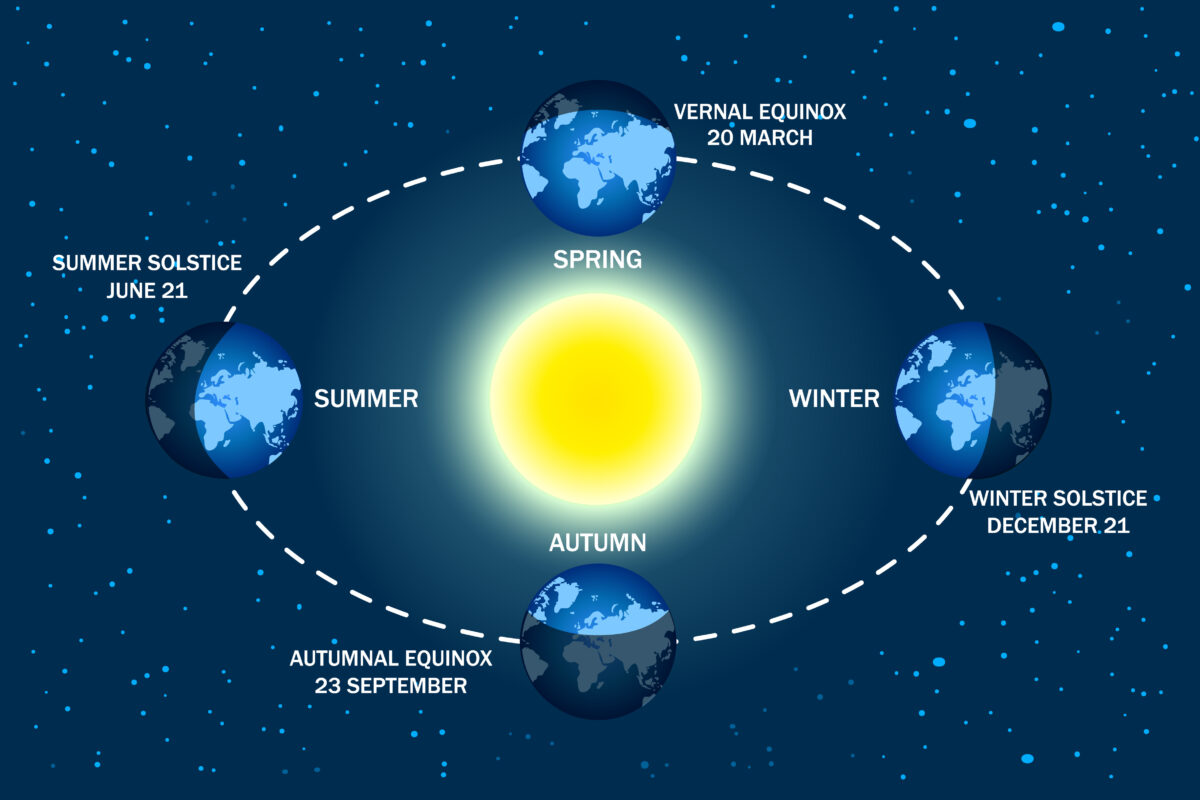
Here’s a fun fact for your holiday dinner topics! The term “solstice” is derived from the Latin words sol (sun) and sistere (to stand still). On this day, the Sun appears to pause in its journey across the sky, reaching its southernmost point before reversing direction. This happens because the Earth is tilted on its axis by approximately 23.5 degrees relative to its orbit around the Sun. What does that mean exactly? During the winter solstice, the Northern Hemisphere is tilted away from the Sun, resulting in reduced sunlight, shorter days, and colder temperatures. On the other end of the Earth, the Southern Hemisphere experiences its summer solstice at the same time, enjoying the longest day and shortest night of the year.
From an astronomical perspective, the winter solstice is a turning point. Following this day, the Sun begins its gradual climb back toward the celestial equator, leading to longer days and shorter nights for all of us in the Northern Hemisphere. For ancient civilizations, this cyclical phenomenon held profound implications for survival, agriculture, and was a defining symbol of their spiritual beliefs.
Ancient Celebrations and Traditions
Long before the discoveries of modern science, early societies recognized the significance of the winter solstice and celebrated it as a time of renewal and hope. Many cultures developed intricate ceremonies and monuments to honor the Sun and mark the occasion. You have probably heard of a few of these infamous structures. Did you know they were made to honor the solstice?
One of the most famous examples is Stonehenge in England. This prehistoric monument is aligned with the solstices, and archaeologists believe it may have been used to track the Sun’s movements. On the winter solstice, the Sun sets in perfect alignment with the central axis of the stones! For historians, this is absolutely incredible. This perfect alignment tells us that ancient people likely gathered here to celebrate the return of longer days and to marvel at this annual occurrence.
In ancient Rome, the festival of Saturnalia took place at the same time as the winter solstice. Dedicated to Saturn, the god of agriculture, this week-long celebration featured feasting, gift-giving, and a temporary (and rare) blend of social hierarchies. Homes were decorated with greenery, and candles were lit to symbolize the enduring light of the Sun. The symbolism of the greenery in this festival calls back to the history of wreaths, which originated from the celebration of evergreens.
Similar to these ancient traditions, the ancient Norse celebrated Yule, a festival that revolved around the rebirth of the Sun. Yule traditions included lighting fires, feasting, and burning the Yule log, a custom that has influenced modern Christmas celebrations. For the Norse, the solstice represented a victory of light over darkness, a theme that our societies resonate deeply with even today.
Spiritual and Symbolic Meanings
The winter solstice has always been interpreted as a time of reflection and spiritual renewal across cultures. In many traditions, it symbolizes the cycle of death and rebirth, a concept echoed in the natural world as the darkness of winter gives way to the light of spring.
For ancient cultures who were entirely dependent on the seasons for survival, the solstice was a time to honor their almighty force nature and express gratitude for the promise of longer days. As we know, most ancient civilizations interpreted different elements of weather, nature, and space as Gods, and this solstice was always a very meaningful and monumental moment.

Even in modern times, the solstice continues to inspire spiritual practices and rituals. Many people observe it as a time to set intentions for the coming year, release old patterns, and embrace new beginnings, even more so than during New Year’s Eve. The solstice invites us to pause, reflect, and find balance—qualities that are especially valuable in the fast-paced world we live in.
Winter Solstice Across the Globe
Different cultures have interpreted and celebrated the winter solstice in unique ways, often blending their astronomical observations with their local customs and beliefs. Let’s take a deeper look into how this day is being celebrated all around us!

China: Dongzhi Festival
In China, the winter solstice is celebrated as Dongzhi, meaning “Winter’s Arrival.” This festival comes from the ancient principles of yin and yang, and it marks the moment when the balance of dark and light begins to shift. Families gather to enjoy traditional foods such as tangyuan (glutinous rice balls) and dumplings.
Japan: Tōji
In Japan, the solstice is known as Tōji and is associated with practices aimed at ensuring health and prosperity. Many people will traditionally take yuzu baths, soaking in hot water with the aromatic citrus fruit to ward off illness and promote relaxation. Foods like kabocha squash are also eaten to strengthen the body for the cold months ahead.
Indigenous Traditions in the Americas
Indigenous peoples across the Americas have always honored the solstice with traditional ceremonies and rituals. For example, the Hopi of the Southwestern United States celebrate Soyal, a festival of purification and renewal. This includes prayer, dancing, and the creation of prayer sticks to bless the community.
India: Makar Sankranti
In India, the solstice is celebrated as Makar Sankranti, although the date typically falls in January due to historical differences in the solar calendar. This Hindu festival marks the Sun’s transition into the zodiac sign Capricorn, the beginning of longer days, and the beginning of the harvest season. Kite flying, feasting, and offerings to the Sun god are typical parts of the celebration.
The Winter Solstice in Modern Times
Today, the winter solstice is often observed as a time to reconnect with nature and cultivate mindfulness. Many communities host solstice festivals, featuring bonfires, music, and storytelling to honor the season’s themes of light and renewal.
In recent years, interest in the solstice has grown. This interest is largely driven by our shift towards natural cycles, mindfulness, and health. Activities such as meditating on the themes of darkness and light, journaling intentions, or simply taking a quiet walk under the stars have become popular ways to mark the occasion. These are all things you can do on your own to mark the newness of the coming days.
For some, the solstice is an opportunity to learn from ancient wisdom and integrate it into modern life. By acknowledging the rhythms of the Earth and the cosmos, we can find a deeper sense of grounding and purpose, even in the darkest days of winter. You may also find that reconnecting with the cycles of the Earth and our ancient history puts into perspective how small our seemingly large problems really are.
Lessons from the Solstice and our Longest Night
The winter solstice teaches us to embrace the cycles of nature and the inevitability of change. Just as the Earth tilts back toward the Sun after the solstice, we too can find renewal and growth in our own lives (and in our gardens)!
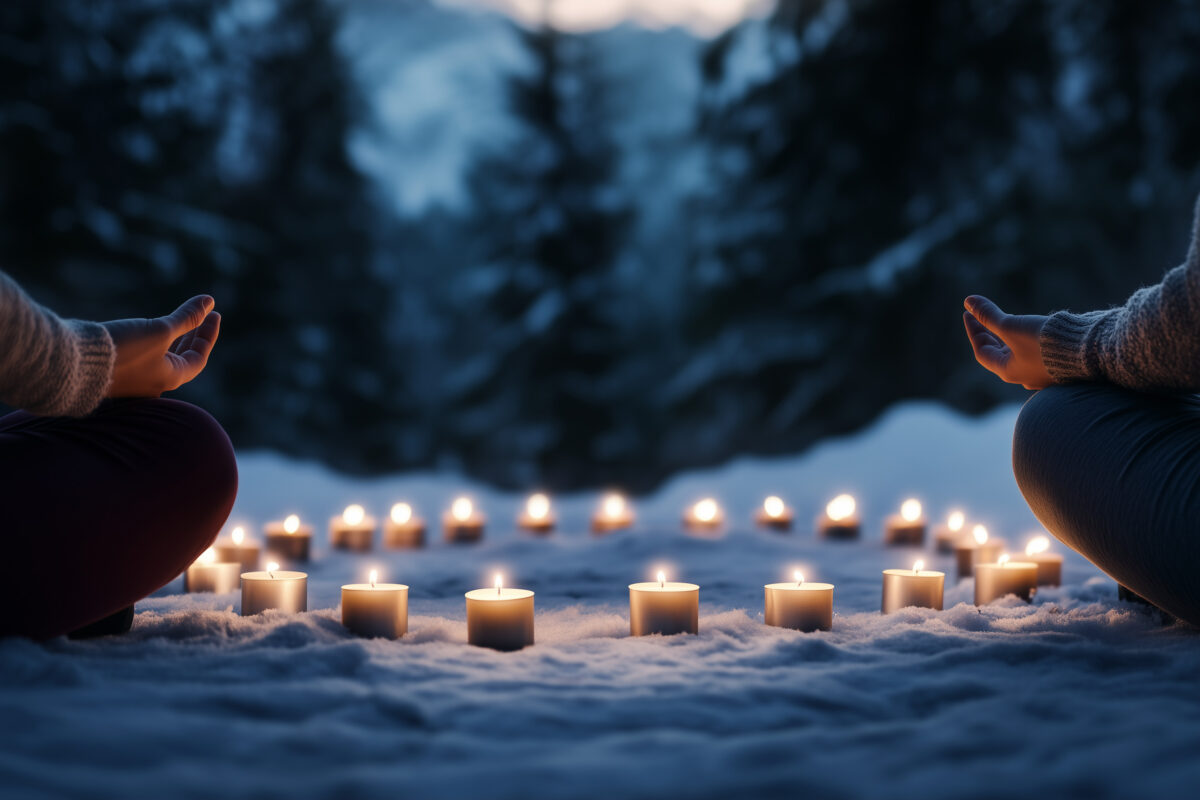
We encourage you to pause to celebrate the winter solstice, through ancient traditions, modern rituals, or quiet reflection. Keep in mind this truth: even in the depths of winter, the seeds of spring are already taking root. The solstice encourages us to find beauty in stillness, hope in darkness, and strength in the promise of brighter days ahead.
So this year, as the longest night unfolds, take a moment to pause and connect with the world around you. Light a candle, reflect on your journey, and celebrate the cycle of life. The winter solstice is not just an astrological event; it is an invitation to embrace the light within and around us, illuminating the path forward into a new season.