
As we move into 2025, gardening will continue to evolve. Our team at Agway is expecting to see gardening adapt to a combination of environmental concerns, technological advancements, and an increasing interest in wellness. Whether you’re an experienced gardener or a beginner, 2025 promises to bring exciting new trends and ideas to your garden space. From eco-friendly gardening practices to high-tech solutions and aesthetic updates, the garden of the future is a blend of nature and innovation. Keep reading as we explore the top garden trends and offer tips to help you stay ahead of the curve this year.

1. Sustainability Moves to the Forefront
Sustainability is no longer just a buzzword; it is now a core principle in gardening, becoming more critical than ever. As climate change impacts continue to be felt across the globe, gardeners are shifting their focus toward eco-friendly practices that promote conservation, reduce waste, and increase biodiversity.
Tips for Sustainable Gardening:
- Water Conservation: One of the most pressing issues in gardening today is water usage. In 2025, many gardeners are turning to water-saving technologies, such as drip irrigation systems and rainwater harvesting setups. These types of systems help conserve water while ensuring your plants get the moisture they need.
- Native Planting: Native plants are hardy, drought-tolerant, and support local wildlife. Opting for plants that are indigenous to your region can reduce the need for fertilizers, pesticides, and excessive watering. They also attract pollinators, which are crucial for maintaining biodiversity.
- Composting and Mulching: Composting is an effective and easy way to reduce garden waste and improve soil health. Composting bins are becoming more user-friendly, with some even featuring smart sensors to help you monitor the process. Combine your compost with mulching to retain moisture in the soil, suppress weeds, and add nutrients to your garden.
2. Tech-Driven Gardens: Smart Gardening Solutions
Technology has already begun transforming how we garden, and in 2025, the trend is only set to expand! From smart irrigation systems to AI-powered gardening assistants, technology can help gardeners anywhere achieve higher efficiency, reduce their environmental footprint, and make gardening easier.
Tech Tips for Smart Gardening:
- Smart Irrigation Systems: These systems use sensors to monitor soil moisture levels and weather forecasts, adjusting watering schedules automatically. They’re a great way to save water and ensure your plants receive just the right amount!

- Plant Health Monitors: Technology is making it easier to track the health of your plants. Devices such as soil sensors and smartphone apps can alert you to issues like low pH levels, nutrient deficiencies, or the presence of pests, allowing you to address problems before they get out of hand.
- Automated Gardening Tools: Robotic lawnmowers and automated planters are taking over and improving some of the more tedious tasks in the garden. These tools can save you time and effort, giving you more free time to enjoy the beauty of your garden rather than tending to it constantly.
3. Wellness Gardens: A Focus on Mental Health and Relaxation
The connection between gardening and mental health is well-documented. In 2025, many people are planning to design their gardens with wellness in mind, creating spaces where they can unwind, meditate, and reconnect with nature. A wellness garden can improve not only physical health but emotional well-being too.

Zen Garden in Japan
Tips for Creating a Wellness Garden:
- Zen Gardens: Inspired by Japanese traditions, Zen gardens focus on creating a peaceful, meditative space. Simple natural elements like rocks, gravel, and water features can help create a calming atmosphere. Adding plants such as bamboo or moss can further enhance the peaceful look and feel.
- Healing Plants: Make your garden your wellness center! Consider incorporating medicinal herbs and plants known for their healing properties, such as lavender, chamomile, and echinacea. These plants can be used in teas, oils, or simply enjoyed for their calming aromas.
- Outdoor Spaces for Meditation and Yoga: If you have the space, design an area specifically for relaxation and mindfulness practices. Comfortable seating, soft lighting, and a peaceful water feature can make a world of difference when creating a space to unwind.
- Biophilic Design: Biophilic design, which incorporates natural elements into interior and exterior spaces, is gaining popularity in 2025. Bringing nature into the design of your garden with elements like living walls or natural stone pathways can enhance your connection to the outdoors.
4. Edible Gardens: Growing Your Own Food
The trend of growing your own food is not only about self-sufficiency but also about the enjoyment that comes from harvesting your own produce. In 2025, we expect more gardeners to turn their backyards into mini farms, growing everything from vegetables to fruits and herbs. After all, there’s nothing better than picking your own fresh basil from your garden in the summer.
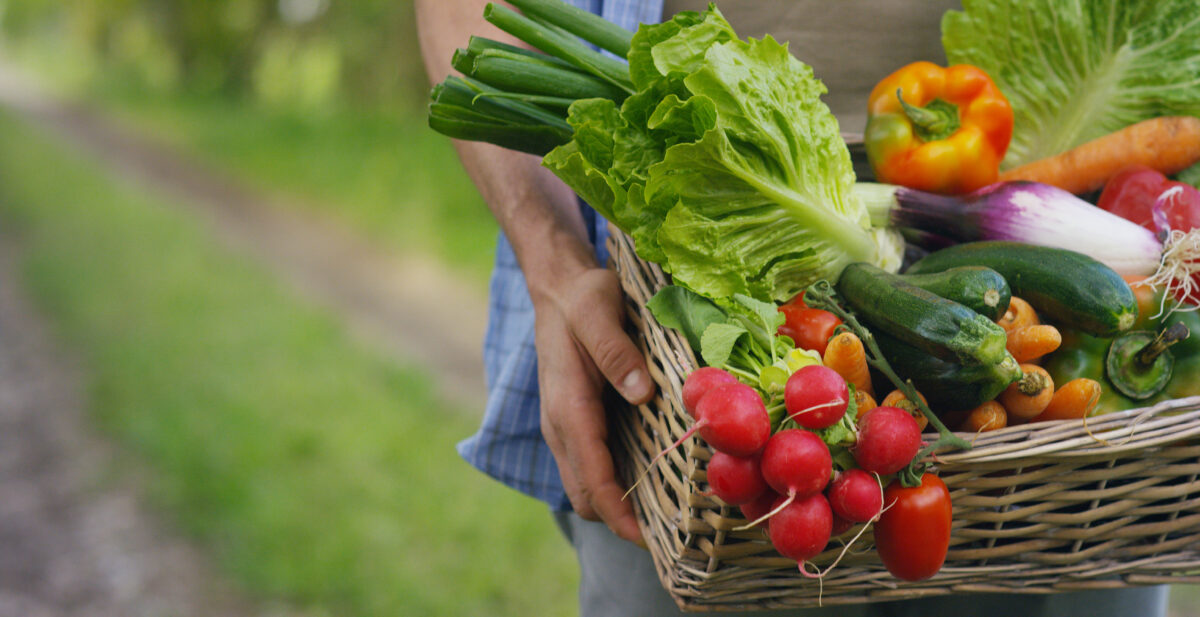
Tips for Growing Your Own Food:
- Vertical Gardens: With space at a premium in many urban areas, vertical gardening is an excellent way to maximize your growing potential. You can create vertical vegetable gardens using wall-mounted planters, towers, or hanging baskets, ideal for growing everything from tomatoes to strawberries.
- Hydroponics and Aquaponics: These soil-free gardening methods are gaining popularity for indoor and urban gardening. Hydroponics uses water-based solutions, while aquaponics combines fish farming with plant cultivation, creating a self-sustaining system. Both methods are efficient and perfect for year-round food production.
- Community Gardens: If you lack space but want to grow your own food, community gardens are becoming more common in urban areas. These shared spaces allow multiple people to plant, maintain, and harvest crops, helping to foster a sense of community while promoting sustainability.
5. Outdoor Living: Expanding Your Living Space
Outdoor living is becoming as important as indoor living and we expect to see this trend only continue to rise in the new year. As more people embrace work-from-home setups and spend more time at home, gardens are transforming into extensions of the living space. Outdoor kitchens, lounge areas, and fire pits are becoming integral parts of garden design.
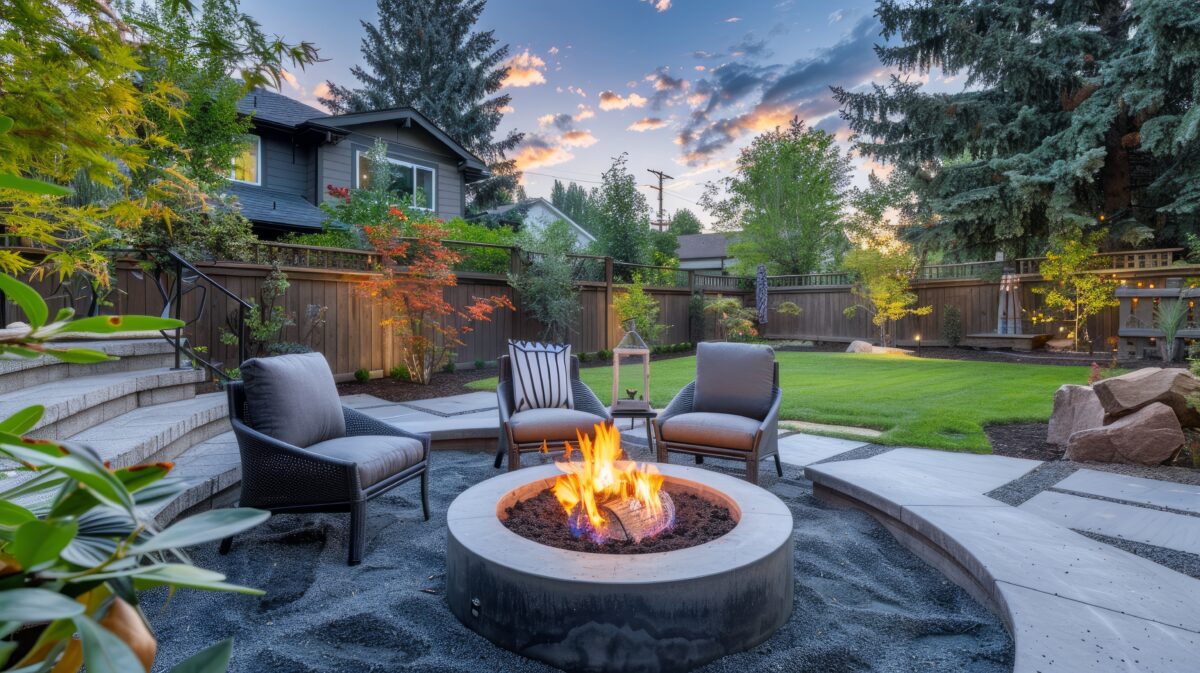
Tips for Expanding Outdoor Living:
- Outdoor Kitchens: Create a fully functional kitchen outdoors, complete with a grill, sink, and prep space. This allows you to entertain in the garden and make cooking an enjoyable and interactive part of your outdoor experience.
- Fire Pits and Heaters: Fire pits provide warmth and a cozy atmosphere for evening gatherings. They also extend the usability of your outdoor space during cooler months, allowing you to enjoy the garden year-round.
- Comfortable Seating Areas: Think of your garden as an extension of your home. Invest in comfortable, durable outdoor furniture that encourages relaxation and socializing. Be sure to only purchase weather-resistant cushions, cozy throws, and outdoor rugs to create a welcoming and durable space.
6. Biodiversity and Wildlife Gardens
In response to growing environmental issues, more gardeners are focusing on creating spaces that support local wildlife. By incorporating native plants and providing food, shelter, and water, you can create a sanctuary for birds, insects, and other animals.
Tips for Supporting Wildlife:
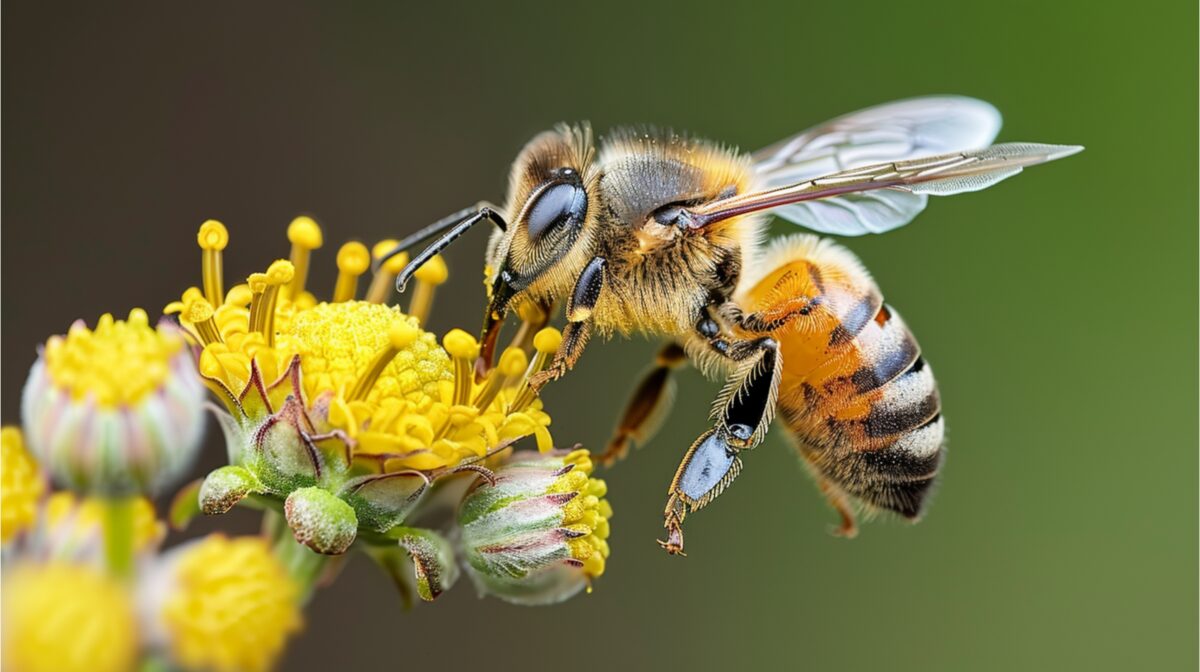
- Pollinator-Friendly Plants: Bees, butterflies, and other pollinators are absolutely essential for maintaining a healthy ecosystem. By planting nectar-rich flowers such as sunflowers, lavender, and coneflowers, you can attract pollinators to your garden and help maintain biodiversity. It’s always a great feeling to know that your garden is supporting the surrounding ecosystem.
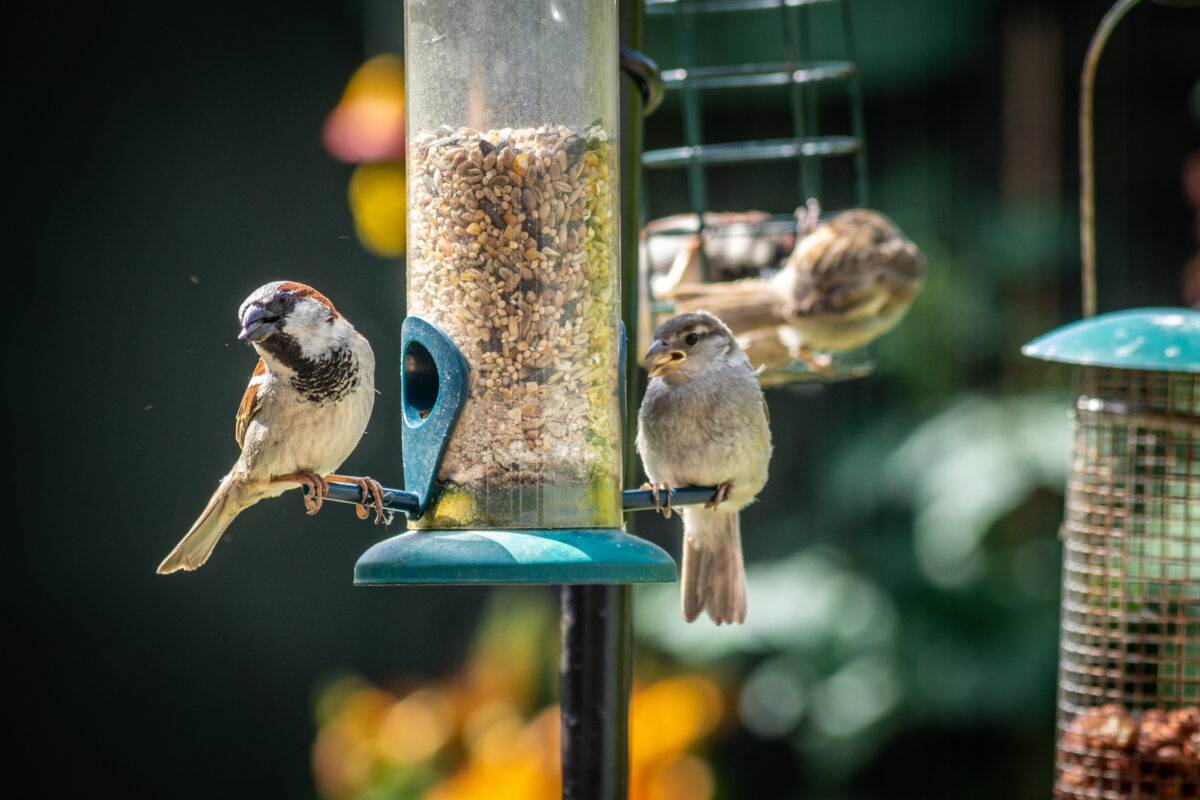
- Bird Habitats: Incorporate birdbaths, birdhouses, and native shrubs to attract and support local bird species. Consider adding a bird feeder stocked with seeds to provide year-round food for all types of birds who may find themselves in your garden.
- Insect Hotels: Insect hotels are becoming a popular way to encourage beneficial insects like bees, ladybugs, and butterflies into your garden. These structures provide shelter for insects during colder months and help them thrive.
2025 Garden Trends and Tips
The garden trends of 2025 reflect a growing desire for sustainability, innovation, and personal well-being. As we face environmental challenges, gardening provides a way to reconnect with nature while adopting practices that support a more sustainable future. Whether through smart technology, wellness-focused designs, or a commitment to growing our own food, the garden of the future is a dynamic and adaptive space.
By staying informed about new trends and applying these tips, you can create a garden that is not only beautiful and functional but also helps protect the planet for generations to come.
Take your garden to the next level with Agway! Come visit any of our locations and talk to a team member. We are excited to help you crush your gardening goals in the new year.