
If you’ve attended Priscilla’s Garden Talks, you may have recently learned the importance of protecting birds in Cape Cod. Our diverse landscape is known for its rich biodiversity, including various bird species that make their homes in our forests, beaches, and marshes. However, bird populations face significant threats due to habitat loss, pesticide use, and pollution threats.

We’re calling on our Cape Cod locals to help protect these lovely creatures right from your own yard! With the help of Priscilla, we’ve listed five actionable tips below for creating a bird-friendly environment, which will help keep these feathered friends safe and thriving.
Grow Native Plants
One of the most effective ways to support our local bird populations is by planting vegetation that is native to Cape Cod. Native plants provide essential resources, such as specific types of food and shelter that our local birds rely on. They also attract insects, which are crucial food sources for many bird species, especially during breeding season. When you plant species that are naturally found in Cape Cod, you’re helping to recreate the habitats that birds in our area have relied on for centuries.
Native Plants That Benefit Birds in Cape Cod
Eastern Red Cedar
This evergreen offers year-round shelter and produces berries that attract cedar waxwings and other birds.

Beach Plum
In the spring, its flowers attract pollinators, and by late summer, it produces small fruits that are a food source for birds.
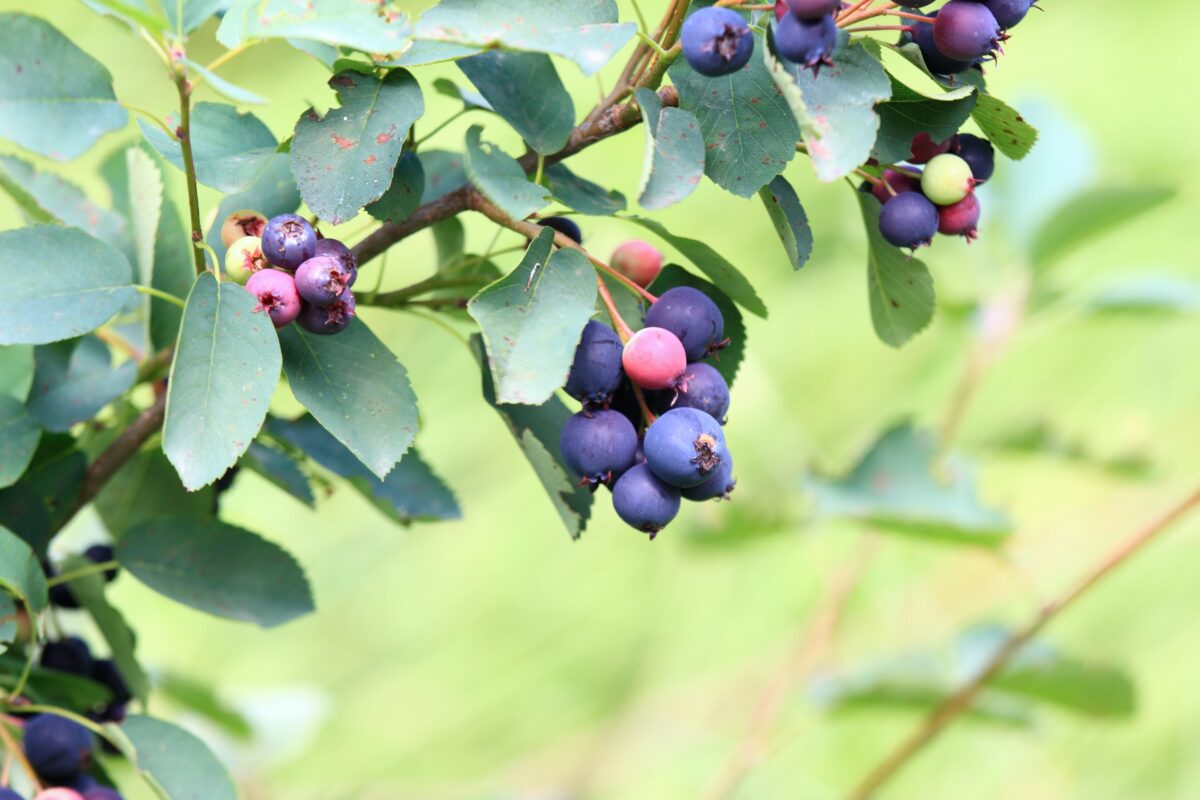
Serviceberry
This small tree provides nectar in the spring, berries in summer, and places for birds to perch and nest.
Switchgrass
This native grass provides seeds for birds to eat, as well as cover from predators.
Avoid using non-native plants in your garden if you can. Invasive species can disrupt the natural balance of the ecosystem, and they often do not provide the same nutritional value to local birds. When choosing plants, always look for varieties that are local to Cape Cod’s ecosystem. If you’re not sure, our team at Agway is always happy to help!
Avoid Pesticide Use
Pesticides are harmful to birds (and a lot of other things) in multiple ways. Direct exposure to pesticides can poison birds, and these chemicals also reduce the availability of insects that birds need for food. Birds that eat contaminated insects may become sick, while insect-eating birds that rely on insect abundance during the breeding season may struggle if pesticides have reduced insect numbers.
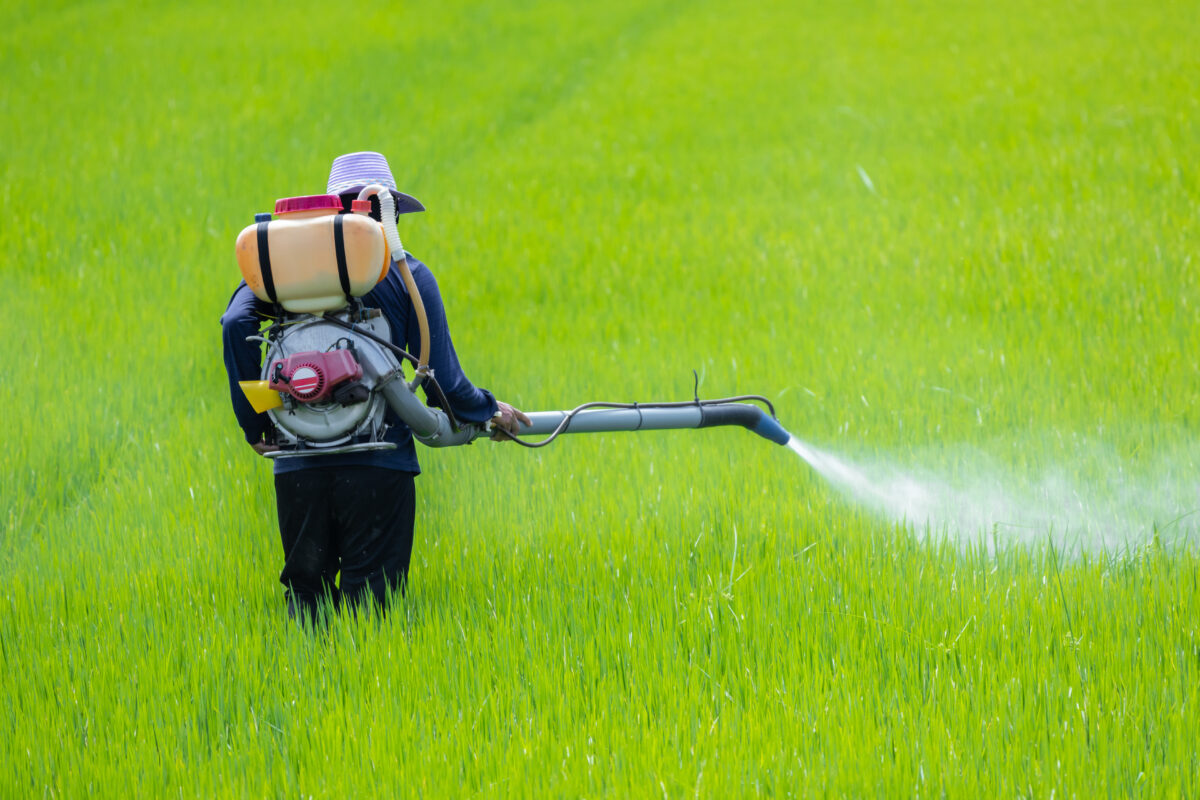
It’s important to keep in mind that nature was always self sustaining before we came in with these harmful pesticides! There are natural alternatives to chemical pesticides:
1. Encourage natural predators: Birds, ladybugs, and other insects can help control pest populations naturally.
2. Use organic mulch: Organic mulches help retain moisture, suppress weeds, and, over time, support a diverse soil ecosystem that naturally keeps pests in check.
3. Neem oil and insecticidal soaps: These natural solutions can control pests without causing harm to birds. However, use them sparingly and follow instructions carefully to avoid any unintended consequences.
4. Companion planting: Certain plants, like marigolds, can repel pests from other plants, reducing the need for pesticides.
When you avoid pesticides, you create a healthier environment for the birds of Cape Cod and contribute to the natural balance that keeps our ecosystems thriving.
Leave Standing Dead Trees
Standing dead trees, or “snags,” are vital resources for many bird species. They provide nesting sites, perching spots, and a source of food. In Cape Cod, birds like woodpeckers, owls, and nuthatches rely on these trees to meet their habitat needs. Insects and fungi that decompose these dead trees also serve as a food source for various bird species.

If you have a dead tree in your yard and it doesn’t pose a safety risk, consider leaving it in place. Here’s why standing dead trees are so valuable:
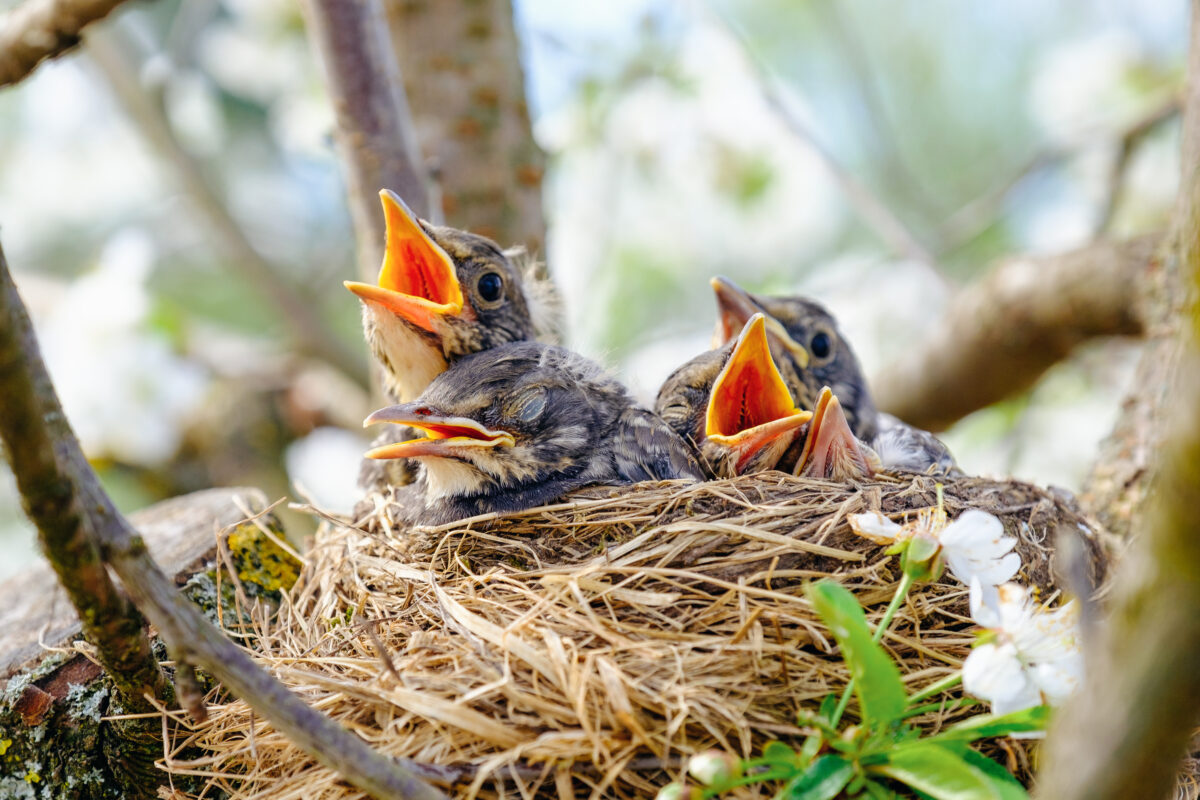
1. Nesting sites: Woodpeckers and other cavity-nesting birds often excavate their nests in dead trees. When they abandon these nests, other birds, like bluebirds and chickadees, move in.
2. Perching spots: Birds use dead branches as lookouts to watch for predators or search for prey.
3. Feeding grounds: Insects, such as beetles and ants, that inhabit dead wood are a critical food source for insectivorous birds.
Of course, safety is a priority, so if a dead tree is close to your house or in a high-traffic area, there may be a reason to get rid of it. In some cases, you might be able to safely remove portions of the tree while leaving parts that can still benefit birds.
Don’t Cut Your Oaks!
Oaks are keystone species in Cape Cod, supporting a vast array of wildlife, including birds. They provide acorns, which are a significant food source for various bird species, including jays and woodpeckers. Moreover, oak trees can host hundreds of insect species, making them vital to the diets of insect-eating birds.
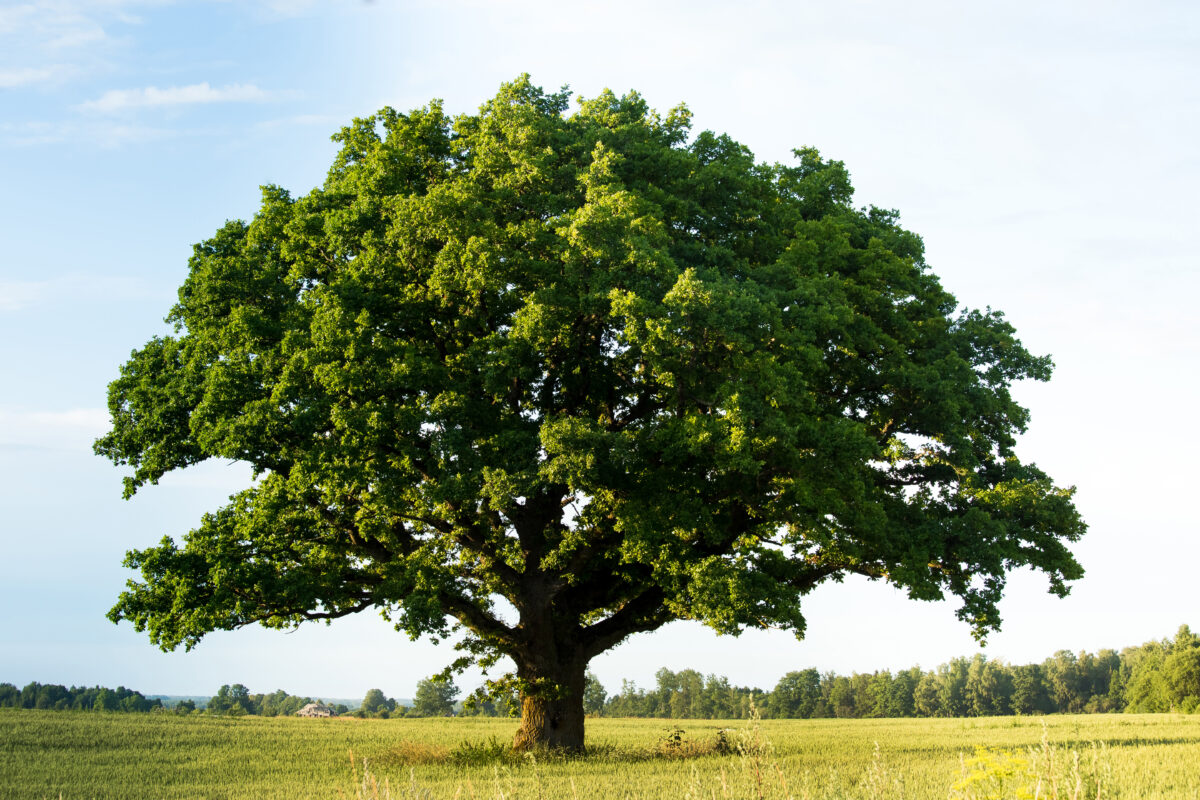
When you leave oaks intact, you support a complex food web that is needed to support our native birds. Here are a few ways oaks benefit local birds:
Food Supply
Acorns are high in nutrients and attract not only birds but also mammals, like squirrels, that play a role in the ecosystem.
Insect Habitat
Oak trees support a diverse insect community, from caterpillars to beetles, providing a food supply for birds.
Shelter and Nesting Sites
Oaks have large canopies that provide nesting spaces and shelter from predators.
If you have oak trees on your property, let them grow naturally and avoid pruning during the nesting season. Mature oaks are particularly valuable, as they provide consistent resources year after year, benefiting bird populations for generations. Let these trees flourish as they would without the human touch and see what becomes of them!
Reduce Your Contribution to Light Pollution

Light pollution is an often-overlooked threat to birds, especially migratory species that rely on the night sky for navigation. Artificial lights can disorient birds, causing them to collide with buildings or stray from their migratory paths. Cape Cod’s location along the Atlantic Flyway makes it an important stopover for migratory birds, and reducing light pollution can make their journey safer.
Ways to Reduce Light Pollution
Use motion sensors! Rather than leaving outdoor lights on all night, install motion sensors so lights only turn on when needed.
When selecting your outdoor lights, opt for downward-facing lights. Choose fixtures that direct light downwards rather than into the sky. This helps reduce glare and prevents light from disrupting birds in flight.
We recommend using lower-intensity bulbs. Swap out bright, high-intensity lights for lower-wattage options, and consider using amber or red-tinted lights, which are less disruptive to birds.
Turn off any unnecessary lights. During peak migration seasons (spring and fall), turn off outdoor lights as much as possible. This simple action can have a big impact on reducing disorientation and fatalities among migrating birds.
Cape Cod is home to various migratory species, and small changes in our lighting habits can make a big difference in their survival.
Create an Environment for Native Birds
Birds are a vital part of Cape Cod’s natural landscape and ecosystem, contributing to the area’s biodiversity and ecological balance. By planting native species, avoiding pesticide use, leaving standing dead trees, preserving oaks, and reducing light pollution, you can help protect the bird populations that call Cape Cod home. Each of these actions plays a role in creating a habitat that supports the health and well-being of birds, ensuring they continue to thrive in this beautiful region.
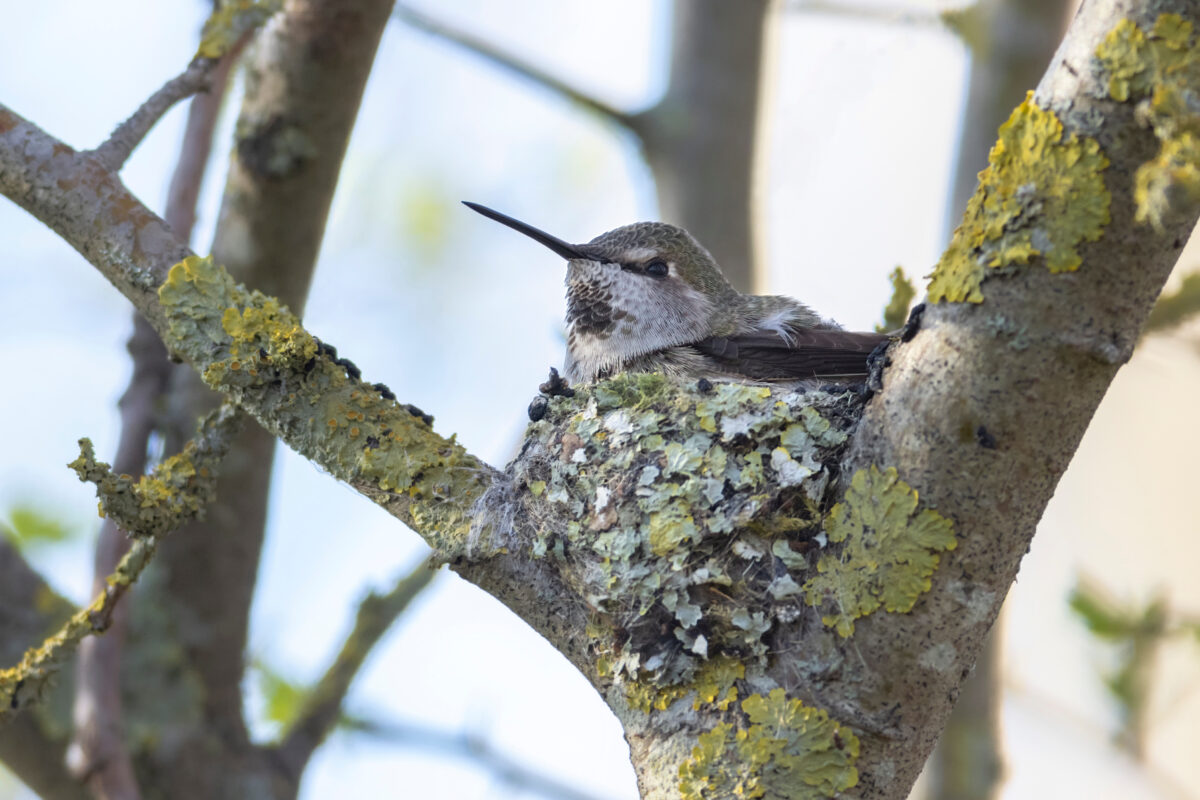
Hummingbird Nest
Your efforts may seem small, but collectively, they make a substantial difference. Every yard has the potential to become a sanctuary for birds, and by implementing these practices, you’re joining our movement to help Cape Cod remain a haven for wildlife for years to come. Whether you’re a full-time resident, a seasonal visitor, or simply someone who loves the natural beauty of Cape Cod, thank you for taking steps to protect the birds that add so much to the character of this unique region! If you enjoyed this blog, don’t miss our next Garden Talk with Priscilla!