
Imagine enjoying fresh herbs, vibrant greens, and juicy tomatoes year-round, all without stepping foot outside your home. With in-home hydroponic systems, this dream becomes a reality. In honor of hydroponics recently arriving at Agway, let’s explore the world of in-home hydroponics, from the basics of setting up your plant to the benefits of growing your own produce indoors.

Why Choose In-Home Hydroponics?
Hydroponic gardening offers a range of advantages that make it an appealing option for both new and experienced gardeners alike! When growing a plant in a hydroponic, the root remains exposed in the water tube. Once the roots gain their strength, you can either repot your plant in soil, or continue growing it in water.
Year-Round Growing
With in-home hydroponics, you can grow a wide variety of plants regardless of the season or climate outside. This means enjoying fresh, homegrown produce whenever you want, without being limited by external factors, like our frigid Cape Cod winters.
Space Efficiency
In-home hydroponic systems are designed to be compact and space-efficient, making them ideal for suburban homeowners or those with limited outdoor space. Whether you live in an apartment, condo, or house, you can set up a hydroponic garden virtually anywhere indoors.
Water Conservation
Hydroponic systems use significantly less water than traditional soil-based gardening, as water is recirculated and reused within the system. This makes them an environmentally friendly option for conscientious gardeners looking to reduce their water footprint.
Control Over Growing Conditions
In-home hydroponic systems allow you to have complete control over growing conditions such as light, temperature, humidity, and nutrient levels. This level of control enables you to optimize plant growth and productivity, resulting in healthier, more abundant crops.
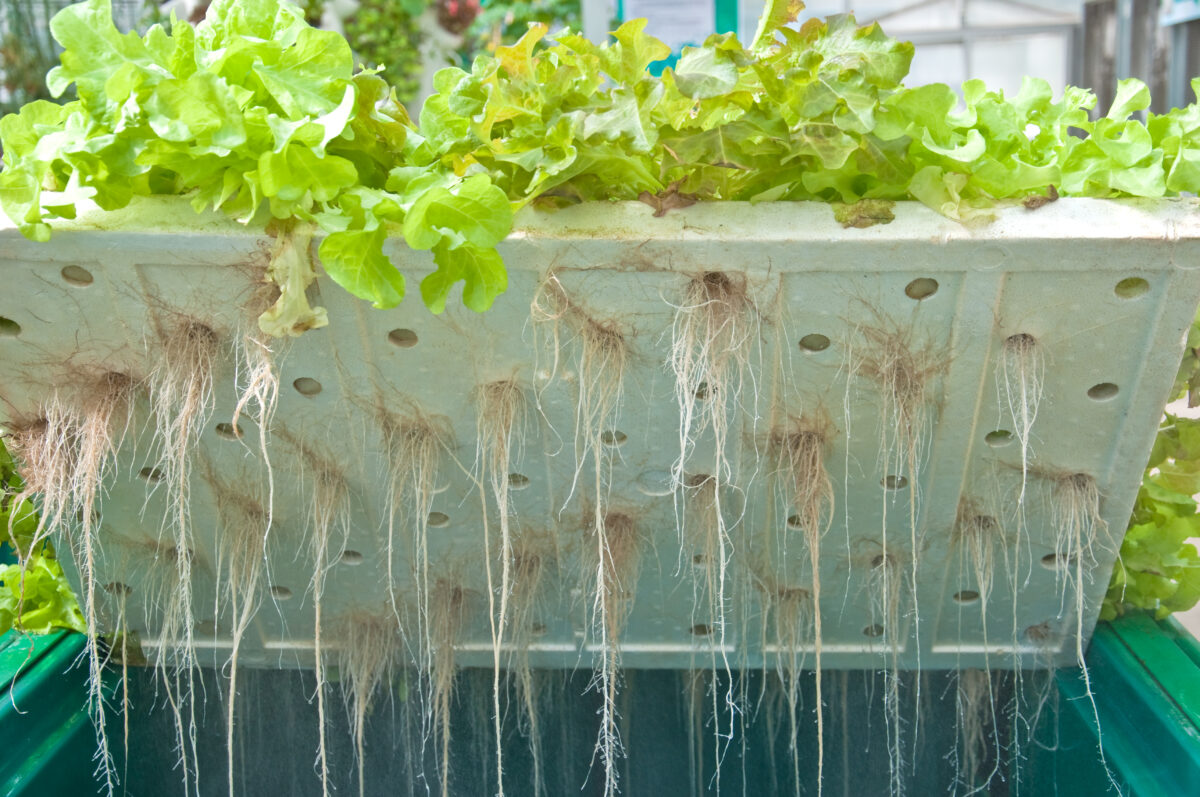
Roots of Hydroponic Vegetables
Which Plants Can be Grown as Hydroponics?
A wide variety of plants can be grown using hydroponic systems, ranging from leafy greens and herbs to fruits, vegetables, and even flowers. Here are some examples of plants commonly grown hydroponically.
- Leafy Greens
- Herbs
- Compact Vegetables
- Strawberries
- Flowers
- Root Vegetables (with modifications)
- Fruits (in larger, more advanced systems)
These are just a few examples, and the list is by no means exhaustive. In general, plants that have shallow root systems, compact growth habits, and high water requirements tend to perform well in hydroponic systems. Certain plants may require specific environmental conditions or nutrient formulations to thrive hydroponically, so it’s essential to research the specific needs of each plant variety before cultivation.
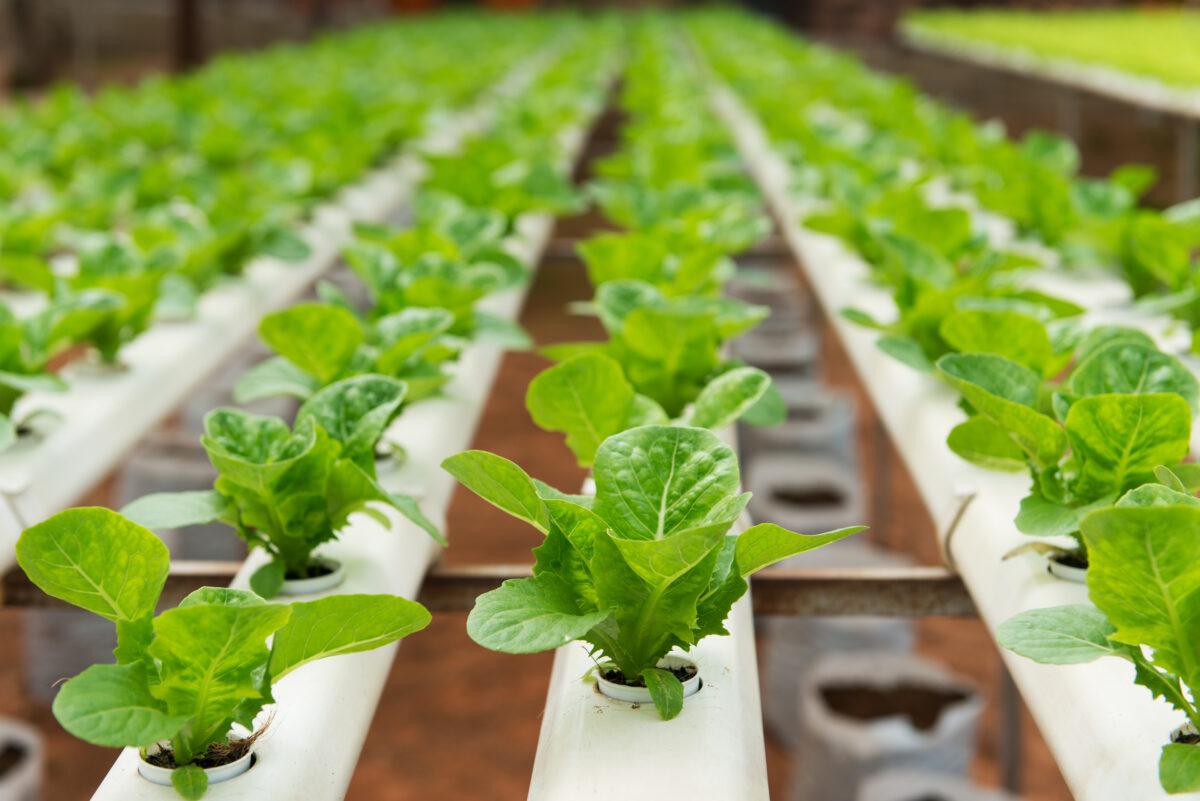
Benefits of In-Home Hydroponics
Fresher, Healthier Produce
By growing your own produce at home, you can harvest it at its peak freshness, ensuring maximum flavor and nutritional value. You’ll also have peace of mind knowing exactly where your food comes from and how it was grown.
Stress Relief and Therapeutic Benefits
Many people, including our team at Agway, find gardening to be a therapeutic and stress-relieving activity. In-home hydroponic gardening is no exception! Tending to your plants, watching them grow, and harvesting your own food can be incredibly rewarding and satisfying.
Educational Opportunities
In-home hydroponic gardening provides a hands-on learning experience for individuals of all ages. Children, in particular, can benefit from seeing firsthand how plants grow and learning about the importance of sustainable food production. Think of it as a real-life science experiment in your home. You’ll enjoy watching these plants come to life just as much as your kids.
Aesthetics and Decor
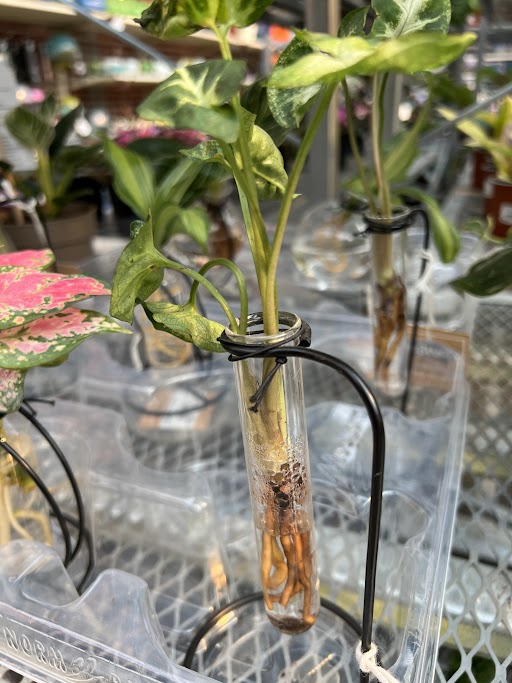
From Our Selection at Agway
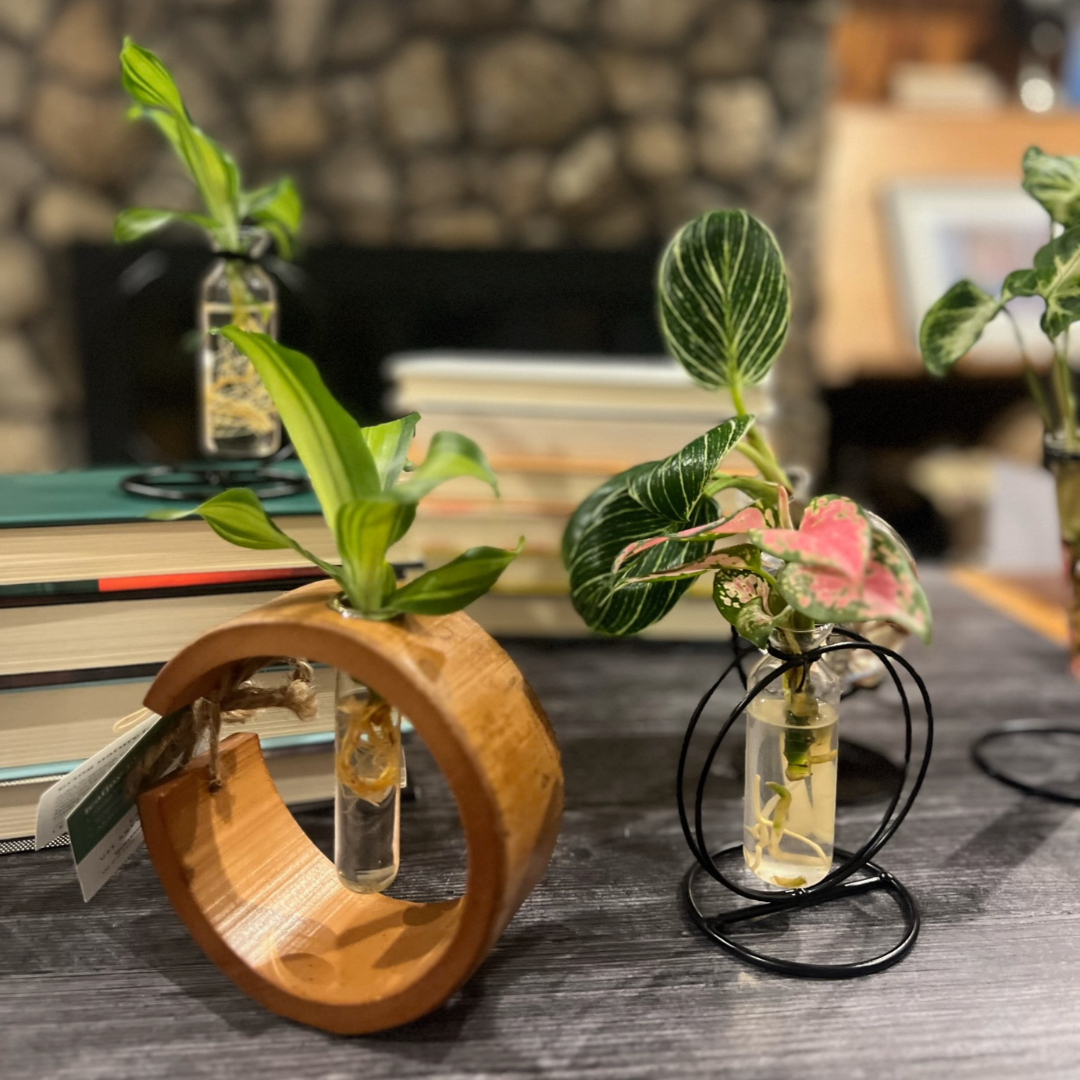
Last but definitely not least, hydroponics show the root of the plant on display, which is a work of art in itself. In addition to providing fresh produce, in-home hydroponic gardens can also enhance the aesthetic appeal of your living space. With sleek, modern designs and lush greenery, hydroponic systems can serve as stylish decor elements in any home.
Tips for Success
To ensure the success of your in-home hydroponic garden, consider the following tips:
Start Small
If you’re new to hydroponic gardening, start with a few easy-to-grow plants to get the hang of it before expanding your operation.
Pay Attention to Lighting
Adequate lighting is crucial for plant growth in hydroponic systems. If natural light is insufficient, consider supplementing with artificial grow lights to ensure your plants receive the light they need to thrive.
Keep Nutrient Levels Balanced
Regularly monitor nutrient levels and pH levels in your hydroponic system and adjust them as needed to maintain optimal plant health. Avoid overfeeding or underfeeding your plants, as this can lead to nutrient deficiencies or toxicity.
Practice Good Hygiene
Cleanliness is essential in hydroponic gardening to prevent the buildup of algae, bacteria, and other pathogens that can harm your plants. Regularly clean and sanitize your system components to ensure a healthy growing environment.
Let’s Get Started!
In-home hydroponic gardening offers a convenient, sustainable, and rewarding way to grow your own fresh produce indoors. Whether you’re a seasoned gardener looking to expand your horizons or a novice eager to try your hand at gardening for the first time, in-home hydroponics provides a wealth of opportunities for experimentation, learning, and enjoyment. With the right knowledge, tools, and enthusiasm, you can create a thriving indoor garden that yields delicious, nutritious crops year-round.
Come visit us at any of our Agway locations! We are more than happy to walk you through our hydroponic selection and answer any questions you may have about this innovative gardening solution.