
Each June, World Oceans Month provides a global platform to celebrate and raise awareness about the oceans’ vital role in our lives. Covering more than 70% of the Earth’s surface, oceans are absolutely vital to our planet’s health, climate regulation, and biodiversity. They provide food, recreation, transportation, and even the oxygen we breathe. This month-long observance encourages people to appreciate, explore, and protect our oceans. This isn’t a hard thing to do while living on the Cape!
Our beautiful and world-famous hook-shaped peninsula is known for its stunning natural beauty, rich marine life, and vibrant maritime culture. Cape Cod exemplifies the intricate relationship between humans and the ocean that we get to experience and soak up every day.

Cape Cod: A Historical and Ecological Marvel
Our history on Cape Cod is deeply intertwined with the sea. From the early Native American tribes who thrived on its seemingly endless marine resources to the European settlers who established it as a fishing and whaling hub, the ocean has always been central to life on Cape Cod. Today, as we have all seen, the Cape is a popular destination for tourists, drawn by our scenic beaches, charming villages, and maritime heritage.
Ecologically, Cape Cod is a treasure trove of biodiversity. Its waters are home to a variety of marine species, including seals, dolphins, and the iconic North Atlantic Right Whale. The Cape Cod National Seashore, a protected area established in 1961, encompasses over 43,000 acres of dunes, beaches, and uplands, providing critical habitats for numerous species.

North Atlantic Right Whale
The Significance of World Oceans Month
World Oceans Month, spearheaded by the United Nations and various environmental organizations, aims to highlight the challenges facing our oceans and promote sustainable solutions. This year’s theme, “The Ocean: Life and Livelihoods,” underscores the ocean’s role in sustaining all forms of life and supporting countless human livelihoods.
Throughout June, various activities and events are organized globally to educate and engage people in ocean conservation. These events include beach cleanups, educational programs, policy advocacy, and scientific research initiatives. For Cape Cod, World Oceans Month is an opportunity to spotlight its unique marine environment and inspire action to preserve it.
Cape Cod’s Marine Life: A Closer Look
Cape Cod’s waters are a haven for marine life. Our diverse ecosystems range from sandy beaches and salt marshes to estuaries and offshore waters. The diversity of the Cape supports a wide array of marine species, each playing a crucial role in the ecological balance. Have you seen any of these animals off our shores recently?

North Atlantic Right Whale
One of the most iconic and endangered species in Cape Cod’s waters is the North Atlantic Right Whale. These gentle giants migrate to Cape Cod Bay each spring to feed on zooplankton. With a population of fewer than 400 individuals, conservation efforts are critical to their survival. Organizations like the Center for Coastal Studies in Provincetown are dedicated to monitoring and protecting these whales through research, rescue, and policy advocacy.
Gray and Harbor Seals
Seals are another common sight in Cape Cod’s waters. Gray and harbor seals can often be seen lounging on sandbars or swimming near the shore. These playful and curious animals are a favorite among tourists, but they also play a crucial role in the marine ecosystem by regulating fish populations and contributing to the overall health of the ocean.
Sea Turtles
Cape Cod is a seasonal home to several species of sea turtles, including the endangered Kemp’s ridley and loggerhead turtles. These turtles often become cold-stunned in the fall when they fail to migrate south before water temperatures drop. Local organizations, such as Mass Audubon’s Wellfleet Bay Wildlife Sanctuary, conduct rescue operations to save these stranded turtles and rehabilitate them for release back into the ocean.
Fish and Shellfish
As we all know (and thoroughly enjoy!), our rich waters here on the Cape support a thriving fishing industry, with species like cod, haddock, flounder, and shellfish like clams, oysters, and scallops being harvested sustainably. The health of these fisheries is closely monitored to ensure that they remain productive and resilient for future generations.
Cape Cod National Seashore: World Oceans Month
The Cape Cod National Seashore stands as a testament to the importance of protecting natural habitats. This federally protected area, established by President John F. Kennedy in 1961, covers nearly 40 miles of pristine shoreline. The seashore’s management focuses on preserving its unique landscapes and ecosystems while providing opportunities for public enjoyment and education.

Salt Marsh Restoration
One of the key conservation efforts within the seashore is the restoration of salt marshes. These vital habitats serve as nurseries for many marine species, filter pollutants from the water, and act as buffers against storm surges. Projects like the Herring River Restoration aim to return these ecosystems to their natural state, improving water quality and biodiversity.
Dune Stabilization
The dynamic dune systems of Cape Cod are another focus of conservation. These dunes provide critical habitats for plants and animals and protect inland areas from coastal erosion. Efforts to stabilize and restore dunes include planting native vegetation, controlling invasive species, and managing human activities to minimize impact.
Education and Outreach
The Cape Cod National Seashore also plays a crucial role in educating the public about the importance of ocean conservation. Through visitor centers, ranger-led programs, and interpretive exhibits, visitors can learn about the unique natural and cultural history of the Cape and the importance of preserving it for future generations.
Community Engagement and Advocacy
Cape Cod’s commitment to ocean conservation extends beyond its protected areas. Local communities, organizations, and individuals are actively involved in efforts to protect and preserve the marine environment.
The Center for Coastal Studies
Based in Provincetown, the Center for Coastal Studies is a leading organization in marine research and conservation. Their work includes whale rescue and research, marine debris removal, and water quality monitoring. They also engage in public education and advocacy to promote sustainable practices and policies.
The Atlantic White Shark Conservancy
Cape Cod is known for its population of great white sharks, which has grown in recent years. The Atlantic White Shark Conservancy conducts research on these apex predators, aiming to understand their behavior and promote coexistence between sharks and humans. They also offer educational programs to raise awareness about shark conservation and safety.
Local Fishermen and Sustainable Practices
Cape Cod’s fishing community is deeply connected to the health of the ocean. Many of our local fishermen are adopting sustainable practices to ensure the long-term viability of their industry. This includes using selective fishing gear to reduce bycatch, participating in fisheries management plans, and supporting marine conservation efforts.
The Role of Tourism in Ocean Conservation
Tourism is a major economic driver for our economy here on the Cape, with millions of visitors flocking to our beaches, resorts, and natural attractions each year. While tourism provides economic benefits, it also presents challenges for our ocean conservation. Managing the impact of tourism is crucial to preserving Cape Cod’s natural beauty and ecological integrity.

Eco-Tourism Initiatives
Many businesses on Cape Cod are embracing eco-tourism principles, offering activities that promote environmental awareness and minimize ecological impact. Whale watching tours, guided nature walks, and eco-friendly accommodations are just a few examples of how tourism can support conservation efforts.
Beach Cleanups and Volunteer Opportunities
Community-driven initiatives like beach cleanups play a significant role in keeping our shores clean and healthy. Organizations often organize cleanup events, encouraging locals and tourists alike to participate. These efforts not only remove litter but also raise awareness about the importance of reducing marine debris.
Sustainable Practices for Visitors
Educating visitors about sustainable practices is essential for reducing their environmental footprint. Simple actions like disposing of trash properly, respecting wildlife, and using reef-safe sunscreen can make a significant difference in protecting Cape Cod’s marine ecosystems.
Challenges and Future Directions
Despite the many conservation successes, Cape Cod faces ongoing challenges that require continued attention and action.
Climate Change
Rising sea levels, warming ocean temperatures, and increased storm frequency pose significant threats to Cape Cod’s coastal communities and ecosystems. Adaptation and mitigation strategies are essential to address these impacts and protect the Cape’s natural and cultural heritage.
Marine Pollution
Plastic pollution, oil spills, and other contaminants continue to threaten marine life and water quality. Reducing pollution at its source, improving waste management practices, and raising awareness about the impacts of marine debris are critical steps in addressing this issue.
Balancing Development and Conservation
As our home of Cape Cod continues to attract residents and visitors, balancing development with conservation becomes increasingly important. Sustainable land use planning, habitat protection, and responsible tourism practices are essential to maintaining the Cape’s unique character and ecological health.
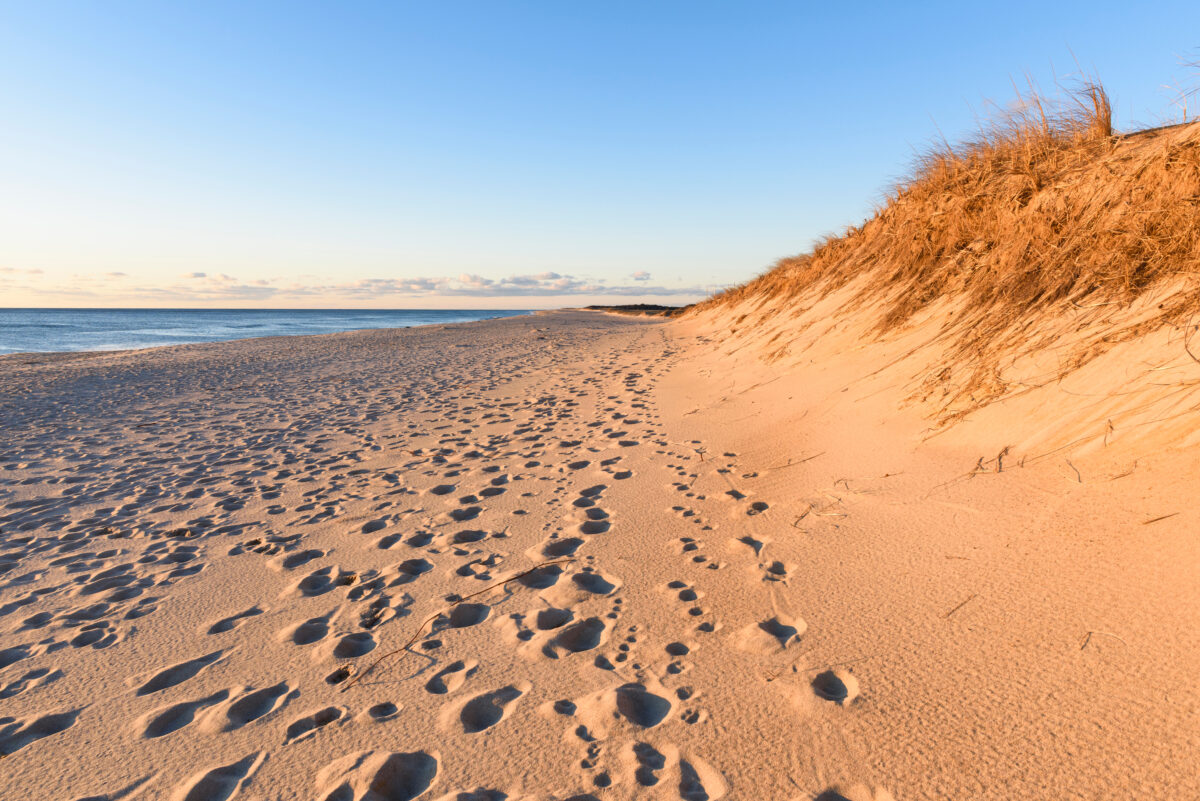
Reflecting During World Oceans Month
World Oceans Month is a time to reflect on the vital importance of our oceans and the need to protect them for future generations. Cape Cod, with its rich history, vibrant marine life, and committed community, offers a powerful example of how we can celebrate and conserve our oceanic heritage.
By engaging in conservation efforts, supporting sustainable practices, and fostering a deeper connection with the marine environment, we can ensure that Cape Cod—and our oceans—remain healthy and thriving for years to come. This June, let us all take a moment to appreciate the beauty and bounty of our oceans and commit to taking actions that will preserve them for the future!