
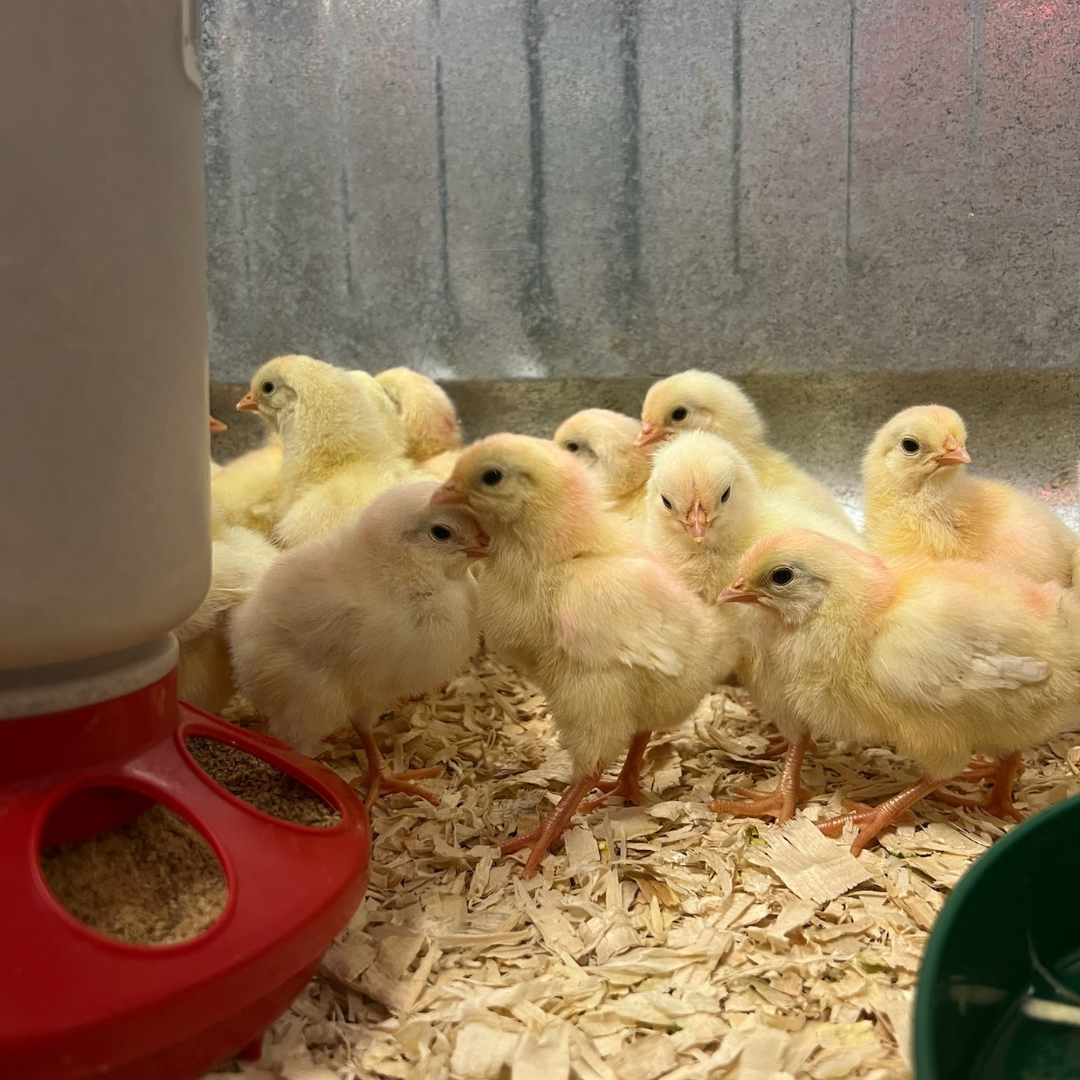
Welcoming fluffy, chirping chicks into your life is exciting, whether you’re starting a backyard flock or adding to an existing one. However, caring for these adorable bundles of feathers requires knowledge, preparation, and dedication. From providing warmth and nourishment to ensuring proper shelter and health care, every aspect of chick care contributes to their well-being and future productivity. In this comprehensive guide, we’ll walk you through the essential steps and tips for successfully raising chicks from hatchlings to happy, healthy chickens!
Chick Preparation
Before the chicks arrive, it’s crucial to have all the necessary supplies ready. Here’s a checklist to ensure you’re fully prepared:
1. Brooder
A safe, warm environment is essential for the chicks’ initial weeks. A brooder can be a stock tank, plastic tub, or specially designed brooder box.
2. Heat Source
Chicks require consistent warmth, especially during their first few weeks. A heat lamp or heating plate specifically designed for chicks will provide the necessary warmth.
3. Bedding Line
The bottom of the brooder with soft, absorbent bedding such as pine shavings or straw. Avoid using newspaper, as it can become slippery and cause leg problems.
4. Feeder and Waterer
Provide chick-sized feeders and waterers to ensure easy access to food and water. Clean water is particularly crucial for their health and hydration.
5. Starter Feed
Choose a high-quality chick starter feed formulated specifically for young chicks. This feed contains essential nutrients necessary for healthy growth and development.
6. Thermometer
Monitor the temperature inside the brooder using a thermometer to ensure it remains within the recommended range for chicks (95-100°F for the first week, decreasing by 5°F each week until reaching ambient temperature).
Once Your Chicks Have Arrived

Once the chicks arrive, it’s time to introduce them to their new home and start their care routine.
1. Warmth
Ensure the brooder is set up and heated to the appropriate temperature before placing the chicks inside. Observe their behavior to gauge if they’re comfortable – huddling under the heat source indicates they’re too cold, while avoiding it suggests they’re too warm.
2. Feeding and Watering
Offer fresh water and chick starter feed as soon as the chicks are settled. Dip their beaks gently in the water to encourage drinking. Check and refill both feed and water regularly to ensure they always have access.
3. Observation
Spend time observing the chicks regularly to monitor their behavior, health, and interactions. Healthy chicks should be active, alert, and eating and drinking regularly. Any signs of illness or distress should be addressed promptly.
4. Handling
While it’s tempting to handle and cuddle the chicks frequently, minimize handling during the first week to reduce stress. When handling is necessary, be gentle and support their bodies to avoid injury.
Growing Phase

As the chicks grow, they’ll require a handful of adjustments to their care and environment.
1. Temperature Regulation
Gradually reduce the heat source in the brooder as the chicks feather out and become more active. Monitor their behavior and adjust the temperature accordingly to prevent chilling or overheating.
2. Space
As the chicks outgrow the brooder, provide additional space to prevent overcrowding and encourage healthy development. A larger enclosure or outdoor pen can accommodate their growing needs.
3. Enrichment
Introduce perches, toys, and areas for scratching and dust bathing to stimulate natural behaviors and mental stimulation. Chicks thrive in environments that mimic their natural habitat.
4. Nutrition
Transition the chicks to a grower feed formulated for adolescent chickens around 6-8 weeks of age. This feed contains higher protein levels to support continued growth and development.
Preparing for the Coop
Around 8-10 weeks of age, the chicks will be ready to transition to their permanent outdoor coop.

1. Coop Setup
Ensure the coop is predator-proof, well-ventilated, and equipped with roosts, nesting boxes, and adequate space for the number of chickens you plan to keep. Clean and sanitize the coop before introducing the chicks.
2. Outdoor Access
Provide access to a secure outdoor run or free-range area where the chickens can forage, explore, and engage in natural behaviors. Fencing should be tall enough to prevent escapes and sturdy enough to deter predators.
3. Integration
If introducing the chicks to an existing flock, do so gradually to minimize aggression and establish pecking order. Provide separate but visible accommodations initially, gradually allowing supervised interactions until the chicks are fully integrated.
4. Health Care
Implement a regular health care routine, including vaccinations, parasite control, and monitoring for signs of illness or injury. Establish a relationship with a poultry veterinarian for routine check-ups and medical care as needed.
Caring For Chicks Is Rewarding
Caring for chicks is a rewarding journey that requires attention to detail, patience, and a genuine love for these feathered friends. By providing a warm, nurturing environment, nutritious food, and proper health care, you’ll set your chicks on the path to becoming thriving, productive chickens. From their first cheeps in the brooder to their confident clucks in the coop, your dedication to their well-being will ensure a fulfilling life for your feathered flock. Come see us at Agway to pick up some of our chicks!