

There’s something incredibly satisfying about turning food scraps and garden waste into nutrient-dense compost, don’t you agree? It’s like magic! Taking what would otherwise be trash and transforming it into pure gold for your garden. And August is a perfect time to give your compost pile some attention. Whether you’re just starting out or looking to improve your current composting setup, here’s a guide to what you should (and shouldn’t) be adding to your compost pile this time of year on Cape Cod.
Why Compost in Late Summer?
Our warm August weather on Cape Cod is ideal for speeding up the composting process. Heat helps break down materials faster, and you’re likely generating more green waste than usual between grass clippings, spent summer plants, and kitchen scraps from barbecues and outdoor dining.
By composting now, you’re not only reducing waste. You’re creating valuable material to use in your fall garden beds, bulb plantings, or to enrich your soil in general for next spring. Composting is also a great way to support local sustainability, keeping nutrients in the Cape’s ecosystem rather than sending them to landfills.
The Basics: Greens vs. Browns
Good compost relies on balance. You need both:
- Greens – nitrogen-rich materials like fruit and veggie scraps, coffee grounds, and grass clippings.
- Browns – carbon-rich items like dried leaves, shredded newspaper, straw, or cardboard.
What to Add to Your Compost Pile in August
Here’s a rundown of what you likely have on hand this month and what your compost pile will love.
Garden and Yard Waste
- Spent plants – If you find yourself pulling up tired annuals or veggies that have finished producing, compost the healthy parts. Be sure to avoid composting any diseased plants.
- Grass clippings – These are considered “greens,” so balance them with dry browns like straw or cardboard. This is one of those compost additions that most of us have a lot of.
- Weeds (with caution) – Only compost weeds that haven’t gone to seed and aren’t invasive. If you have any questions about your weeds, don’t hesitate to contact our Agway team.
- Trimmings from herbs, perennials, or flowers – As long as they’re pesticide-free and not diseased, toss them in!
Kitchen Scraps
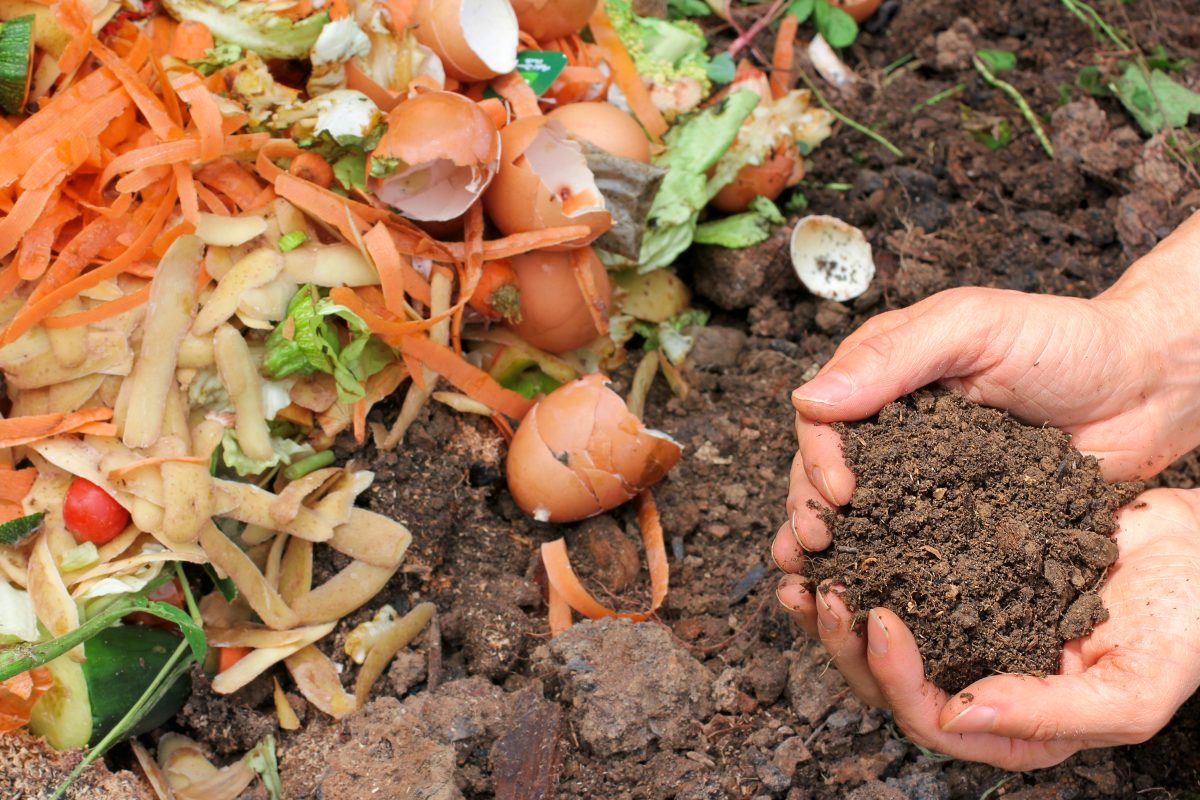
- Vegetable peels and trimmings – Corn husks, carrot tops, and tomato scraps are all fair game.
- Fruit scraps – Think peach pits, apple cores, or melon rinds.
- Coffee grounds and filters – Coffee is a great source of nitrogen, and filters break down easily.
- Eggshells – Rinse and crush your egg shells for faster breakdown.
Household Browns
- Shredded paper and cardboard – Great for balancing out all those greens. Be sure to avoid glossy or colored paper.
- Paper towel and toilet paper rolls – Rip them up and mix into the pile.
- Unbleached paper napkins – As long as they’re not greasy or heavily soiled.
What to Skip (Even in Summer)
While it’s tempting to toss in anything organic, there are a few items that can do more harm than good:
- Meat, dairy, and oily foods – These attract pests and create odor.
- Pet waste – Not safe for compost used on edibles.
- Diseased plants or insect-infested trimmings – Can (and most likely will) contaminate your finished compost.
- Invasive weeds – Like Japanese knotweed or poison ivy, which can spread quickly through compost.
Pro Tips for Summer Composting Success

- Keep it moist but not soggy
Our August heat can dry things out pretty quickly. Your compost pileshould feel like a wrung-out sponge. If it’s dry, add water or moist greens. If it’s soggy, mix in more browns. Keep an eye on your compost pile and treat it like a plant that might need to be watered! - Turn your pile weekly
Aeration helps speed things up and prevents any unpleasant smells. Use a pitchfork or compost aerator to mix materials and let oxygen in. - Chop large items
Breaking up corn cobs, melon rinds, or cardboard (like a paper towel roll) helps them decompose faster. - Cover your pile
A compost bin with a lid or a tarp can help retain moisture and deter critters. Just make sure there’s still plenty of airflow.
Bonus: Prepping for Fall Composting
No, it’s not fall yet, but it’s not too far away! Where has the time gone? The month of August is a great time to get ahead for the upcoming season. As we head into fall, you’ll have an abundance of browns like leaves, pine needles, and dried stalks. If you can, start stockpiling those now so you can keep your compost pile balanced when the greens taper off.
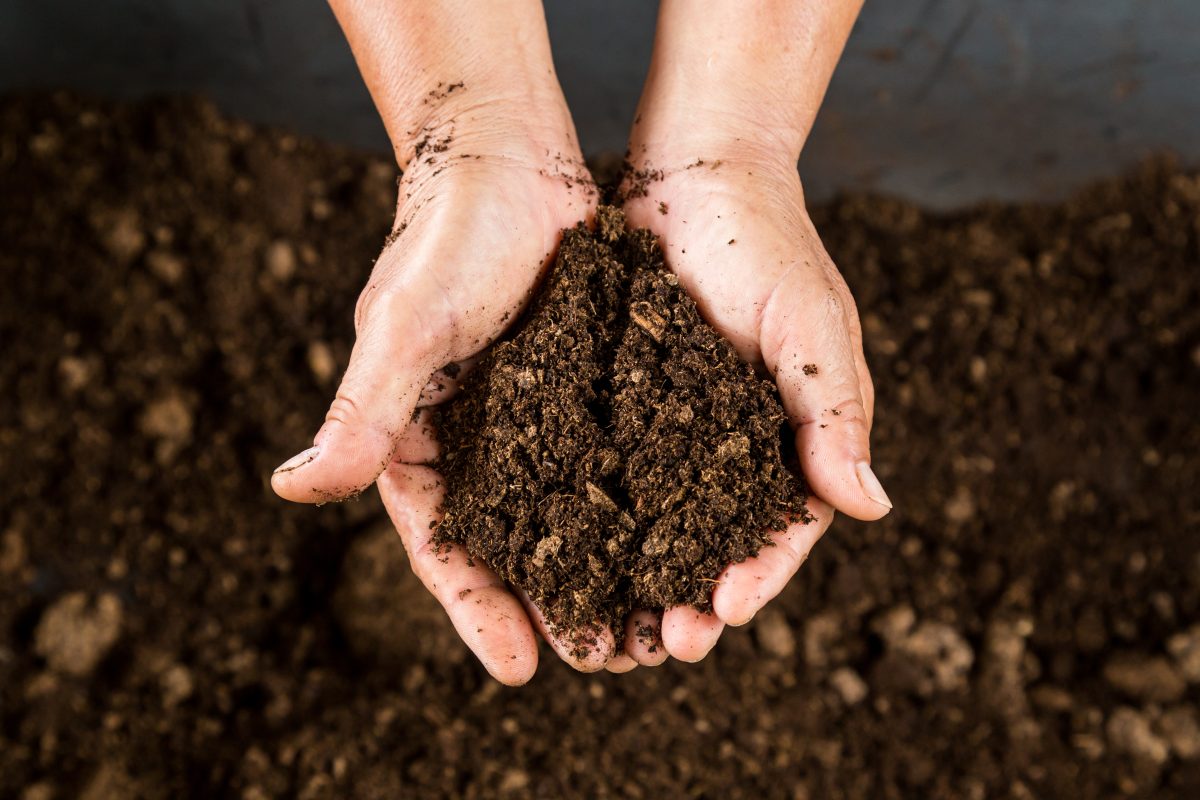
You can also begin preparing your compost to be finished and usable for fall garden work. If you started a pile earlier this summer, you may be close to harvesting finished compost from the bottom layer. Look for dark, crumbly material with an earthy smell. That right there is your garden’s best friend!
Need Supplies or Advice? We’ve Got You Covered.
At Agway of Cape Cod, we carry everything you need for composting including bins, aerators, brown material like straw, and expert advice on getting started or troubleshooting. Whether you’re in Orleans, Dennis, or Chatham, our team is always happy to help you turn your kitchen and garden scraps into something amazing.
Stop by this month and get your compost pile in top shape! You’ll thank yourself come planting season.