
 If living a more eco-friendly lifestyle or growing an amazing spring garden are a part of your 2025 resolutions, this blog is for you! During the cold winter seasons, the idea of composting might seem challenging for most of us. However, winter composting is not only possible but also beneficial for maintaining an eco-friendly lifestyle year-round. With a few easy adjustments and the right techniques, you can keep your compost pile active and healthy, even during our frigid Cape Cod winter months. Here’s everything you need to know about composting in winter!
Why Compost in Winter?
Composting in winter has several advantages. It allows you to continue diverting food and yard waste from landfills, reducing greenhouse gas emissions. Winter composting also ensures you’ll have a head start on rich, nutrient-dense compost for your spring garden. It’s an excellent way to maintain sustainable habits and prepare for spring gardening regardless of the season.
Challenges of Winter Composting
Winter composting does come with its challenges, and many of these challenges are quite obvious. The cold temperatures can slow down the decomposition process, as microbial activity diminishes when the thermometer dips below freezing. Additionally, heavy snowfall or icy conditions may make accessing your compost bin or pile more difficult. However, with proper preparation and management, these challenges can’t hold you back!

Preparing for Winter Composting
- Choose the Right Location: Position your compost bin or pile in a location that’s sheltered from harsh winds and easily accessible during winter. A sunny spot can help keep the pile slightly warmer as it absorbs solar heat.
- Insulate Your Compost: Insulation is key to maintaining the microbial activity for composting. You can insulate your compost pile by surrounding it with straw bales, leaves, or wood pallets. If you’re using a compost bin, wrapping it with an old blanket, tarp, or bubble wrap can help retain heat.
- Stockpile Browns: Collect and store dry carbon-rich materials, such as leaves, shredded paper, and cardboard. This would take place ideally before winter begins. These “browns” will be essential for balancing the nitrogen-rich “greens” like food scraps during the composting process.
- Create a Winter Composting Kit: Keep a small, lidded bucket or container indoors for collecting food scraps. This will make it easier to transfer waste to your outdoor compost bin during inclement weather.
Tips for Winter Composting Success
1. Balance Greens and Browns
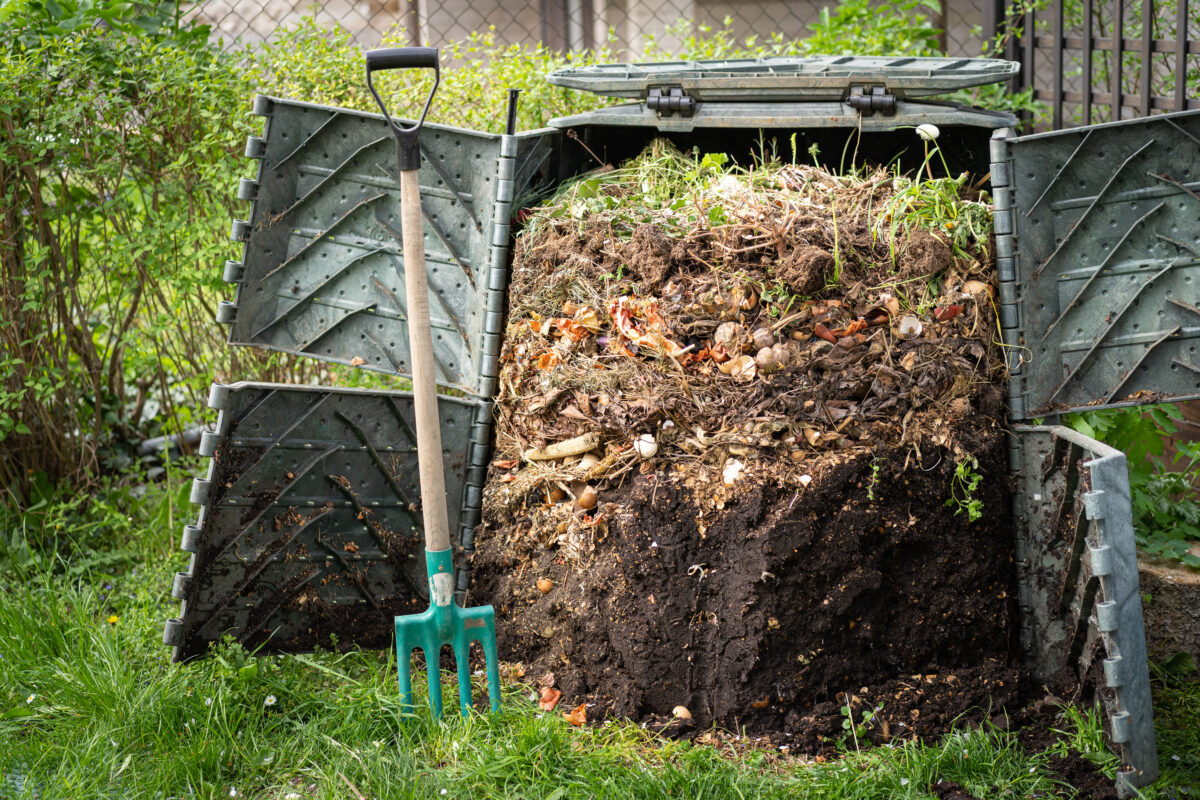
The decomposition process relies on a balanced ratio of greens (nitrogen-rich materials) to browns (carbon-rich materials). In winter, it’s especially important to add plenty of browns to prevent your compost from becoming too wet and freezing. Layer greens and browns in your composting bin to create a balanced mix.
2. Chop and Shred Materials
Try cutting your food scraps into smaller pieces and shredding yard waste. This will increase the surface area for microbial activity, speeding up decomposition even in colder temperatures. This simple step can make a significant difference in your winter composting efforts.

3. Turn the Pile Regularly
Turning your compost pile brings fresh oxygen into the mixture and helps maintain consistent decomposition. While you might not be able to turn the pile as frequently in winter, doing so on milder days can help keep the decomposition process going.
4. Monitor Moisture Levels
Moisture is critical for composting, but too much water can cause freezing and slow decomposition. Keep your compost pile damp but not soggy. If snow or rain accumulates, consider covering the pile with a tarp to regulate moisture levels.
5. Add Heat Sources
Adding heat-generating materials like fresh manure or alfalfa meal can boost the internal temperature of your compost pile. These materials release heat as they decompose, helping to counteract the cold.
Alternative Winter Composting Methods
If outdoor composting proves too challenging during winter, there are alternative methods to consider:
- Indoor Composting with a Worm Bin: Vermicomposting, or composting with worms, is an excellent indoor solution. Red wiggler worms can break down food scraps into nutrient-rich castings, providing you with high-quality compost for your garden. This one might seem a little bit out there to those that aren’t as familiar with composting, but it’s a very efficient option!
- Bokashi Composting: This fermentation-based method allows you to compost food waste indoors using a special Bokashi bucket and inoculated bran. The process is odorless and works well for small spaces.
- Compost Tumblers: If you have a compost tumbler, it’s easier to maintain during winter as it’s enclosed and can be turned without much effort. Insulating the tumbler with a tarp or blanket can further enhance its efficiency.
Common Winter Composting Questions
1. Will my compost freeze in winter?
It’s possible for the outer layers of your compost to freeze during extreme cold. However, the core of the pile can remain active if it’s well-insulated and properly managed by following the steps listed out above.
2. Can I still add food scraps in winter?
Yes! Continue adding food scraps, but be mindful of maintaining that crucial green-to-brown ratio. Layering scraps with browns will help keep the pile balanced and prevent odors.

3. What should I do if my compost pile freezes?
If your compost pile freezes, don’t worry! Decomposition will resume when temperatures rise in the spring. In the meantime, you can continue adding materials to the pile.
Benefits of Winter Composting
Despite the challenges, winter composting offers numerous benefits:
- Year-Round Waste Reduction: You’ll keep diverting organic waste from landfills, reducing your environmental footprint.
- Spring Readiness: Your compost will be ready for use in your garden as soon as the weather warms up, giving your plants a head start. If you’re hoping to create your best garden yet in 2025, this is a huge reason to compost this winter.
- Habit Continuity: Maintaining your composting routine through winter helps reinforce eco-friendly habits.

Final Thoughts
Composting in winter requires a bit more effort and planning, but the rewards are well worth it. By insulating your pile, balancing materials, and exploring alternative methods, you can keep composting all year long. Whether you’re a seasoned composter or a beginner, these tips will help you navigate the colder months with ease. So bundle up, head outside, and keep turning that compost pile—your garden will thank you come spring!
Stop by and chat with our Agway Cape Cod team members if you have any specific questions. We’d love to help you with your composting!