
It’s late September, do you know what that means? We are preparing to approach a profound and transformative moment in the astronomical calendar: the fall equinox! This year, the fall equinox will occur in the morning on September 22nd. The fall equinox marks the official beginning of autumn in the Northern Hemisphere. This event is not only a fascinating astronomical occurrence, but it is also a symbol of the natural cycles of change that govern our lives.
In this blog post, we will explore the significance of the fall equinox from scientific, cultural, and personal perspectives. We’ll take a deeper look into the changes that occur during this time in the nature around us and within ourselves. Start embracing fall now! Cozy up with a hot tea or coffee and learn about the fall equinox with us!
What Is the Fall Equinox?
The word “equinox” comes from the Latin words *aequus* (equal) and *nox* (night), signifying the point at which day and night are approximately equal in length. During the fall equinox, the sun crosses the celestial equator, heading southward. This occurs because Earth’s axis is tilted at an angle of approximately 23.5 degrees relative to its orbit around the sun. Throughout the year, this tilt causes different parts of the planet to receive varying amounts of sunlight, leading to the changing seasons.
At the equinox, however, Earth’s axis is not tilted toward or away from the sun, meaning that the sun’s rays hit the equator directly. For a brief moment in time, both hemispheres receive an equal amount of light, creating a balance between day and night. After the fall equinox, days become shorter and nights grow longer as we move toward the winter solstice. Unfortunately, this means it’s time to start saying goodbye to our long summer evenings.
The Science Behind the Equinox
The fall equinox is one of two equinoxes that occur each year, the other being the spring (or vernal) equinox, which takes place around March 20th. Both events are key points in the Earth’s orbit around the sun and play a significant role in regulating the planet’s climate and weather patterns.
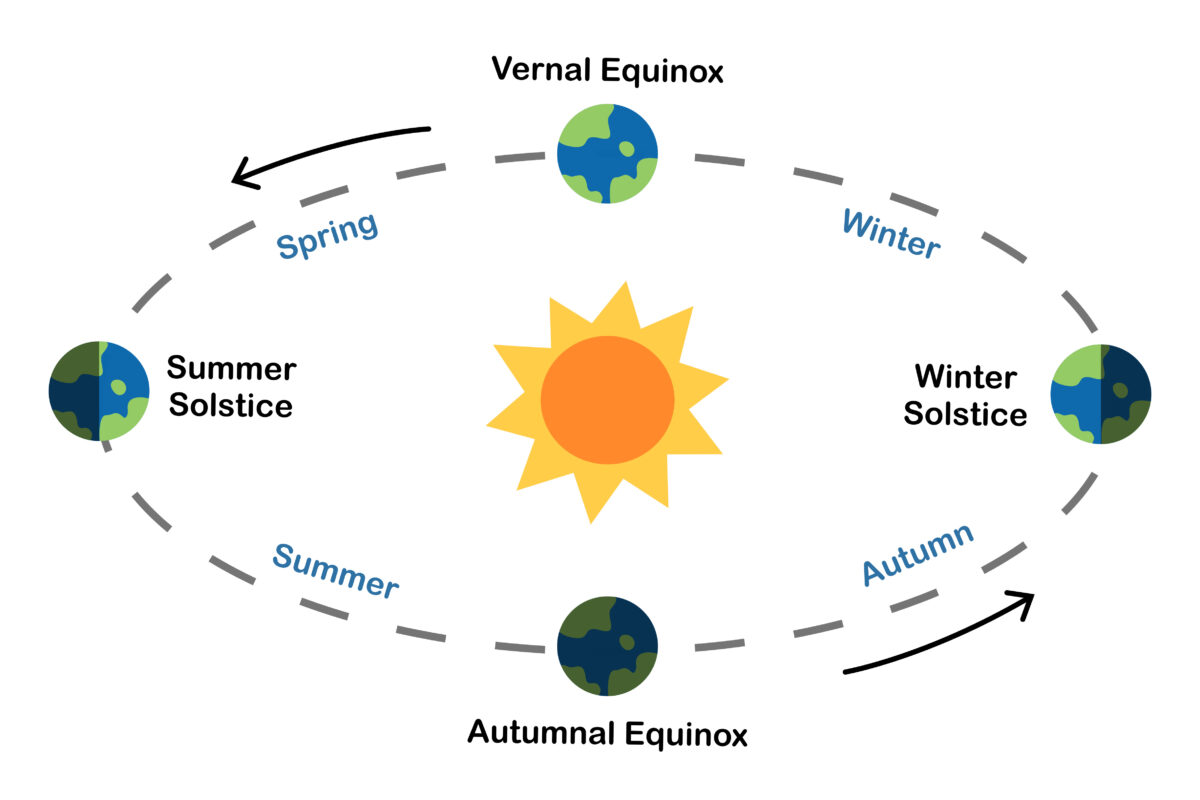
During the equinox, the sun rises exactly in the east and sets exactly in the west. This symmetrical alignment is an extremely rare occurrence, as most days of the year, the sun appears to rise and set slightly off-center due to the Earth’s axial tilt.
The equinoxes are also linked to the concept of solar declination, which refers to the angle between the rays of the sun and the plane of the Earth’s equator. At the equinox, the solar declination is 0 degrees, meaning that the sun is positioned directly above the equator. This unique positioning creates the equal length of day and night that characterizes the equinox.
Seasonal Changes: Nature’s Transformation
The fall equinox is a time of dramatic change in the natural world. As our Earth tilts away from the sun, temperatures begin to drop, and the long, warm days of summer fade out as we begin to experience cooler, shorter days. This change in temperature triggers a cascade of changes in the environment, most notably in plant life.
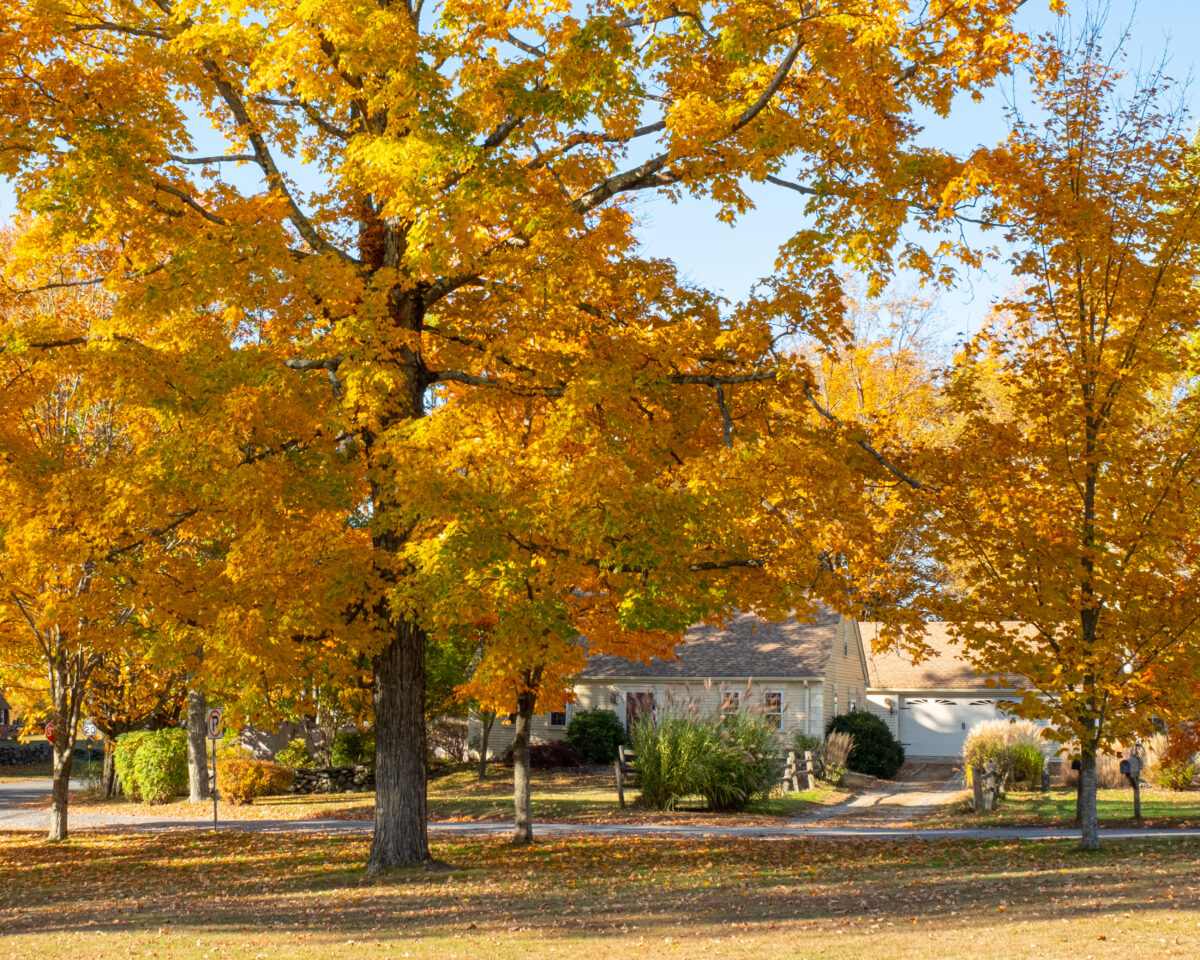
One of the most iconic symbols of autumn is the changing color of leaves. As days become shorter and sunlight diminishes, trees stop producing chlorophyll, the green pigment responsible for photosynthesis. Without chlorophyll, other pigments in the leaves, such as carotenoids and anthocyanins, become more visible, giving the leaves their vibrant red, orange, yellow, and purple hues. This phenomenon is particularly striking in deciduous forests, where entire landscapes transform into brilliant displays of color.
Where will you be experiencing the changing leaves this autumn? We can’t wait to start seeing the changes here on the Cape!
In addition to the changing foliage, many plants enter a period of dormancy during the fall. Flowers begin to wither, and many species of trees drop their leaves in preparation for the winter months. Animals, too, adjust their behaviors to prepare for the colder season. Birds migrate south to warmer climates, while many mammals, such as bears and squirrels, begin to store food or prepare for hibernation.

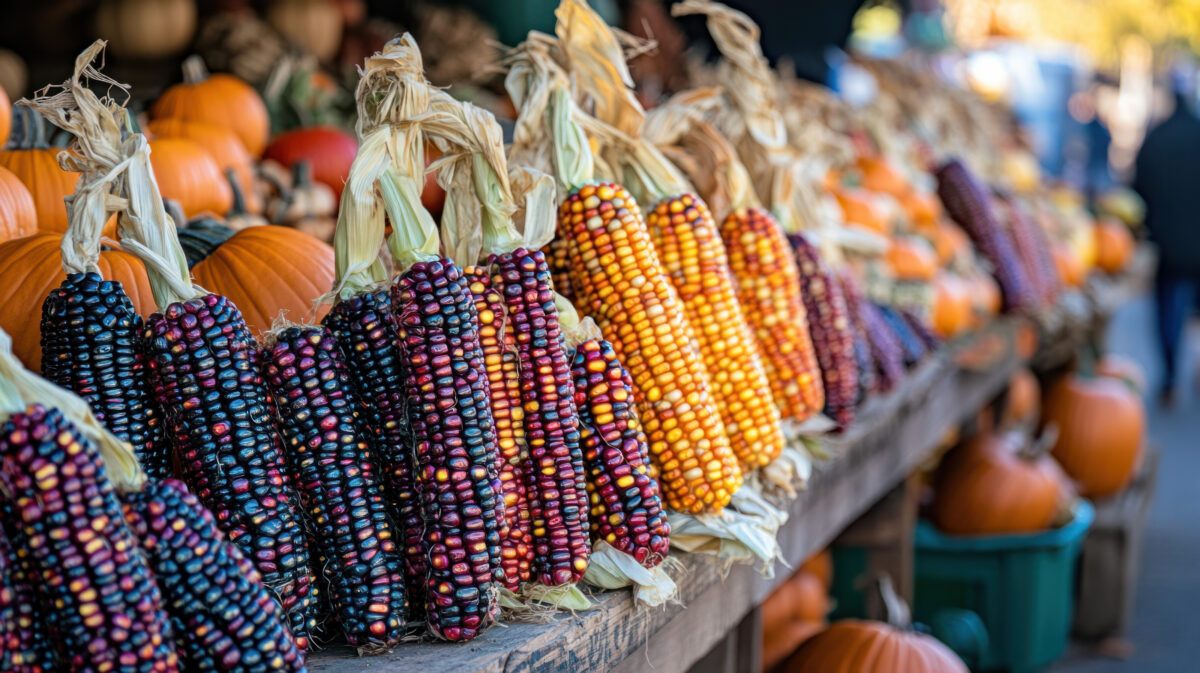
The fall equinox also marks the start of the harvest season in many parts of the world. Farmers across the Northern Hemisphere gather the last of their crops before the frost sets in. The farmer’s markets during this time of year are always fantastic! Historically, this was a time of great importance, as the success of the harvest could determine a community’s survival through the winter.
Cultural Significance of the Fall Equinox
Throughout history, the fall equinox has held deep cultural and spiritual significance. Many ancient civilizations, including the Egyptians, Mayans, and Celts, built monuments and temples aligned with the position of the sun during the equinoxes. These structures, such as the Great Pyramid of Giza and Stonehenge, served as both astronomical observatories and sacred spaces for rituals and ceremonies.
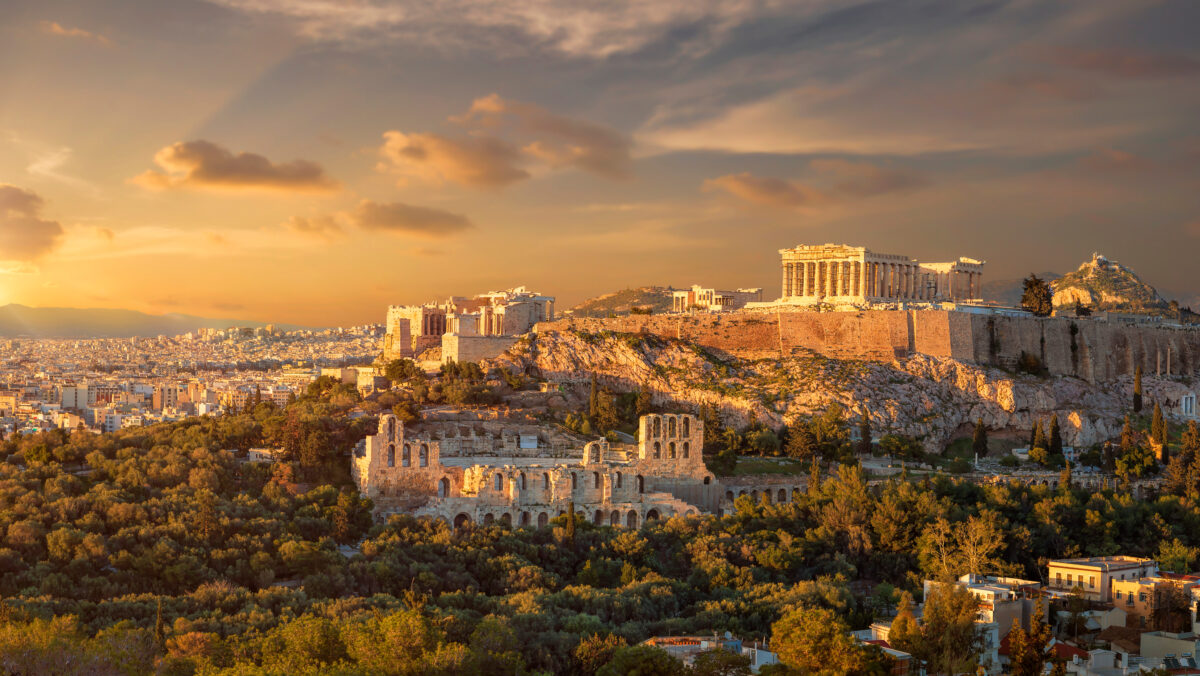
In many cultures, the fall equinox is a time of gratitude and reflection. In ancient Greece, the equinox was associated with the myth of Persephone, the daughter of Demeter, the goddess of the harvest. According to the myth, Persephone was abducted by Hades and taken to the underworld. Her descent to the underworld marked the onset of winter, while her return to the Earth symbolized the rebirth of spring.
Similarly, in Chinese culture, the Mid-Autumn Festival, also known as the Moon Festival, is celebrated around the time of the fall equinox. This festival is a time for families to gather, give thanks for the harvest, and admire the full moon, which is believed to be at its brightest and most beautiful during this time.
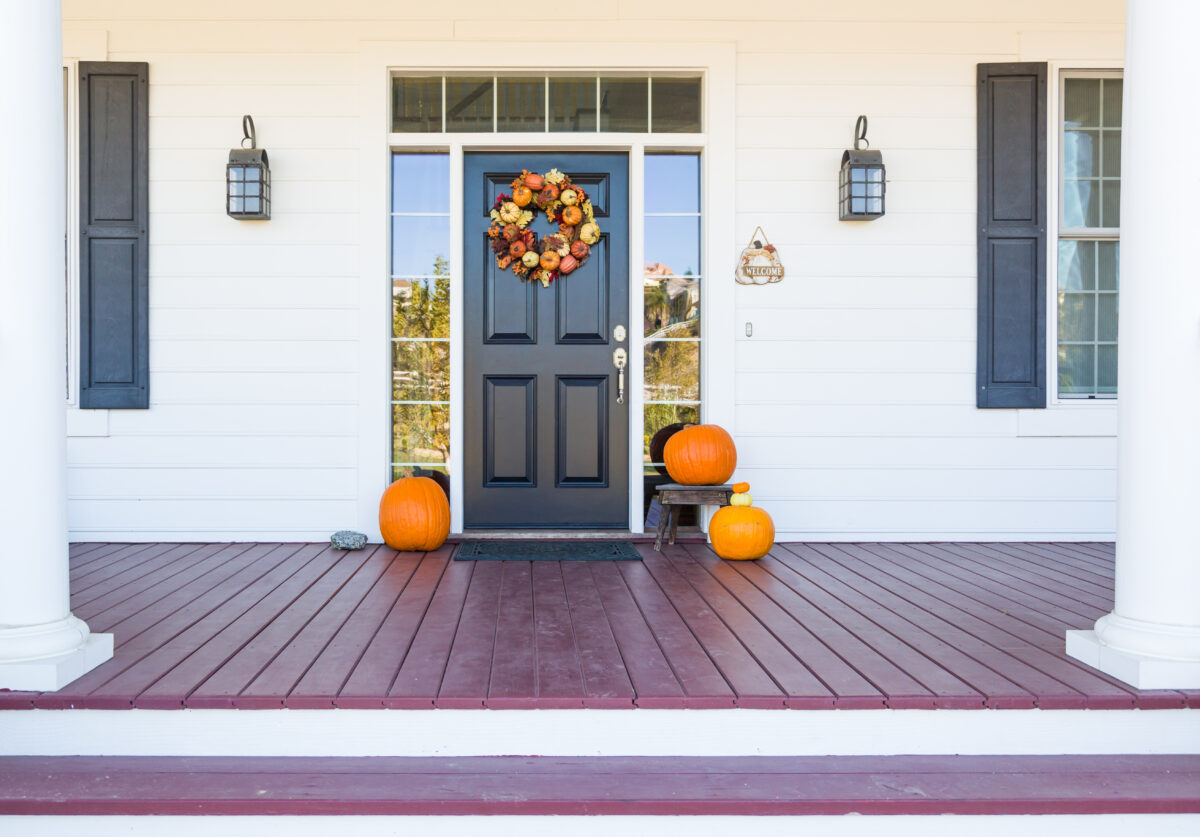
In today’s time, many people celebrate the fall equinox as a time to reconnect with nature and honor the changing seasons. Fall, in general, is a time for many to reset and prepare for the cozy season. The wind down of summer is a nostalgic, yet exciting time for many of us. Our kids are back to school and we start pulling out some of our more comfy home decor. Seeing pumpkins at Agway and on people’s porches is always a joyful feeling as well.
Embracing Change and Balance
The fall equinox is a powerful reminder of the cycles of change that govern our lives. Just as the Earth shifts from summer to autumn, we, too, go through seasons of transformation. The equinox invites us to embrace these changes and find balance in our lives, just as Mother Earth balances day and night on this special day.
This time of year is ideal for reflection and introspection. As the external world slows down and becomes quieter, we are encouraged to turn inward and reflect on the first half of the year and our warm summer memories. What have we harvested over the past few months? What lessons have we learned? What goals have we achieved, and what do we still need to work on? The latter half of the year is an exciting time to get back on track and focus in on what we intended for at the start of 2024.

The equinox also offers an opportunity to release what no longer serves us. Just as trees shed their leaves, we, too, can let go of old habits, patterns, and relationships that may be holding us back. By releasing the past, we create space for new growth and opportunities to emerge!
Practical Ways to Celebrate the Fall Equinox
There are many ways to celebrate the fall equinox and honor the changing season. Here are a few simple ideas to help you connect with the energy of this special time:
Spend Time in Nature
Take a walk in the woods, visit a park, walk along the seashore, or simply sit outside and observe the changing colors and cooler temperatures. Nature has a way of grounding us and reminding us of the beauty of change.
Create a Gratitude List
Reflect on the abundance in your life. Write down everything you are grateful for and take a moment to appreciate the fruits of your labor, both literally and figuratively.
Decorate Your Home with the Symbols of Autumn
Bring the spirit of the season into your home by decorating with pumpkins, gourds, leaves, and other fall symbols. These items can serve as reminders of the natural cycles of growth and renewal.
Practice Meditation or Yoga
The equinox is a time of balance, so it’s a great opportunity to practice activities that promote physical and emotional equilibrium. Meditation, yoga, or simple breathing exercises can help you find inner peace and harmony.
Host a Fall Equinox Gathering
Invite friends and family to celebrate the equinox with a seasonal feast or potluck! Incorporate autumnal foods like apples, squash, and root vegetables into your meal, and take time to share what you are grateful for with your loved ones.
Set Intentions for the Rest of the Year
As we move into the latter half of the year, take some time to set intentions for what you want to accomplish before the year ends. What goals do you still want to achieve? What changes do you want to make in your life?
Celebrating the Fall Equinox
The fall equinox is a moment of balance and change. As the Earth tilts away from the sun and the days grow shorter, we are reminded of the natural cycles that govern our world. Let’s allow the change of seasons to help us find balance in our own lives and navigate the transitions ahead with grace and gratitude.
Whether you choose to celebrate the equinox with celebration, reflection, or simply by spending time in nature, this time of year offers a unique opportunity to connect with the rhythms of the Earth and prepare for the coming winter months! Join in on the excitement with our team at Agway. Let us know what you’re most excited about this fall on our Fall Equinox Instagram post! We hope to see you all in store very soon. Until next summer!