
As summer fades and the days grow shorter, avid gardeners know that autumn brings its own set of opportunities for a flourishing fall garden. Fall gardening is an excellent way to extend your growing season and ensure a bountiful harvest even as the weather cools down. With a little planning and some strategic steps, you can keep your garden productive and vibrant through the fall. Here are some top tips to help you make the most of your fall garden.
1. Plant Cool-Season Crops

Fall is the perfect time to plant cool-season vegetables that thrive in cooler temperatures. Crops like lettuce, spinach, kale, broccoli, carrots, and radishes will grow well in the autumn weather. The cooler days and chilly nights actually enhance the flavor and sweetness of many of these vegetables.
2. Extend the Growing Season
To prolong your growing season, consider using row covers, cloths, or cold frames to protect your plants from frost and keep them warm during cooler nights. These protective measures can extend your harvest by a few weeks or even months.
3. Use Mulch
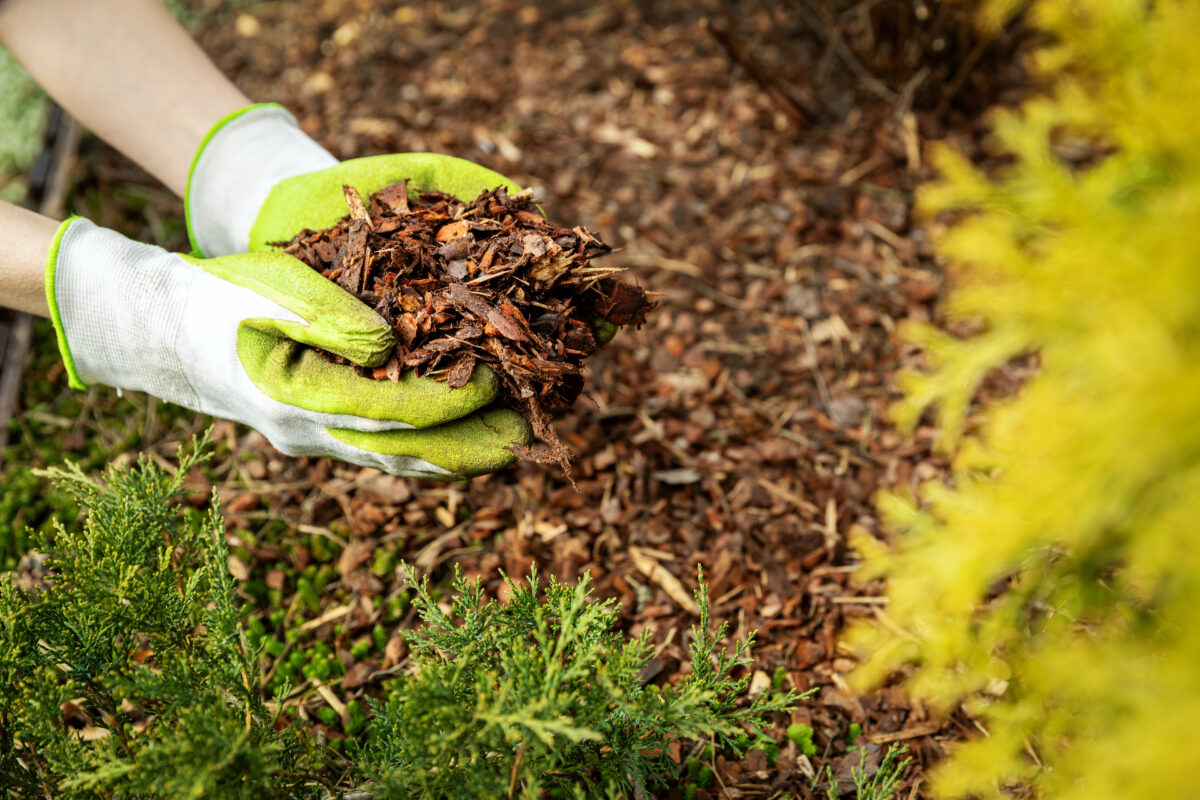
Applying a layer of mulch around your plants helps to retain soil moisture, moderate soil temperature, and inhibit weed growth. Organic mulch, such as straw or leaves, also enriches the soil as it breaks down over time, adding nutrients for your plants to absorb. See which mulch options are available at Agway!
4. Regular Watering
While the cooler temperatures of fall reduce the risk of evaporation, plants still need sufficient water to thrive. Monitor the moisture levels of the soil and water accordingly, ensuring your plants stay healthy and vigorous.
5. Optimize Sunlight
As the days become shorter, it’s essential to make the most of the available sunlight. Trim any overhanging branches or vegetation that may block sunlight from reaching your garden. Proper sunlight exposure is vital for the growth and productivity of your plants.
6. Harvest Time

Keep a close eye on your crops and harvest them at their peak. Some crops, like Brussels sprouts and parsnips, actually taste better after a light frost. Be sure to harvest before a hard freeze to preserve the quality of your produce.
7. Prepare Your Soil
Before planting, enrich your soil with compost or well-rotted manure to replenish nutrients and improve soil structure. Healthy soil is the foundation of a productive garden.
8. Fall Pruning and Cleanup
Remove any spent plants or foliage to prevent diseases and pests from overwintering. Prune back perennial plants to promote healthy growth next spring. A tidy garden in the fall sets the stage for a healthy and organized garden in the spring.
9. Consider Cover Crops
After you’ve harvested your vegetables, consider planting cover crops like clover or winter rye to protect and enrich the soil over the winter. Cover crops prevent erosion, suppress weeds, and enhance soil fertility.
10. Plant Flowering Bulbs

Fall is the time to plant flowering bulbs like tulips, daffodils, and crocuses for a burst of color in your garden come spring. Prepare the soil and plant the bulbs following the instructions on the packaging.
11. Prepare for Frost
Keep an eye on the weather forecast and be prepared to protect your plants if a frost is predicted. Cover vulnerable plants with blankets, burlap, or commercial frost cloths to shield them from freezing temperatures.
12. Save Seeds
Fall is an excellent time to save seeds from your favorite plants. Allow some of your plants to go to seed, then collect, dry, and store the seeds for next year’s planting.
Fall gardening is a rewarding endeavor that allows you to enjoy fresh produce well into the cooler months. By choosing the right crops, optimizing growing conditions, and taking proper care of your garden, you can ensure a successful fall harvest. With these tips in mind, grab your gardening gloves and get ready to make the most of the autumn growing season. Stop into Agway to learn more!