
Pollinators are garden heroes that fly under the radar! What are pollinators? Pollinators are animals that help plants reproduce by moving pollen from one part of a flower to another or from one flower to another. We’re talking about bees, butterflies, moths, hummingbirds, and more.
They are crucial to the longevity, health, and overall quality of our gardens. Without them, pollination would plummet, and we’d lose a huge chunk of our fruits, vegetables, and flowers. So, now you might be wondering how to attract these pollinators to your garden this summer. By planting the right flowers, planning your landscape thoughtfully, and using natural methods to deter pests, you can create a buzzing haven for these essential pollinators. Learn how to grow a pollinator-friendly garden, one bloom at a time from our Agway experts!

Types of Flowers That Pollinators Love
When planting for bees, it’s not just about what looks good in your yard, it’s about what feeds them. Bees are drawn to certain shapes, colors, and scents. Knowing what attracts them will make your yard design a lot easier. Native plants are especially helpful, as they’ve evolved alongside local bee species and provide exactly what they need. Below are some of our Agway picks.

Landscape Solutions for a Pollinator-Friendly Garden

Creating a haven for pollinators isn’t just about planting a few flowers. It’s about building an environment where they can thrive and receive nutrition year-round. Here’s how to make your garden more welcoming for those productive pollinators:
Go Native and Go Wild
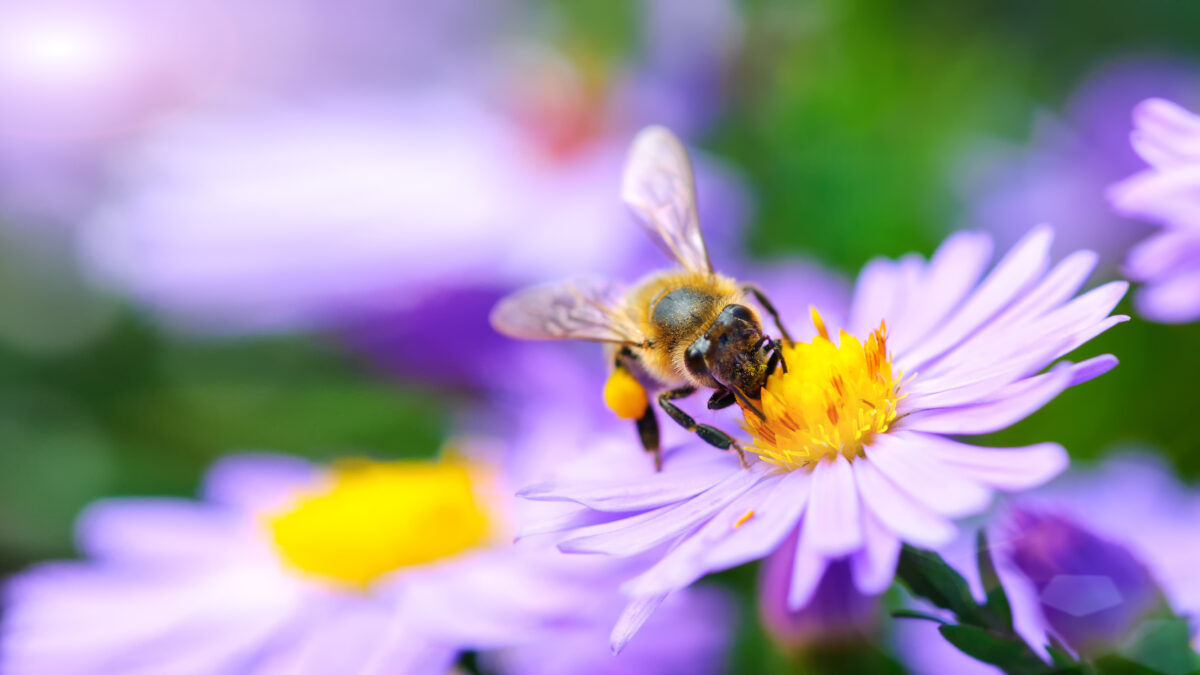
Native plants are the foundation of a pollinator-friendly garden. They’re adapted to our local Cape Cod climate and soil and often need less water and maintenance. Plus, native bees recognize them right away. Mix in wildflowers like goldenrod, aster, and milkweed to support a wide range of species.
Plant in Sections
Most pollinators are efficient foragers. Instead of spreading out different plants all over the yard, group the same flowers together in clusters. This makes it easier for pollinators to gather what they need without expending too much energy. Make it easy for the pollinators to not only come to you, but to keep coming back.
Stagger Your Bloom Times
Do you best to create a garden that offers blooms from early spring through late fall. That way, the pollinators will always have something to feed on in your garden. Mix early bloomers like crocus and snowdrops with midsummer stars like echinacea, and finish strong with late-season asters and sedum.
Add a Bee Bath
Some of the best pollinators, bees, need water too! But they’re not great swimmers. Set out a shallow dish with pebbles or marbles and add just enough water to touch the tops of the stones. Bees will land on the rocks to sip safely. Seeing them do this is rather fascinating, so keep an eye out!
Skip the Mulch (Sometimes!)
Bare ground is important for many species of native bees who nest in the soil. Leave some mulch-free patches in sunny areas of your garden to support any ground-dwelling pollinators.
Natural Ways to Keep Pests Out (Without Harming Pollinators)
Keeping your garden healthy doesn’t mean dousing it in chemicals. Pesticides and herbicides are major threats to most pollinator populations, so it’s important to find natural, pollinator-safe ways to manage pests.
Bring in the Good Bugs
Ladybugs, lacewings, and praying mantises are natural predators that can keep aphids and other pests in check. You can attract them by planting dill, fennel, yarrow, and other umbrella-shaped flowers.
Try Companion Planting
Certain plants naturally repel pests. For example:
-
Marigolds deter nematodes and aphids.
-
Basil repels mosquitoes and flies (and tastes great on your tomatoes).
-
Nasturtiums act like a trap crop, drawing aphids away from your prized veggies.
Neem Oil & Soap Sprays (Use With Caution)
Neem oil and insecticidal soaps are considered bee-safe when used properly. Be aware of the directions and warnings on these products. Only apply them in the early morning or late evening when bees aren’t active, and never spray directly on flowers where bees are foraging.
Remove Pests by Hand
It’s not glamorous, but hand-picking pests or rinsing them off with a strong stream of water is one of the most effective and bee-safe methods out there. When you see the damage they have the potential to do to your garden. you’ll start to think anything is worth it, even removing them with your bare hands!

Say No to Synthetic Pesticides
This one’s big. Even “bee-friendly” insecticides can be harmful. Neonicotinoids, in particular, are devastating to pollinators. Check plant labels and avoid treated seeds or pre-treated bedding plants. When in doubt, ask our Agway team if about which items in stock are pesticide-free.
Final Buzz: A Little Goes a Long Way
You don’t need acres of land to make a difference or to create a bee sansctuary! Even a few containers on a balcony or patio can offer a safe haven for bees. By choosing the right flowers, designing your space with pollinators in mind, and managing pests naturally, you’re giving back to these vital creatures that give us so much in return.
Your garden might just become the busiest little spot in the neighborhood, buzzing with life, beauty, and purpose. Happy gardening from Agway! Come and see us at any of our store locations for help with your bee-friendly gardening needs.