
The rhythmic hum of their wings, the delicate dance of pollination, and the golden elixir they produce – honey bees are fascinating creatures that play an essential role in our ecosystem and food supply. National Honey Bee Day, observed on August 20th each year, provides us with the perfect opportunity to celebrate these tiny yet mighty pollinators and raise awareness about their critical importance to our world.

The Buzz of Honey Bees
The simple act of a honey bee buzzing from one flower to another might seem insignificant, but it is nothing short of miraculous. For example, pollination, carried out by these diligent insects, is a natural process that enables the reproduction of flowering plants by transferring pollen from the male part (anther) to the female part (stigma) of a flower. This process leads to the formation of fruits and seeds, which in sum, is a crucial step in the growth of numerous crops that make up a significant portion of our diets.
A Feast Fit for a Queen – and Her Hive
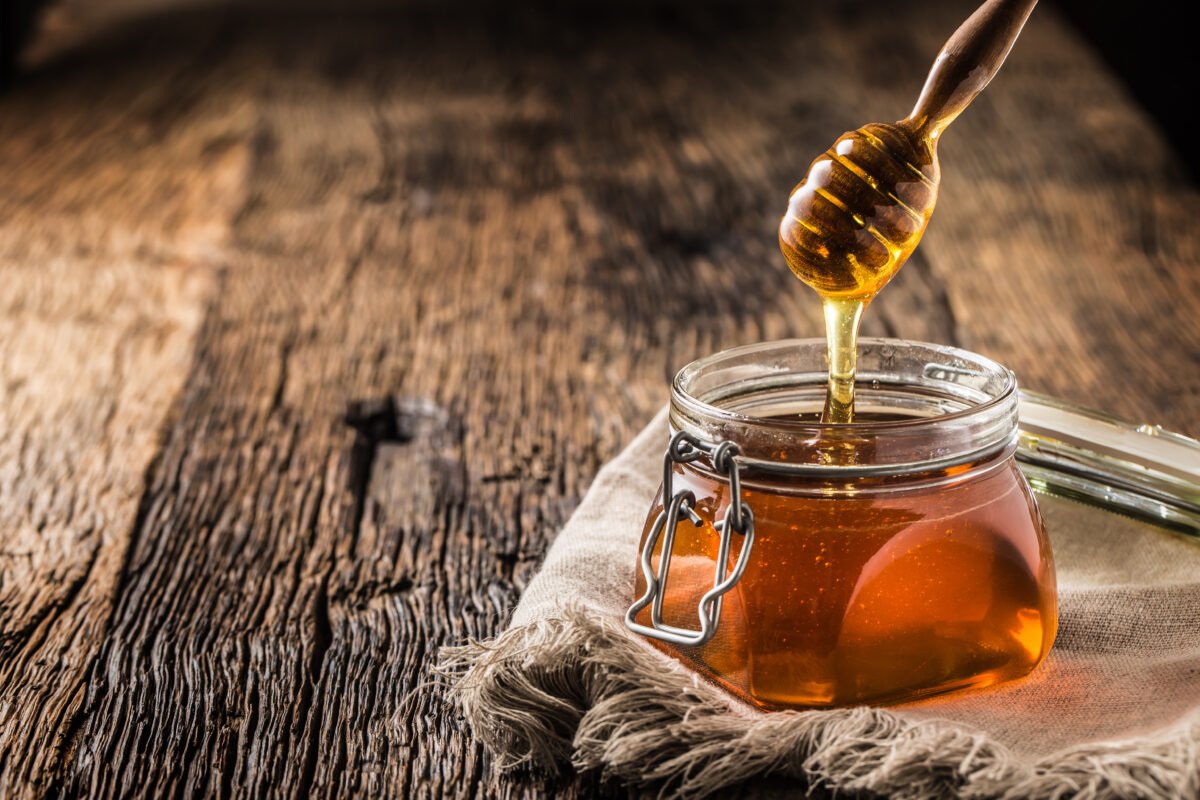
Additionally, while pollination is undoubtedly a remarkable contribution of honey bees, their role doesn’t stop there. The production of honey is another awe-inspiring feat performed by these industrious insects. Honeybees gather nectar from flowers and bring it back to their hive, where worker bees process the nectar through enzymatic reactions. This process creates honey, which serves as a nutrient-rich source of energy for the entire hive.

Honey Bee Facts
As we celebrate National Honey bee Day, let’s dive into some fascinating facts about these small wonders:
1. **Teamwork in the Hive:** A beehive functions as a highly organized society with different roles for each bee. There are worker bees, drones, and a single queen bee responsible for reproduction.
2. **Floral Connections:** Honeybees are known to visit around 2 million flowers to produce just one pound of honey.
3. **The Waggle Dance:** Honeybees communicate the location of nectar sources to other bees through a unique dance known as the waggle dance. This intricate movement conveys information about distance and direction.
4. **Global Impact:** It’s estimated that honeybees contribute to the pollination of nearly one-third of the world’s food crops, making them a linchpin of global agriculture. In other words, we absolutely need to protect our honey bees.
5. **Threats to Honeybees:** Despite their importance, honeybees face numerous challenges, including habitat loss, pesticide exposure, climate change, and diseases like colony collapse disorder.

Conservation Efforts and Beekeeping
The plight of honey bees has sparked a global movement towards their conservation. Beekeeping, or apiculture, has gained popularity not only as a means to support honey bee populations but also as a rewarding hobby for individuals. By all means, beekeepers play a vital role in maintaining healthy honeybee colonies, and their efforts contribute to the preservation of these valuable pollinators.
In addition to individual initiatives, organizations, governments, and communities are taking steps to protect honey bees and their habitats. Planting pollinator-friendly gardens, reducing pesticide use, and advocating for policies that support pollinator health are just a few ways in which people are coming together to safeguard these essential creatures.
The Sweet Rewards of National Honey Bee Day
 In order to celebrate this holiday, we compiled a list of ways to participate in National Honey Bee Day:
1. **Educational Events:** Many zoos, botanical gardens, and nature centers host special events and workshops to educate the public about honeybees and their significance.
2. **Honey Tasting:** Experience the diverse flavors of honey by participating in honey tasting events that showcase different types of honey sourced from various flowers and regions.
3. **Gardening Activities:** Join local gardening clubs or community organizations in planting bee-friendly flowers to provide honeybees with ample sources of nectar.
4. **Support Local Beekeepers:** Purchase locally produced honey and hive products to support beekeepers in your area and contribute to the well-being of honey bee colonies.
5. **Spread Awareness:** Share information about honey bees and their importance on social media platforms, and encourage others to take action to protect these vital pollinators.
Given these points, National Honey Bee Day serves as a timely reminder of the crucial role honey bees play in our world. From pollination to honey production, these remarkable insects contribute to our food supply and ecosystem in ways that often go unnoticed. As we celebrate this day, let’s not only revel in the sweetness of honey but also commit to protecting and preserving the delicate balance of nature that honey bees help maintain. By raising awareness, supporting conservation efforts, and taking simple actions in our daily lives, we can ensure that these industrious pollinators continue to thrive for generations to come.
Interested in learning more? We recommend connecting with Pollinator Pathway Cape Cod, a regional initiative to increase pollinator-friendly habitats and food sources for bees, butterflies, hummingbirds and other pollinating insects and wildlife across Cape Cod. Visit their website here!