
July in Cape Cod means beach days, barbecues, and serious heat for your garden. While we love the long sunny days, your plants may be struggling to keep up! The current combination of high temperatures, strong sun, and occasional dry spells can lead to drooping leaves, overheated vegetables, and thirsty soil.
With a few smart adjustments, your garden can not only survive the heat, but it can thrive all summer long. Whether you’re tending to flower beds, veggie patches, or pots on the patio, here’s what you can do to keep your plants happy and healthy all month long.

Water Deeply, Not Daily
One of the biggest mistakes gardeners make in summer is watering too often and too lightly. Trust us, we’ve all been there! In the heat, it is especially important to water deeply. This encourages roots to grow downward where soil stays cooler and moister.
Pro Tip:
Water early in the morning. This allows time for moisture to soak in before the heat of the day causes too much evaporation. Evening watering is an option too, but be sure to avoid wetting leaves overnight, which can invite disease.
Mulch Is Your Garden’s Best Friend
Mulch acts like a natural shield for your soil, locking in moisture and regulating soil temperature. It also helps lower the growth and progression of weeds that compete for water and nutrients.
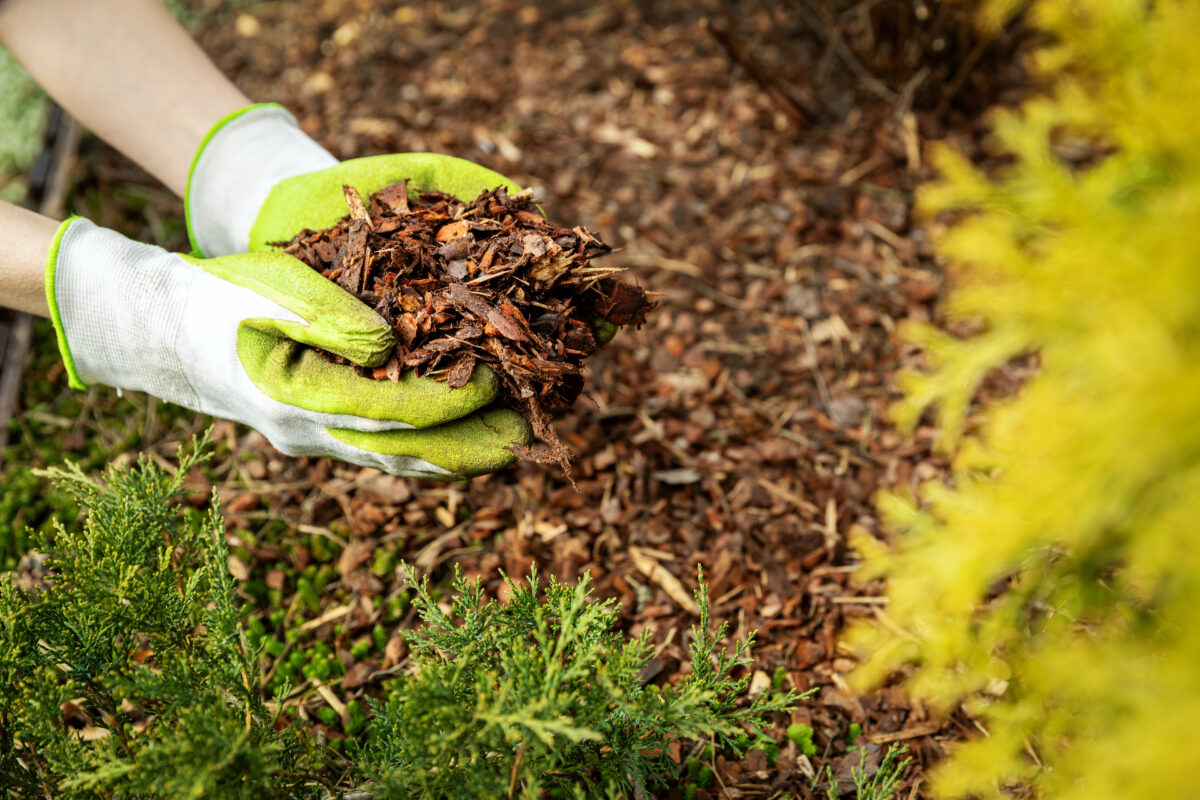
Agway Tip: Use organic mulches like shredded bark, straw, or compost and spread a 2–3 inch layer around the base of plants, being careful not to pile it directly against stems.
Bonus: Mulch slowly breaks down, adding nutrients to your soil. It’s a win-win for plant health and summer survival.
Shade Strategically
Some plants, especially cool-season crops and young seedlings, simply can’t handle long hours of intense sun. Use shade cloth, row covers, or even garden umbrellas to give them a break during peak afternoon heat. You can also use companion planting to your advantage. Taller plants like sunflowers or tomatoes can help shield more delicate greens like lettuce and spinach.
Watch for Wilting But Don’t Panic!
It’s normal for some plants to wilt during the hottest part of the day. If they perk back up in the evening, they’re doing just fine. This is their way of adapting to the heat and intense weather changes. Constant wilting, however, is a sign they need more water or are experiencing heat stress.
Check your soil regularly by sticking a finger an inch or two below the surface. If it’s dry that deep into the soil, it’s time to water.
Feed Lightly, If At All
Plants in extreme heat are already stressed. When plants are this stressed, heavy fertilizing can do more harm than good. Avoid using strong synthetic fertilizers during heatwaves. Instead, opt for gentle organic options or compost tea, and apply in the early morning when plants are most receptive.
If your plants are growing slowly or looking a little pale, a light dose of balanced, water-soluble fertilizer can give them a boost. We recommend staying on the side of caution.

Keep an Eye Out for Pests
Hot weather brings out more than just beachgoers and tourists to the Cape. It also attracts garden pests like aphids, spider mites, and whiteflies. Check under leaves and along stems regularly. If you notice an issue, act quickly with a natural remedy like neem oil or insecticidal soap. Healthy and well-watered plants are better able to resist pests, so sticking to a consistent watering routine helps here too.
Don’t Forget Your Containers
Potted plants dry out extremely fast in our hot July sun. Containers often need water once or even twice a day, especially if they’re exposed to full sun. Group pots together to create a microclimate that retains humidity, and consider moving more vulnerable plants into partial shade during heat waves. Use high-quality potting soil that retains moisture, and don’t forget to add mulch to all of your pots and containers, too.
Plan Ahead for Harvest
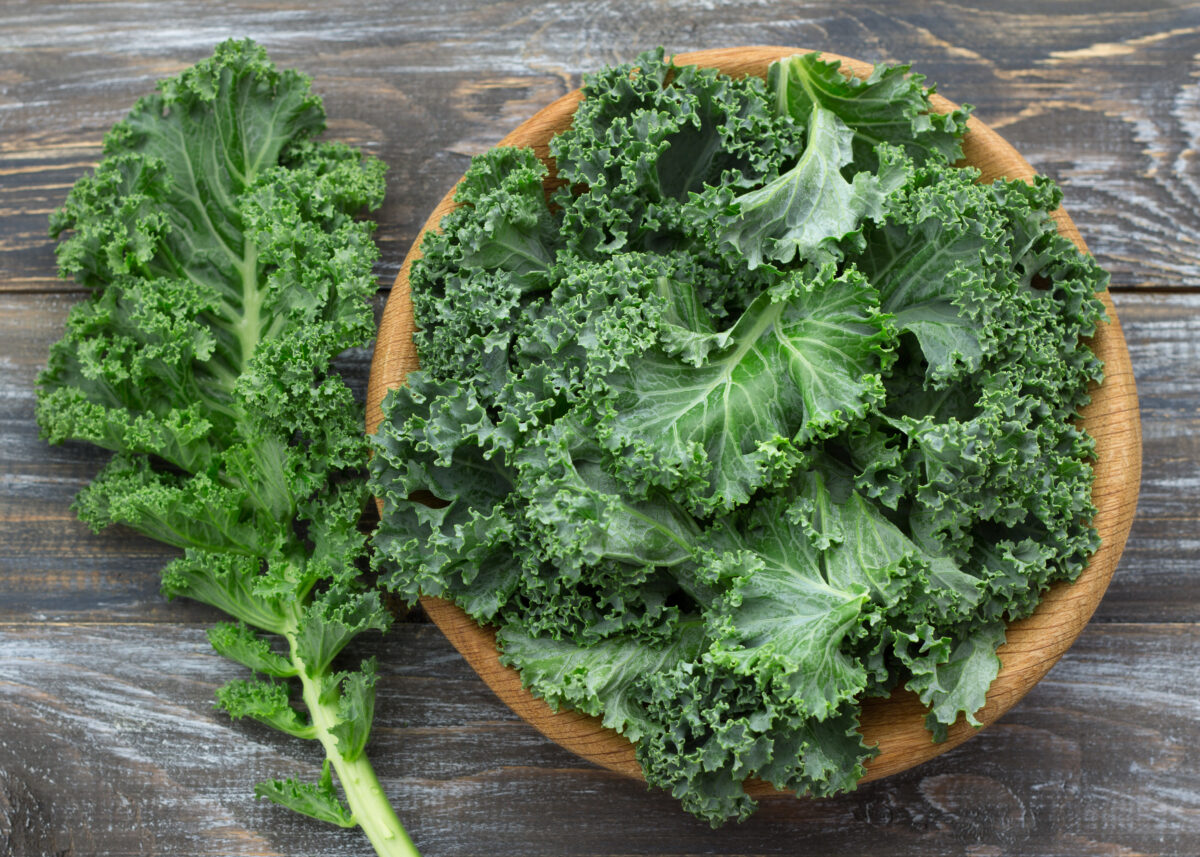
Some veggies like lettuce, arugula, and kale will bolt quickly during our hot summer months. If you haven’t already, switch to heat-tolerant varieties or start planning for a fall garden by seeding crops indoors that will be ready to plant when temperatures cool. In the meantime, pick ripe produce regularly to keep plants producing and reduce stress.
Keeping Your Gardens Safe in July
July doesn’t have to be a battleground between you and the elements. With a some summer care and planning, your garden can stay vibrant and productive even during Cape Cod’s hottest days – and there are many more to come!
Need help picking the right mulch, shade cloth, or organic pest control? Stop by any of our Agway Cape Cod locations. our team is always happy to help you keep your garden growing strong all summer long.