
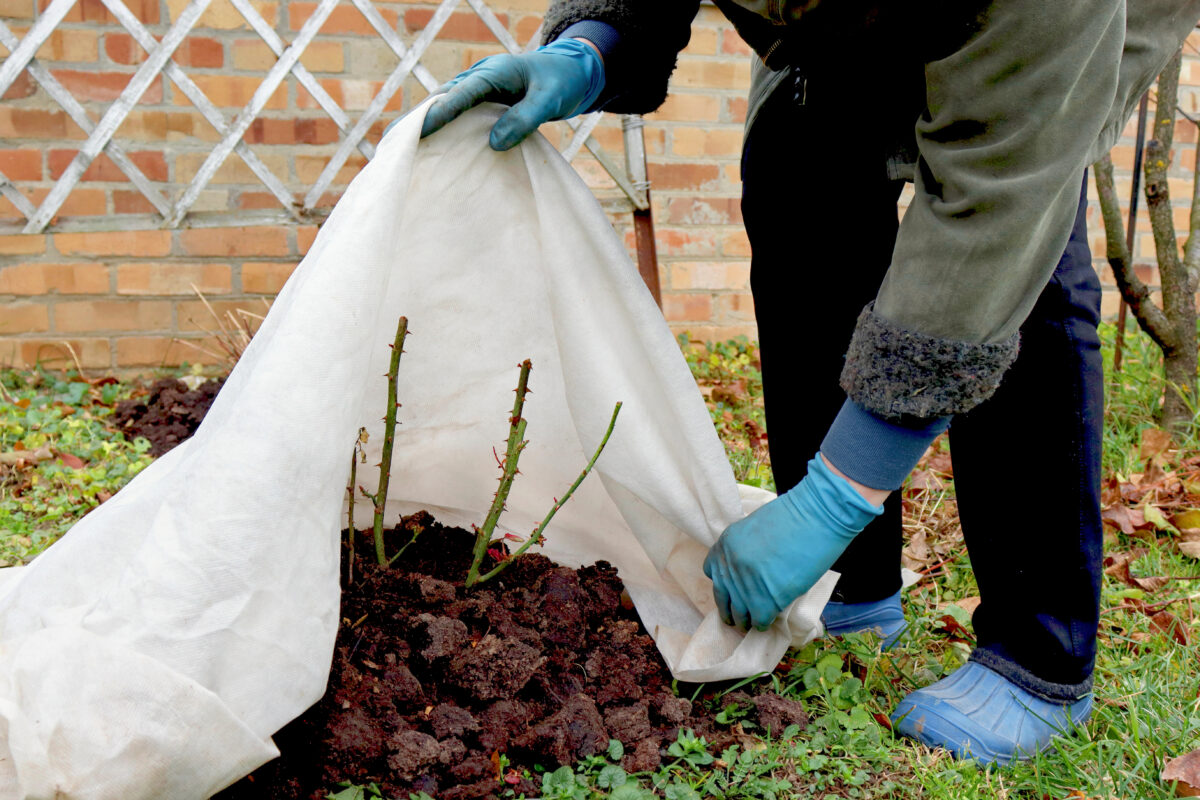
As the season winds down and you begin to look back on all of the planning, design, and hard work that you put into your gardens, we’d like to leave you with a few helpful hints:
1. Stop Fertilizing
It’s time to stop fertilizing your deciduous trees and shrubs. You don’t want to create new growth on your plants that may be subject to evening frostbite this late in the season.
During the colder months, many plants go into a state of dormancy, where their growth slows down or stops altogether. Fertilizing during this period is ineffective because the plants aren’t actively taking up nutrients and won’t utilize the fertilizer efficiently.
It’s best to follow a seasonal fertilization schedule that aligns with the growth and active nutrient uptake phases of your specific plants. When spring arrives and plants begin to actively grow again, you can resume fertilizing to support their growth and development.
2. Prune Those Branches!
Prune back your perennials and clean up dead plant material still in your gardens.
It’s important to tailor your pruning approach based on the specific needs and characteristics of each plant species. Some plants may benefit from more extensive pruning, while others may require only light trimming. Additionally, timing and techniques may vary depending on the type of plant and the climate of your region. Always use appropriate tools and follow best practices for safe and effective pruning.
3. Rake Your Leaves

Rake up any fallen leaves from your perennials and shrub gardens to prevent disease issues next season.
To make the most of your efforts, consider mulching the leaves with a lawnmower before raking them. Mulching chops the leaves into smaller pieces, which break down more easily and can serve as a natural fertilizer for your lawn or garden. Additionally, consider using the collected leaves for composting or as mulch for your garden beds.
4. Tag Your Plants
Put plant tags in the location of all of your perennials so next spring you’ll know what and where you planted.
Tagging the location of your plants before the cold months ensures that you are well-prepared for the winter season and can make informed decisions for the health, maintenance, and aesthetics of your garden.
5. Map Your Gardens
You can then spend the winter reviewing your gardens and planning for next season.
Mapping and planning your garden during the winter months is a proactive and strategic approach that offers numerous benefits for the upcoming growing season including planning for budgeting and resource allocation, creating soil improvement plans, planning crop rotation and succession planting, and more.
6. Mulch Your Beds
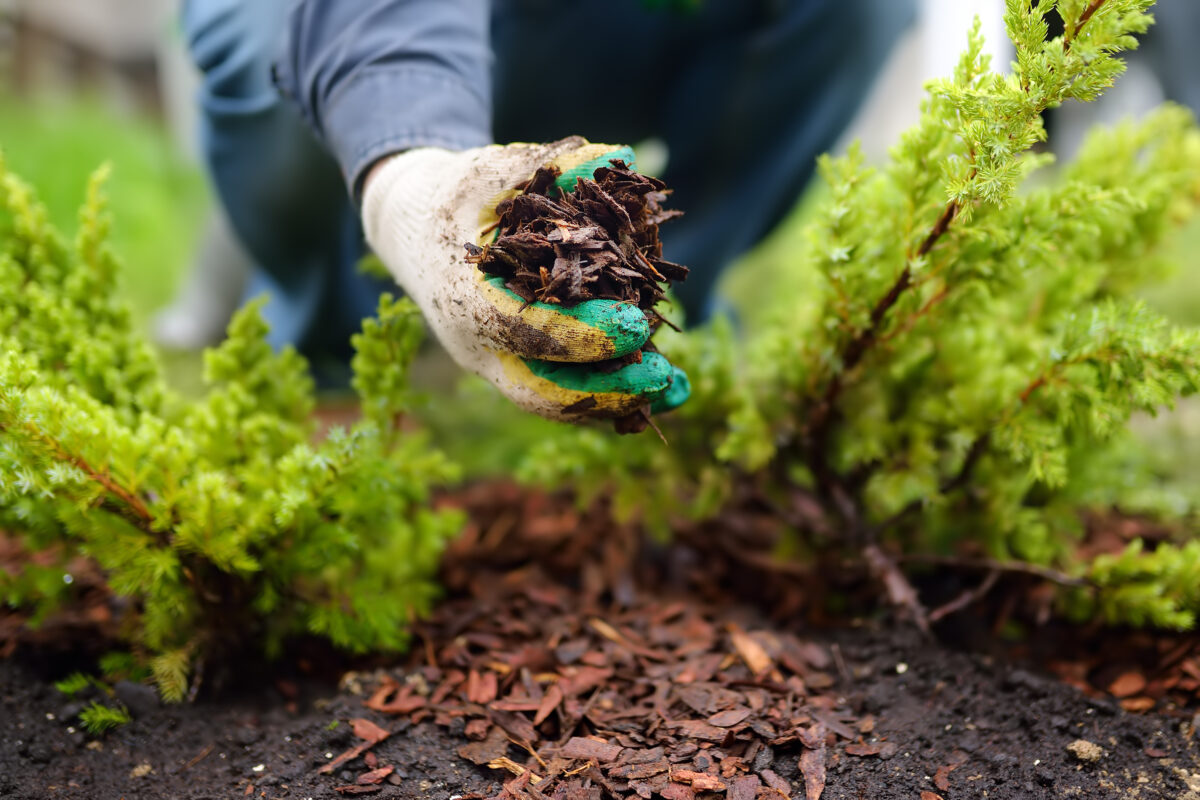
Mulch your beds one last time before winter sets in. Your plants will appreciate the extra layer of insulation. Your future self will thank you when you don’t have to do this task next spring!
By mulching your gardens before the colder months arrive, you will be able to better protect your garden from extreme temperatures, foster moisture retention, and better regulate the soil temperature of your garden.
Overall, mulching your garden before the colder months create a protective and nurturing environment for your plants, ensuring they have the best possible conditions to withstand and thrive during the winter.
See our mulch options here or come visit us at any of our Agway locations to speak with a specialist!