

If you’ve spent a summer on Cape Cod, you’ve most definitely admired the iconic hydrangeas blooming in our front yards, lining coastal roads, and framing our local shopping streets. These flowering shrubs are synonymous with the summer charm of Cape Cod. While they’re a local favorite, they’re not always the easiest to care for! With the right approach, though, hydrangeas can thrive in our unique coastal climate and bloom beautifully year after year. Let’s walk through the basics of pruning, feeding, and caring for hydrangeas.
Understanding the Different Types
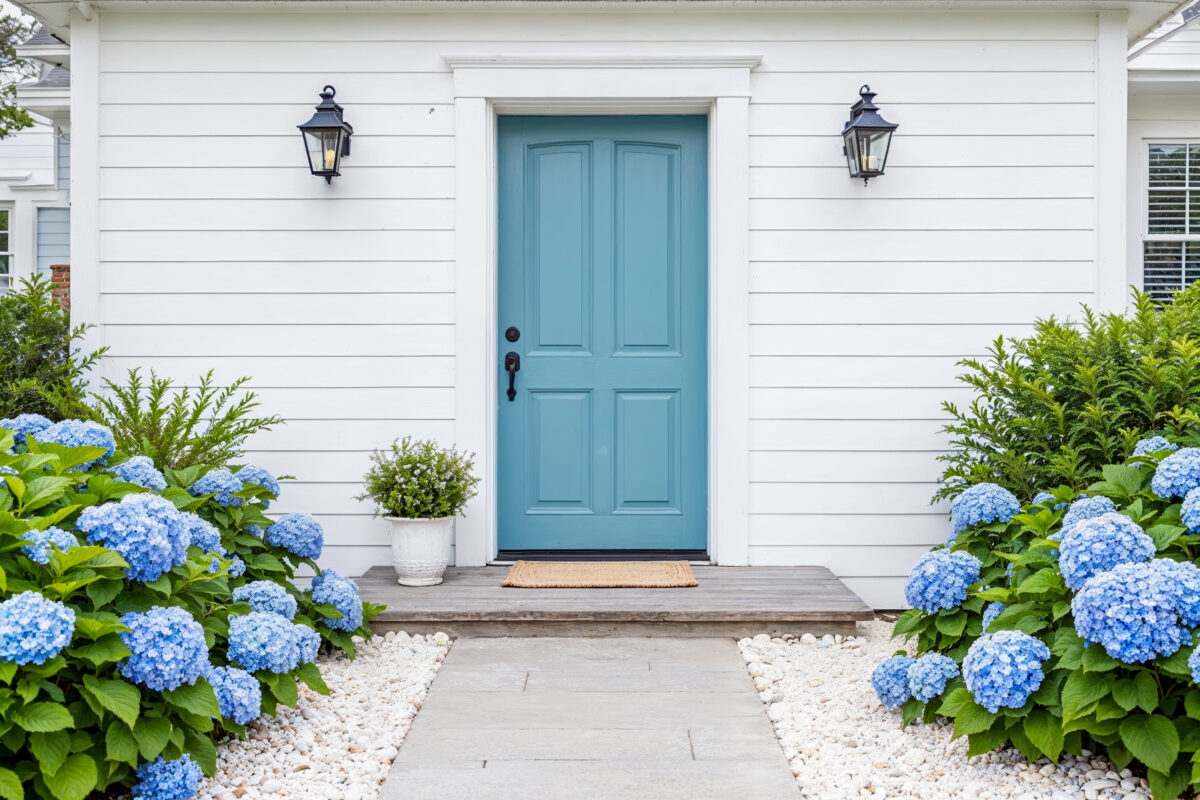
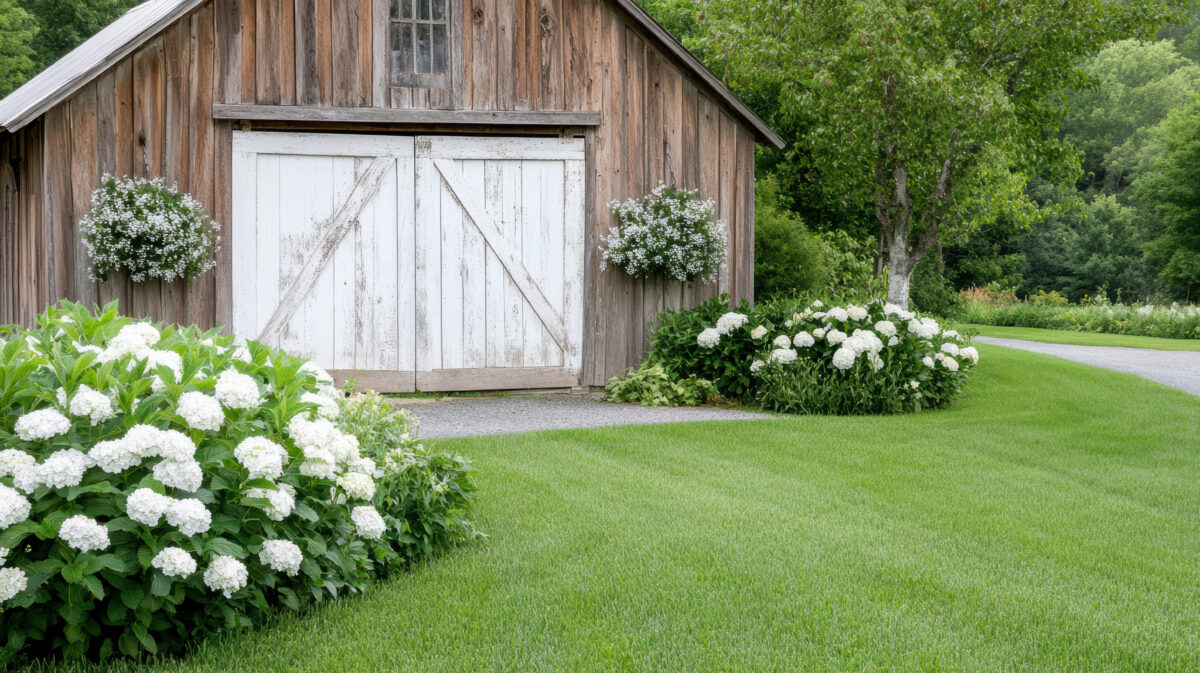
First things first: not all hydrangeas are the same. One of the most important things to know is what variety you’re working with. Bigleaf hydrangeas (Hydrangea macrophylla), which include mopheads and lacecaps, are the most common on Cape Cod and are known for their dramatic blue or pink blooms. Panicle hydrangeas (Hydrangea paniculata) have cone-shaped white flowers that often fade to pink and are more sun-tolerant. Oakleaf hydrangeas (Hydrangea quercifolia) have large, textured leaves and white blooms that turn rustic tones as they age. Then there are smooth hydrangeas like the popular ‘Annabelle,’ and climbing hydrangeas that can cover fences and arbors.
Each type has its own quirks, especially when it comes to pruning.
How (and When) to Prune
Pruning hydrangeas can be intimidating, but it all comes down to whether your plant blooms on old wood or new wood. Bigleaf and oakleaf varieties bloom on old wood, meaning the flower buds form the year before. These should be pruned right after they finish blooming, typically by late July, so the plant has time to set buds for next year. Mark your calendars for pruning later this month. Pruning too late in the season risks cutting off next year’s blooms.
On the other hand, panicle and smooth hydrangeas bloom on new wood, so they can be cut back in late winter or early spring without affecting the flower show. In fact, pruning them back by about one-third each spring can help create a fuller, more structured plant.
Regardless of type, it’s always safe to remove dead or damaged branches. If your hydrangeas haven’t been blooming well, over-pruning might be the reason.
Feeding and Soil Care
Hydrangeas are heavy feeders, but they don’t respond well to the wrong kind of fertilizer. In early spring, we recommend applying a balanced slow-release fertilizer. Preferably something like a 10-10-10 mix. For bigleaf hydrangeas especially, a second light feeding in early summer can help encourage bloom production.
Our sandy soil on the Cape can be tough on hydrangeas, which prefer slightly acidic, rich, and well-draining conditions. Incorporating compost or peat moss into the soil helps retain moisture and improve nutrients. And since our coastal summers can get hot and dry, mulching around the base of the plant is a smart move. It helps keep roots cool and hydrated.
If you’re trying to change your hydrangea’s flower color, soil pH is the key! For those iconic stunning blue blooms, aim for a more acidic soil (below pH 6) and consider adding aluminum sulfate. For pink blooms, raise the pH by adding garden lime. Just keep in mind that color changes take time and may require a few seasons to fully develop. Nothing worthwhile happens overnight.
Tips for Coastal Conditions
Living near the water has its perks (we’re so spoiled here!), but salty air and sandy soil bring some challenges for vegetation. Most hydrangeas do well in partial sun, with morning light and afternoon shade being ideal, especially for the more delicate bigleaf types. If your plants are in full sun and exposed to wind, they may show signs of leaf scorch or wilting. Planting near fences or taller shrubs can provide some helpful shelter from the elements.
When it comes to watering, deeper, less frequent soakings are better than daily sprinkles. Once or twice a week should be plenty, depending on rainfall. It’s normal for bigleaf hydrangeas to wilt a bit in the afternoon sun, but they should bounce back by evening. If not, it may be time to water some more.
And while our winters are milder than inland areas, hydrangeas still need some protection. Mulch around the base in the fall to insulate roots, and if your plant is in a particularly windy spot, wrapping it in burlap can help prevent damage to flower buds. For the best hydrangeas, it’s all about prepping and and protecting.
Enjoy the Bloom!
Hydrangeas are part of what makes Cape Cod so special in the summertime. With just a little general knowledge and seasonal care, you can keep them happy and blooming for years to come. If you’re unsure about which variety you have or what products to use, swing by any of our Agway Cape Cod locations! Our team is always happy to help you troubleshoot or pick out the right tools for the job.
Your yard can be just as stunning as the ones you see on your afternoon drive. With the right care, your hydrangeas will be the stars of the garden. And you’ll be extra proud of them, too.