
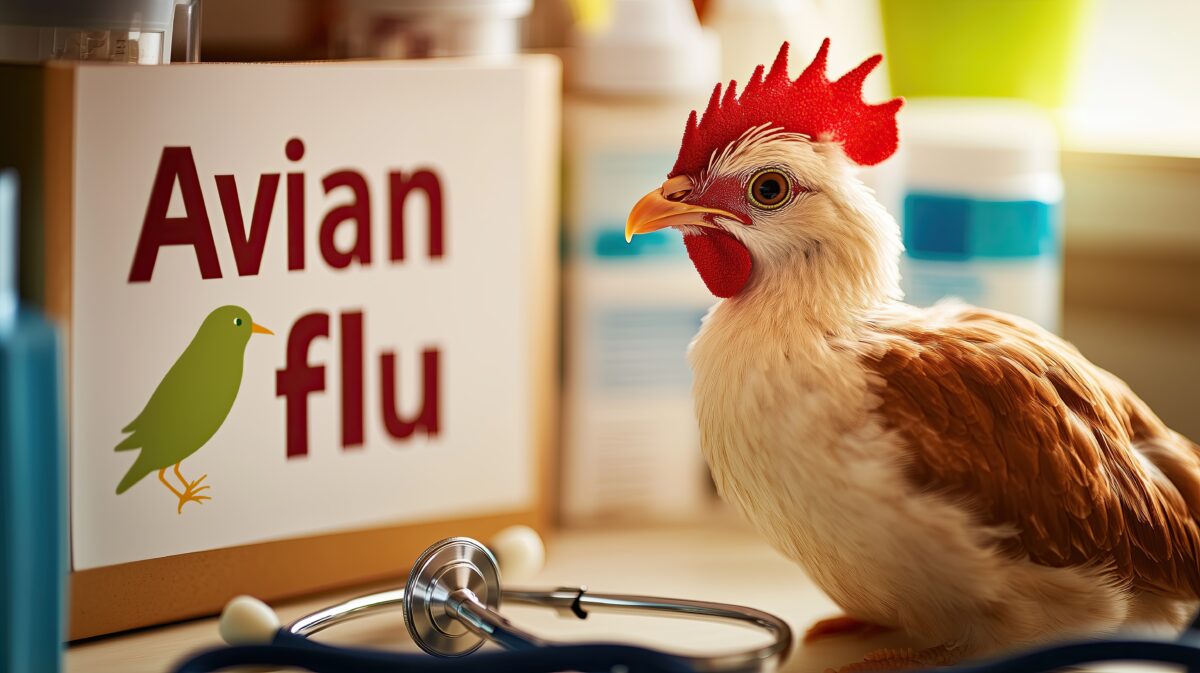
We will be transitioning into the migration season in about one month, which to our delight, brings the beauty of birds flying across our skies. At the same time, it comes with serious risks for poultry owners. Avian Influenza (AI), commonly known as bird flu, is a highly contagious viral disease that can devastate backyard flocks and commercial poultry. Wild birds, such as ducks, gulls, and shorebirds, can carry and spread these viruses can carry and spread the virus to domestic birds and poultry (chicken, turkey, duck, and geese) during migration. The scary thing about this influenza is that typically there are minimal or even zero signs of infection. To keep your chickens safe during this period, it’s essential to implement stringent safety measures, monitor for symptoms, and stay informed about outbreaks.
Understanding Avian Influenza and Its Impact
Avian Influenza is caused by Type A influenza viruses, which can affect a variety of bird species. Some strains are low pathogenic (LPAI) and cause mild symptoms, while others, like Highly Pathogenic Avian Influenza (HPAI), can lead to severe illness and high mortality rates in poultry.
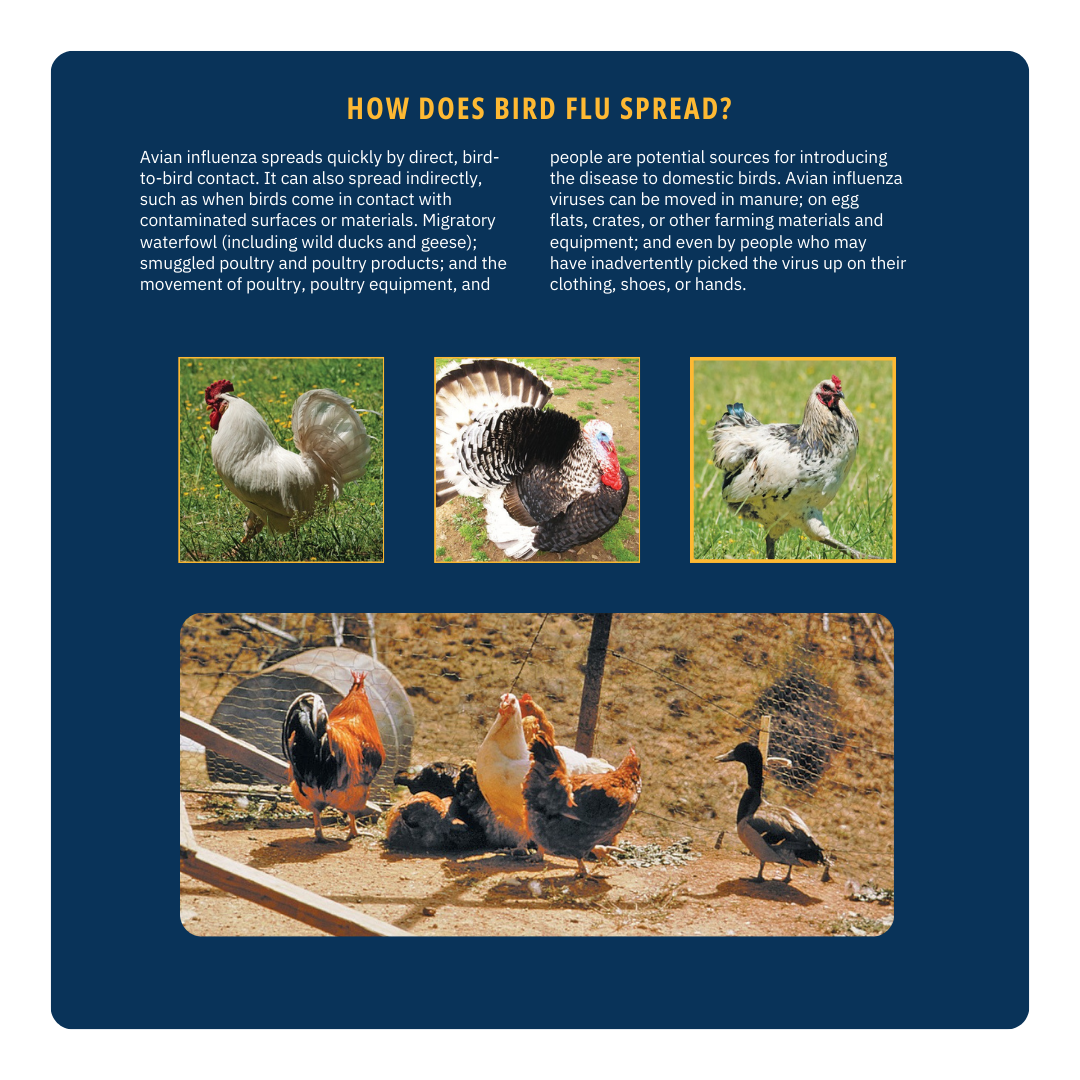
The primary concern to keep an eye out for during this upcoming migration season is the spread of HPAI through wild birds. They shed the virus through saliva, nasal secretions, and feces. Direct or indirect contact with infected birds can quickly spread the disease to your flock.
Signs and Symptoms of Avian Influenza to Look Out For in Your Chickens
As with any disease, recognizing the symptoms of Avian Influenza early can help prevent the spread and potential devastation to your flock. Look for the following signs:
- Sudden and unexplained death
- Decreased egg production or soft-shelled eggs
- Swollen combs, wattles, or legs
- Respiratory distress (coughing, sneezing, nasal discharge)
- Lack of coordination, tremors, or twisted necks
- Loss of appetite and lethargy
- Diarrhea
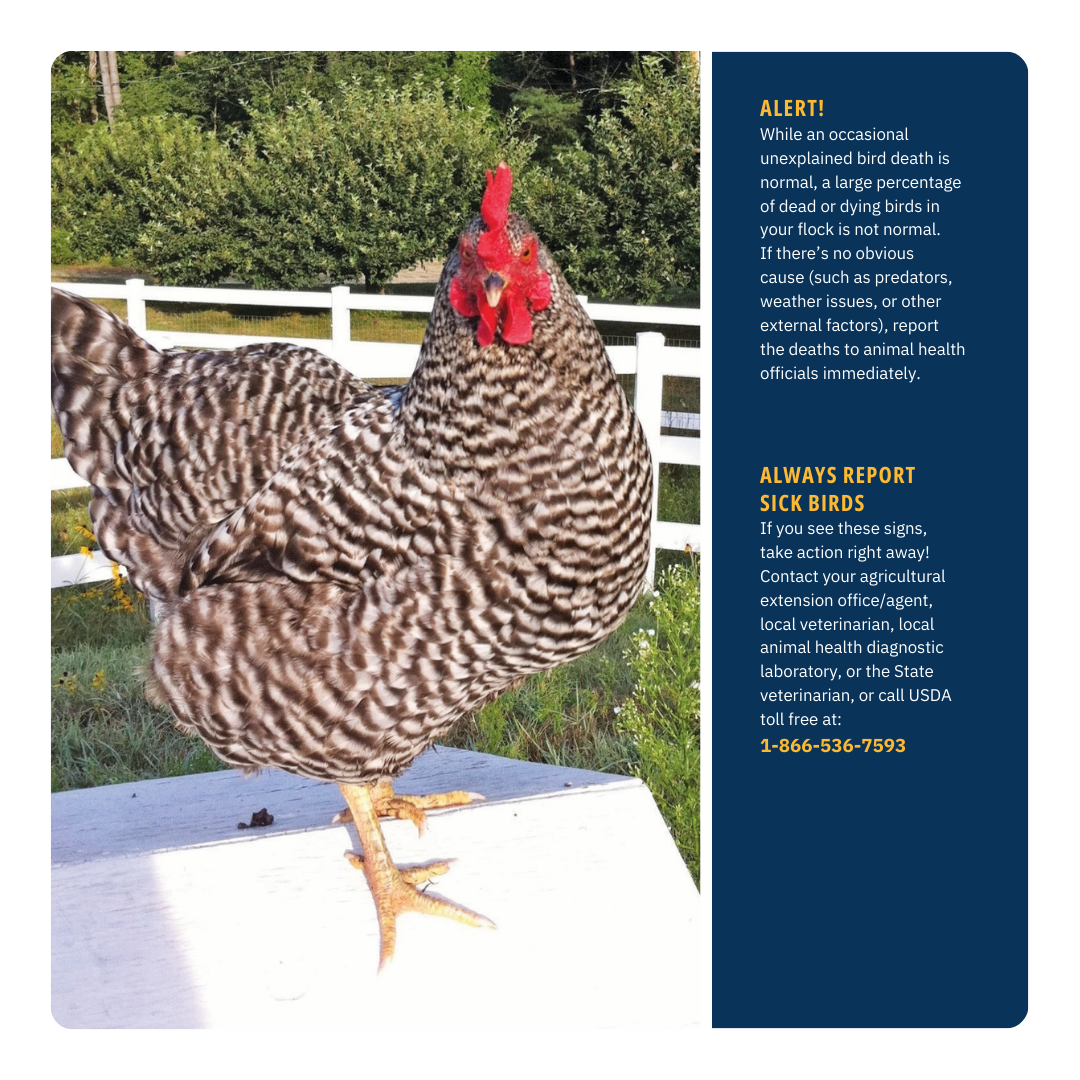
If you suspect an infection, contact your local agricultural extension office or veterinarian immediately.
Safety Measures to Protect Your Flock
The best defense against Avian Influenza is strict biosecurity. Here are key steps to keep your chickens safe:

1. Limit Contact with Wild Birds
Wild birds are the primary carriers of the virus. Reduce the risk of exposure within your flock by:
- Keeping chickens in a covered run or enclosed coop, especially during peak migration periods.
- Eliminating standing water where wild birds may gather.
- Removing bird feeders and water sources that attract wild birds.
- Using netting or wire mesh to prevent wild birds from entering your coop or run.
2. Strengthen Coop and Run Security
A secure environment reduces the risk of disease transmission:
- Regularly check for holes or gaps in fencing.
- Ensure feed and water sources are inaccessible to wild birds.
- Maintain proper ventilation to reduce moisture buildup, which can promote viral survival.
3. Practice Good Hygiene
Maintaining cleanliness is crucial in preventing disease:
- Wash hands thoroughly before and after handling chickens.
- Change footwear and clothing before entering poultry areas.
- Disinfect equipment, tools, and feed containers regularly.
- Avoid visiting other poultry farms or allowing visitors near your flock without proper sanitation.
4. Quarantine New and Sick Birds
Introducing new birds or failing to isolate sick ones can lead to the rapid spread of disease:
- Quarantine new birds for at least 30 days before introducing them to the flock.
- Separate sick birds immediately and monitor their condition.
- Do not share equipment or feed between quarantined and healthy birds.
5. Monitor Flock Health Regularly
Early detection is key to controlling Avian Influenza:
- Conduct daily health checks to identify any unusual symptoms.
- Keep detailed records of any changes in behavior, egg production, or physical health.
- Report any suspected cases to veterinary authorities.
6. Control Movement In and Out of the Farm
Limiting movement reduces the chances of virus introduction:
- Restrict access to your coop to only essential personnel.
- Require visitors to disinfect their shoes and clothing before entry.
- Avoid purchasing birds from unknown or unverified sources.
7. Dispose of Waste Properly
Proper disposal of litter and dead birds minimizes contamination:
- Use biosecure methods to dispose of manure and bedding.
- Compost waste properly and away from the flock’s living area.
- If a bird dies unexpectedly, handle it with gloves and dispose of it according to local guidelines.
Vaccination and Veterinary Guidance
While there is no widely available vaccine for backyard poultry in the U.S., some countries implement vaccination programs for commercial flocks. Work with your veterinarian to determine if any preventive treatments are available in your region.
If an outbreak occurs nearby, follow the guidance of veterinary and agricultural authorities. This may include testing, movement restrictions, or even depopulation in severe cases.
Staying Informed on Avian Influenza Outbreaks
Keeping up with local and national disease reports can help you stay ahead of potential outbreaks. Below are some places you can look to for information.
- USDA Animal and Plant Health Inspection Service (APHIS) updates.
- State agriculture department alerts.
- Poultry industry news and local farming groups for firsthand reports.
By staying informed, you can quickly adjust your biosecurity practices to respond to emerging threats.
Keep Your Birds and Chickens Safe This Migration Season!
Migration season is a critical time for poultry owners to be vigilant against Avian Influenza. By implementing strict biosecurity measures, monitoring for symptoms, and staying updated on outbreak reports, you can significantly reduce the risk of infection in your flock. Prevention is the best approach—protect your chickens with proactive management to ensure their safety and well-being.
With the right precautions, you can continue to enjoy your backyard flock while keeping them safe from the dangers of Avian Influenza during migration season. Our team at Agway is wishing you all the best in keeping your flock safe this season. Feel free to give us a call if you have any questions about preventative measures or best supplies.