
Every year, on the first Saturday of September, bird enthusiasts, nature lovers, and curious minds across the United States gather to celebrate National Hummingbird Day. This year’s holiday falls on September 7th! This special day is dedicated to the appreciation, protection, and education of one of nature’s most fascinating creatures—the hummingbird. These tiny, vibrant jewels of the avian world are a delight to watch and play a crucial role in the ecosystem. Join us as we take a closer look into the wonders of hummingbirds, the significance of National Hummingbird Day, and how you can join in the celebration on Cape Cod.

The Charm of Hummingbirds
Hummingbirds, often referred to as “flying jewels,” are some of the smallest birds in the world. With over 300 species, hummingbirds are typically found exclusively in the Americas, ranging from Alaska to Tierra del Fuego. These birds stretch from our northernmost coasts to the southernmost tip of the Americas. They are especially abundant in tropical and subtropical regions.
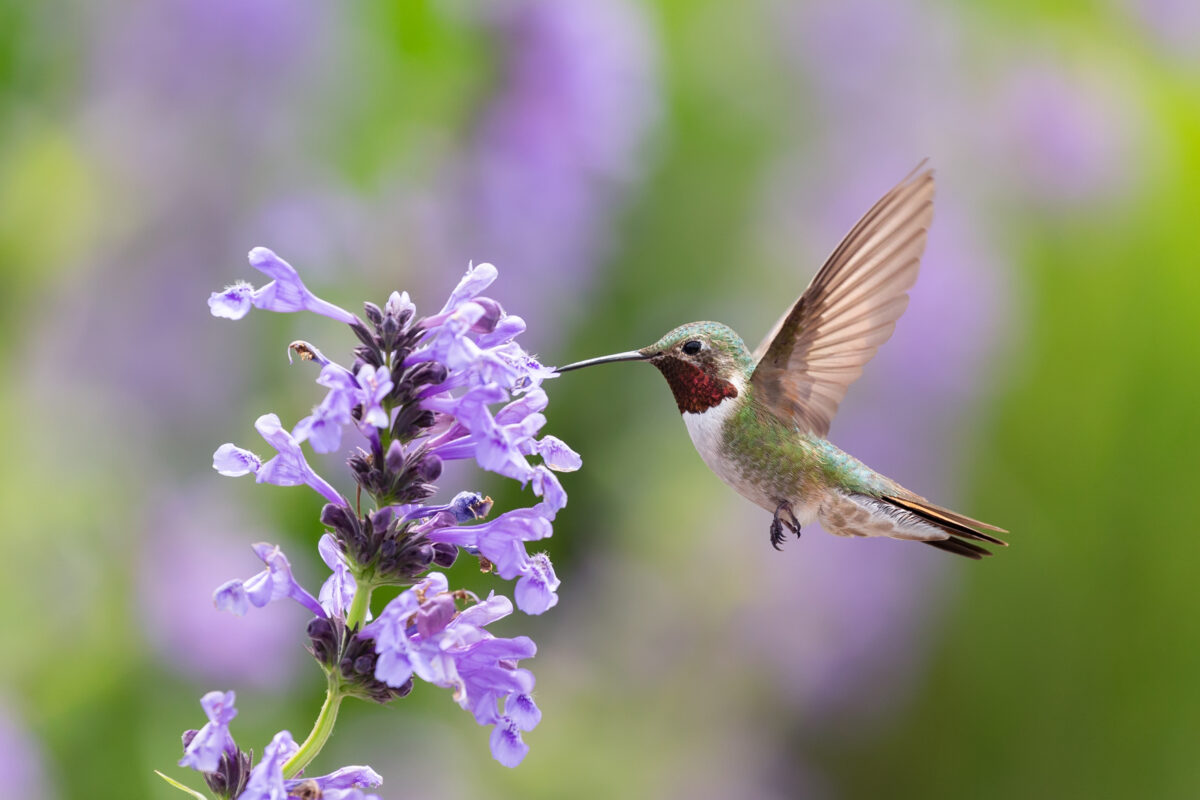
We know hummingbirds from their remarkably fast wings and their bright and colorful feathers. Their iridescent feathers shimmer in the sunlight, displaying a kaleidoscope of colors that can change depending on the angle they are being observed. This dazzling appearance, coupled with their rapid wing beats (up to 80 beats per second!) allows them to hover in mid-air and fly quickly from flower to flower.
Hummingbirds are also known for their incredible metabolism. To fuel their high-energy lifestyle and constant movements, they consume large amounts of nectar from flowers, which provides them with the necessary sugars for energy. In addition to nectar, they also eat insects and spiders for protein. Their long, specialized tongues allow them to extract nectar deep within flowers, making them important pollinators in many ecosystems.
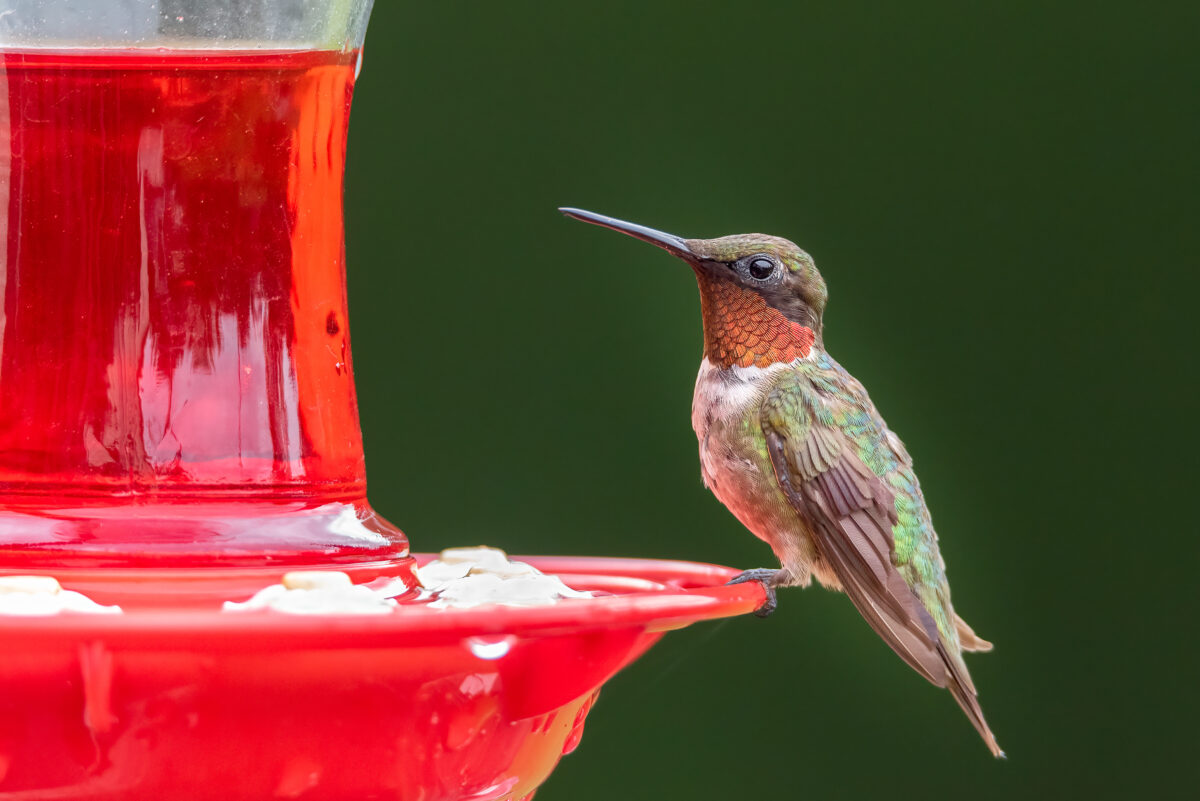
Many of you might put out hummingbird feeders in your hard, which we highly recommend doing! Encourage visits from these adorable and fun to watch birds during the spring and summer months here on the Cape.
The Importance of National Hummingbird Day
National Hummingbird Day serves multiple purposes. It’s a day to raise awareness about the beauty and ecological significance of hummingbirds, promote their conservation, and inspire people to create hummingbird-friendly habitats in their gardens and communities.

Raising Awareness
Despite their miniature size, hummingbirds have a significant impact on the environment. These birds are small but mighty! They are vital pollinators for many plants, including some that are specifically adapted in our environments to be pollinated by them. This relationship between hummingbirds and plants is a fine example of co-evolution, where both species have evolved traits that benefit each other. By pollinating flowers, hummingbirds help maintain the health of ecosystems and contribute to biodiversity.
Unfortunately, hummingbirds face several threats that endanger their populations. Habitat loss due to urbanization, deforestation, and climate change are major concerns across the Americas. The increase of pesticides and the decline of native plant species also negatively impact their food sources. Many of these habitat concerns are not specific to only hummingbirds, as most of us are aware. National Hummingbird Day serves as an opportunity to educate the public about these challenges and the steps that can be taken to protect hummingbirds.
Promoting Conservation
Conservation efforts are crucial to ensure the survival of the hummingbird species. Many organizations use National Hummingbird Day to promote initiatives that protect hummingbird habitats and encourage the planting of native flowers that provide nectar. For example, the planting of pollinator gardens that include a variety of flowering plants can support local hummingbird populations.
On top of that, protecting natural habitats such as forests, meadows, and wetlands is essential for the survival of hummingbirds. Conservationists also work to safeguard migratory routes and wintering grounds, which are critical for the species that travel long distances. It may seem like a lot of work, but small changes and implementations can go a long way for this species, and in turn, these things will help uplift other species who are facing similar issues. We want to keep this sweet and well-known species around as long as we can!
Taking Action
National Hummingbird Day is not just about admiration from a distance; it’s also a call to action. On this day, individuals and communities are encouraged to create environments that support hummingbirds. This can be as simple as setting up a hummingbird feeder in your backyard or planting a garden with native flowers that bloom at different times of the year, ensuring a continuous food supply for hummingbirds.
Educational events, such as guided bird walks, workshops on creating hummingbird habitats, and presentations by ornithologists, are often held on National Hummingbird Day. These events aim to inspire a deeper connection with nature and provide practical knowledge on how to support hummingbird conservation.
What You Can do to Celebrate National Hummingbird Day
There are many ways to celebrate National Hummingbird Day, whether you’re an experienced birdwatcher or new to the world of hummingbirds. Here are some of our ideas to get you started!
Set Up a Hummingbird Feeder
One of the easiest and most rewarding ways to attract hummingbirds to your yard is by setting up a feeder. Hummingbird feeders are designed to dispense a sugar-water solution that mimics the nectar they find in flowers. To make the nectar, simply mix four parts water with one part white granulated sugar. There’s no need to add red dye! Hummingbirds are naturally attracted to the bright red color of the feeder and will spot it from far away.
Be sure to clean the feeder regularly to prevent the growth of mold and bacteria, which can be harmful to hummingbirds, just like it can be to us. Place the feeder in a quiet spot, preferably near flowers or shrubs, where hummingbirds can feel safe while feeding.
Plant a Pollinator Garden
This may sound like a daunting task, but creating a pollinator garden is a great way to support not only hummingbirds but also butterflies, bees, and other pollinators. Choose a variety of native flowering plants that bloom at different times of the year to provide a continuous food source. Some popular hummingbird-friendly plants include bee balm, trumpet vine, salvia, and columbine.
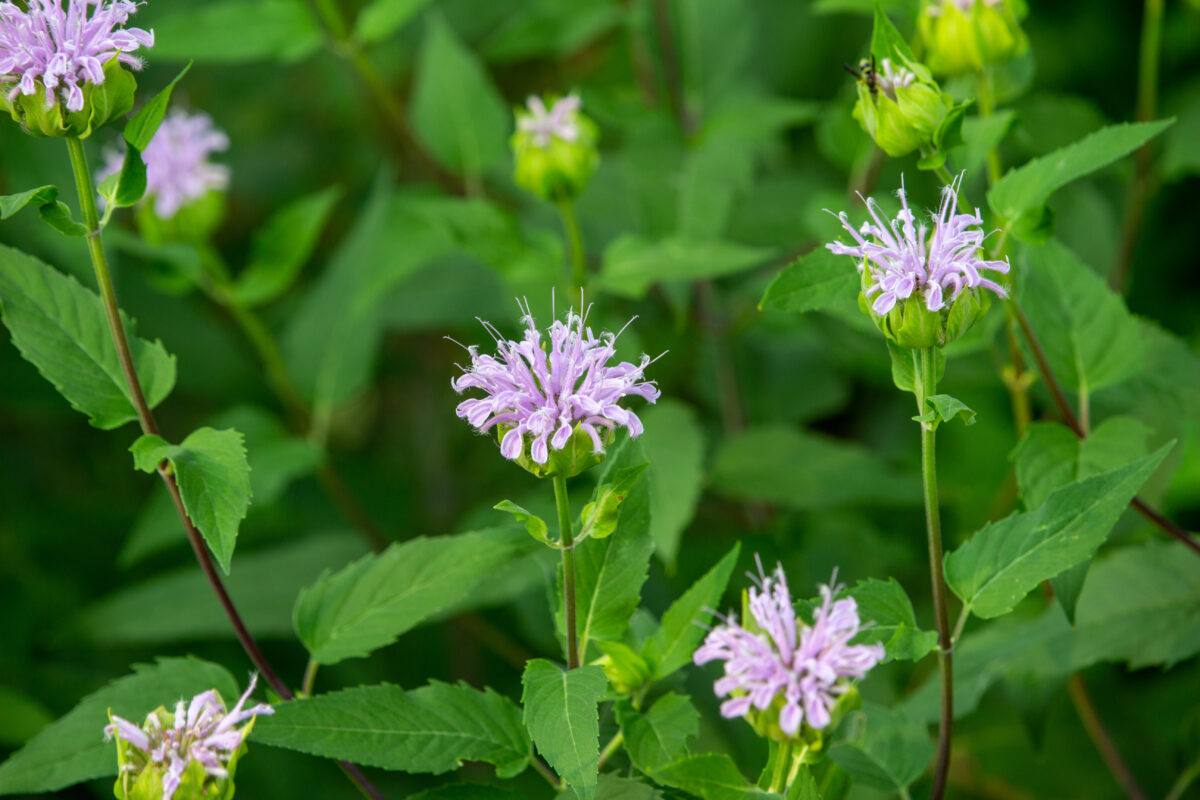
In addition to flowers, consider adding shrubs and trees that can provide shelter and can serve as safe nesting locations. We recommend that you avoid using pesticides in your garden, if you are looking to attract any type of bird or pollinator.
Participate in Bird Watching Events
Bird watching is a popular activity on National Hummingbird Day. Many nature reserves, parks, and wildlife organizations host guided bird walks where you can learn more about hummingbirds and other local bird species. These events are often led by experienced birders who can provide tips on spotting and identifying different hummingbird species.
If you prefer to birdwatch on your own, consider investing in a good pair of binoculars and a field guide to help you identify the hummingbirds you see. Early morning and late afternoon are the best times to spot hummingbirds, as this is when they are most active.
Support Hummingbird Conservation Efforts
Consider donating to or volunteering with local organizations that work to protect hummingbirds and their habitats. Many of these organizations rely on public support to fund research, conservation projects, and educational programs.
You can also participate in citizen science projects that track hummingbird populations and migration patterns. For example, programs like eBird and Journey North allow you to report your hummingbird sightings, contributing valuable data that helps scientists monitor hummingbird populations and movements.
Educate Yourself and Others
Take the opportunity to learn more about hummingbirds and share your knowledge with others. There are many resources available, including books, documentaries, and online articles, that can deepen your understanding of these fascinating creatures.
If you’re passionate about hummingbirds, consider hosting a small gathering or giving a presentation to your friends, family, or community! Sharing your enthusiasm can inspire others to appreciate and protect not only hummingbirds, but other species that are near to their heart.

The Fascination of Hummingbird Migration
One of the most remarkable things about hummingbirds is their migration. Some species, such as the Ruby-throated Hummingbird, undertake long migrations between their breeding grounds in North America and their wintering grounds in Central America. This journey can cover thousands of miles, with some individuals crossing the Gulf of Mexico in a single, non-stop flight that can last up to 18 hours! We’re exhausted just thinking about it.
The timing and routes of hummingbird migration are influenced by factors such as daylight length, temperature, and food availability. During migration, hummingbirds must build up fat reserves to fuel their long flights. This is why it’s especially important to provide nectar sources during the migration seasons in spring and fall. Our birdhouses help them prepare for their treacherous flights! That alone is something we can feel good about.
Observing hummingbird migration can be an unbelievable experience. Many people set up multiple feeders during migration periods to help hummingbirds refuel on their journeys. Tracking the arrival and departure of hummingbirds each year can also be a rewarding way to connect with the natural world and witness the incredible endurance of these tiny birds.
The Symbolism of Hummingbirds
Hummingbirds are famous worldwide, but they hold a special place in the cultures of many indigenous peoples in the Americas. They are often seen as symbols of joy, love, and resilience. In Native American cultures, hummingbirds have always been associated with healing, good luck, and the spreading of love and happiness. The Aztecs loved hummingbirds, believing them to be messengers between the human world and the gods. Warriors wore hummingbird amulets into battle, believing that it allowed them to embody the spirit of the powerful hummingbird.
In many cultures today, the hummingbird continues to be a symbol of beauty, perseverance, and the ability to find sweetness in life. Their ability to hover in place, seemingly defying the laws of physics, can remind us to take a moment to appreciate the present and find joy in the simple pleasures of life.
A Day to Celebrate and Protect our Hummingbirds
National Hummingbird Day is more than just a day to admire these extraordinary and beautiful birds! This holiday is a call to action to protect and preserve the environments they depend on. By participating in the celebration, whether through setting up a feeder, planting a garden, or joining a conservation effort, you are contributing to the well-being of hummingbirds and the health of our ecosystems.
As we continue to learn more about hummingbirds and the challenges they face, it becomes clear that their survival is closely linked to our own. By protecting hummingbirds, we are also protecting the natural world that sustains us all. By doing our minimal part to help the nature around us, we can feel good knowing that we are giving back to the ecosystem in which we all benefit. Seeing beautiful hummingbirds outside of our kitchen windows is a great sight to see as well.
This National Hummingbird Day, our Agway team asks you to take a moment to look outside, listen for the hum of wings, and take in the beauty of these tiny yet mighty creatures! They are, without a doubt, one of nature’s most precious jewels.