

Our lovely home of Cape Cod is an area steeped in rich history, maritime tradition, and a deep connection to the land. From every section of our salt-sprayed shorelines, each corner of the Cape tells a story. And one of the most charming ways to honor this legacy is by planting a Cape Cod heritage garden: a garden that reflects the vegetation, design, and values of the region’s past.
Whether you’re a seasoned gardener or a curious newcomer, planting a heritage garden is a beautiful way to connect with the land and preserve the legacy of Cape Cod’s earliest settlers. Keep reading to learn from our Agway experts about how to start your own!
What Is a Heritage Garden?
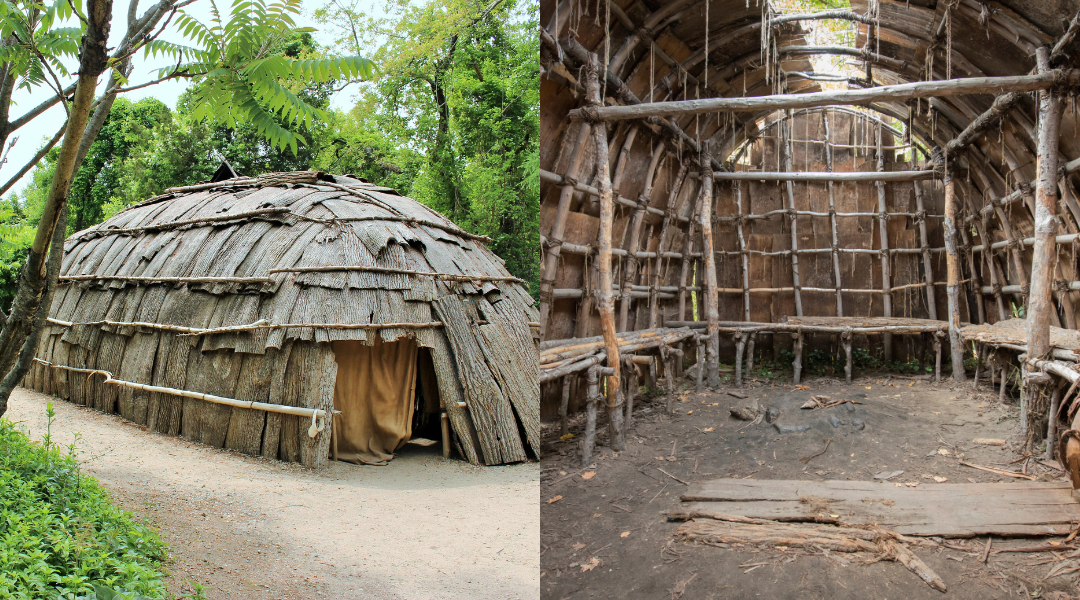
A heritage garden is more than just a collection of pretty plants. It’s an intentional nod to the varieties of flowers, herbs, shrubs, and vegetables that have been historically grown in a region. On Cape Cod, that includes colonial-era kitchen gardens, cottage-style flower beds, and even native plants once used by the Wampanoag people for medicine, food, and ceremony.
These gardens were often practical as well as beautiful, blending usefulness with charm, and you can easily recreate these types of gardens in your own space this year. Now, close your eyes and picture this! Imagine the smell of lavender and rosemary by the kitchen door, sunflowers next to a vegetable patch, and sea holly lining your fence. A Cape Cod heritage garden celebrates sustainability, self-sufficiency, and a coastal aesthetic that feels both timeless and rooted in place.
The Aesthetic of the Cape Cod Garden
Cape Cod’s traditional gardens tend to be modest, naturalistic, and durable. Due to our sandy soils, salty air, and cool ocean breezes, the plants that thrive here need to be tough yet beautiful. Think native shrubs, fragrant herbs, flowering perennials, and weathered wooden structures like arbors and fences.
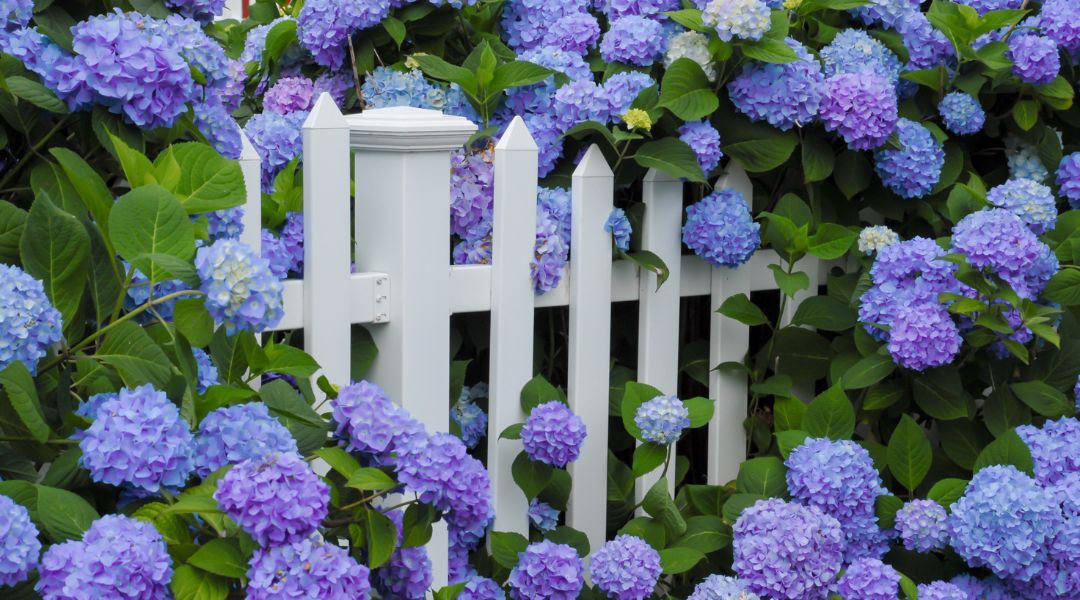
Design-wise, the best way to describe a Cape garden would be that of informal beauty. Rather than strict rows or overly sculpted hedges, you’ll often find curved borders, meandering paths, and plants that spill gently over stones or driftwood edges. Doesn’t that sound like paradise? Let’s dive into exactly how to create this in your yards and open spaces.
Step One: Understanding Your Site
Before planting, take a cue from those who came before us (after all, this is a historical garden) and observe your environment. Colonial settlers and Indigenous gardeners paid close attention to sun, wind, and soil. These are three key factors that still matter today.
-
Sunlight: Most heritage plants prefer full sun (at least 6 hours), though some, like ferns and solomon’s seal, thrive in shadier areas.
-
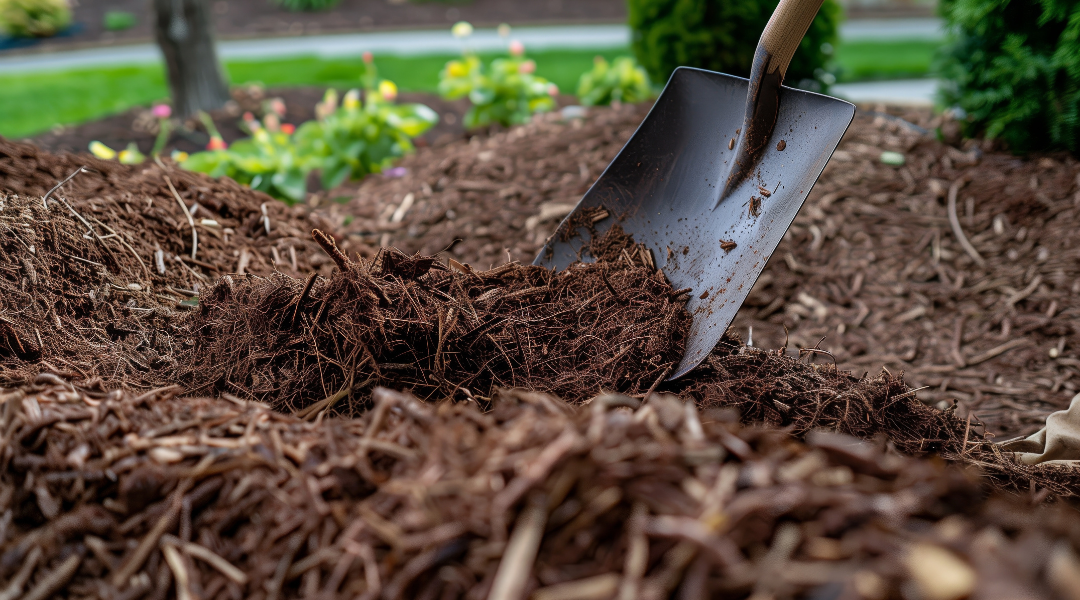
Soil: Cape Cod’s sandy soils drain quickly. Adding compost or organic matter can improve water retention and soil quality without compromising the natural look.
-
Salt & Wind: Choose salt-tolerant and wind-resistant plants to mimic the native plants that have always called Cape Cod home.
Plants with a Past: Cape Cod Heritage Garden Favorites
Here are some plants with historical significance and local relevance. Choose a mix of these for a garden that feels both traditional and tailored to the Cape.
Colonial Herbs & Edibles
The plants listed below were staples in early settler gardens, used for cooking, medicine, and household needs:
-
Lavender – used historically for scenting linens and repelling insects
-
Rosemary & Thyme – culinary and medicinal herbs, often near the kitchen door
-
Chives & Mint – easy to grow and widely used in colonial kitchens
-
Heirloom Vegetables – such as ‘Brandywine’ tomatoes, ‘Bloody Butcher’ corn, or ‘Boston Marrow’ squash

Native Plants
These plants reflect the original landscape of Cape Cod and the deep knowledge of the Wampanoag and other Indigenous peoples:
-
Echinacea (Coneflower) – used medicinally and attractive to pollinators
-
Bee Balm (Monarda) – fragrant, colorful, and historically used for tea
-
Bayberry (Myrica pensylvanica) – used for candle-making; its scent is quintessentially Cape Cod!
-
Switchgrass & Little Bluestem – native grasses that add movement and texture
Classic Cottage Flowers
The blooms below give Cape gardens their soft, nostalgic feel. Mix them in with some of the more traditional and hardy plants listed above.
-
Hydrangea macrophylla – the poster-child Cape Cod shrub
-
Rugosa Roses – salt-tolerant and reminiscent of dune paths by the beach
-
Foxglove & Hollyhocks – tall spires of old-fashioned charm
-
Peonies & Daylilies – perennials with historical roots and a nostalgic appeal
Design Elements That Tell a Story
Incorporating traditional design elements helps your garden feel authentic and connected to the Cape’s heritage. Here are a few ideas:
-
White Picket Fences: Originally practical for keeping livestock out, now a classic aesthetic feature
-
Shell Paths or Crushed Stone: Reflect the coastal environment and help with drainage while adding a fun layer of texture
-
Wooden Raised Beds: A nod to colonial kitchen gardens
-
Weathered Benches or Arbors: Create a space for relaxation and reflection in the garden
-
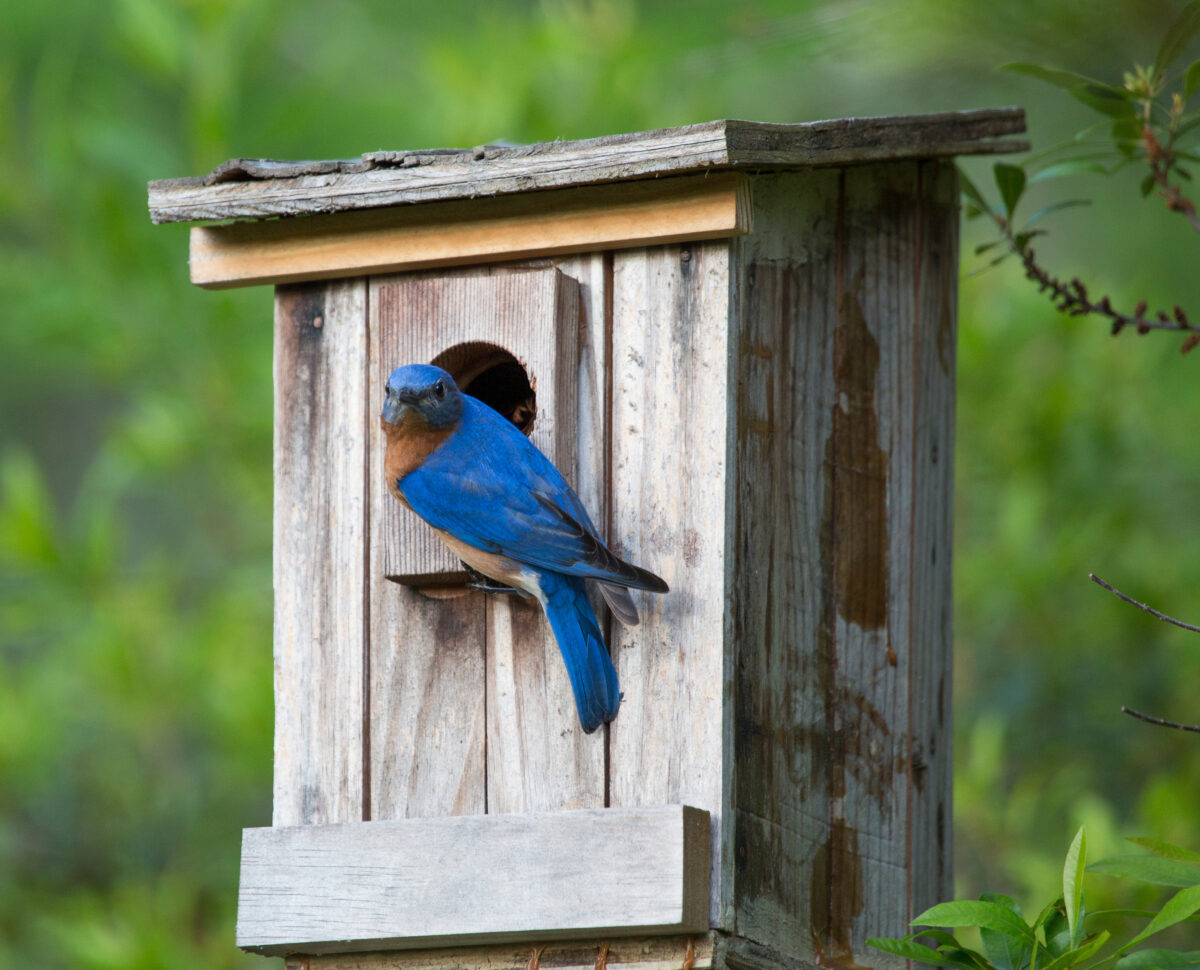
Bee Skeps or Birdhouses: Useful and decorative, these tie in with historical gardening. Attract beautiful birds to your yard or garden and enjoy identifying them and seeing them return
Sustainability and Environmental Protection
A true heritage garden isn’t just about historical aesthetics, it’s about returning to our roots to conserve the environment. Cape Cod’s fragile ecosystems benefit from gardens that minimize chemical inputs, conserve water, and support pollinators.
-
Avoid Invasives: Some common garden plants today (like purple loosestrife) can be invasive. Choose native garden plant varieties instead
-
Water Wisely: Drip irrigation and mulch help reduce waste
-
Support Biodiversity: Plant milkweed for monarchs, echinacea for bees, and fruiting shrubs for birds! Bring a versatile crowd to your historical garden
-
Compost: A traditional and sustainable way to enrich your soil
Honoring the Wampanoag Legacy

As you plan your heritage garden, take time to acknowledge the original people from our land: the Wampanoag people. Their deep botanical knowledge shaped the Cape long before settlers arrived. Many native plants used in heritage gardens, like sweetgrass, sage, and Jerusalem artichoke, were cultivated or gathered by the Wampanoag for generations. Consider incorporating interpretive signage or dedicating a section of your garden to native plants and their traditional uses as a respectful tribute. You’ll walk away feeling more connected to the Cape and our heritage.
Bringing History to Life
Planting a Cape Cod heritage garden is a meaningful way to step into the past while cultivating something vibrant and alive! Each plant tells a store, from colonial survival to Indigenous wisdom and innovation to seaside resilience. As your garden grows, you may find yourself becoming not just a gardener, but a storyteller, carrying forward the traditions that shaped this beautiful coastal place that we all call home.
Whether you’re restoring a centuries-old homestead or creating something new with a historical twist, a heritage garden brings beauty, purpose, and a deep sense of place to your home.

Ready to plant your own piece of Cape Cod history?
Stop by any of our Agway of Cape Cod locations for heirloom seeds, native plants, and expert advice tailored to our unique climate. Let’s dig into the past to grow something beautiful for the future! We look forward to seeing you soon.