
Late September and well into October is the best time to begin planting garlic in your gardens. Garlic, with its pungent aroma and distinctive flavor, is a staple ingredient in kitchens worldwide. But beyond its culinary allure, garlic is also a delight to grow in your garden. If you reside in the northeastern region of the United States, planting garlic can be a rewarding experience given the suitable climate and soil conditions. In this guide, we’ll walk you through the steps to successfully plant garlic in the northeast.
Get your garlic bulbs here.

Choose the Right Garlic Variety
Before you start planting, it’s important to choose the right garlic variety for your region. Hardneck and softneck are the two main types of garlic. Hardneck garlic varieties, which produce a hard stem and have fewer but larger cloves, are typically better suited for colder climates like the northeast due to their winter hardiness. Some popular hardneck varieties for the northeast include ‘German White’, ‘Russian Red’, and ‘Music’.
Prepare the Soil
Garlic thrives in well-drained, fertile soil with a pH level between 6.0 and 7.0. Begin by selecting a sunny location for your garlic patch. Ideally, this spot should receive at least six to eight hours of sunlight daily. Prepare the soil by loosening it to a depth of about 8-10 inches. Remove any rocks, weeds, or debris, and enrich the soil with organic matter like compost or well-rotted manure to enhance its fertility and structure.

Begin Planting Your Garlic Cloves
Planting garlic is typically done in the fall, usually between late September and early November in the northeast, before the ground freezes. Here’s a step-by-step process to plant your garlic cloves:
– Separating Cloves: Carefully separate the garlic bulb into individual cloves, ensuring they remain intact with their papery skin.
– Choosing the Best Cloves: Select the largest, healthiest cloves for planting. These will give you robust garlic bulbs.
-Planting Depth and Spacing: Plant the cloves with the pointed end facing upwards, about 2-4 inches apart and 2 inches deep. Space rows about 12-18 inches apart to allow adequate room for growth.
-Covering and Mulching: Gently cover the cloves with soil and apply a layer of organic mulch, like straw or leaves, about 4-6 inches thick. Mulching helps conserve moisture and protect the garlic from extreme temperature fluctuations.
Provide Adequate Water and Fertilization
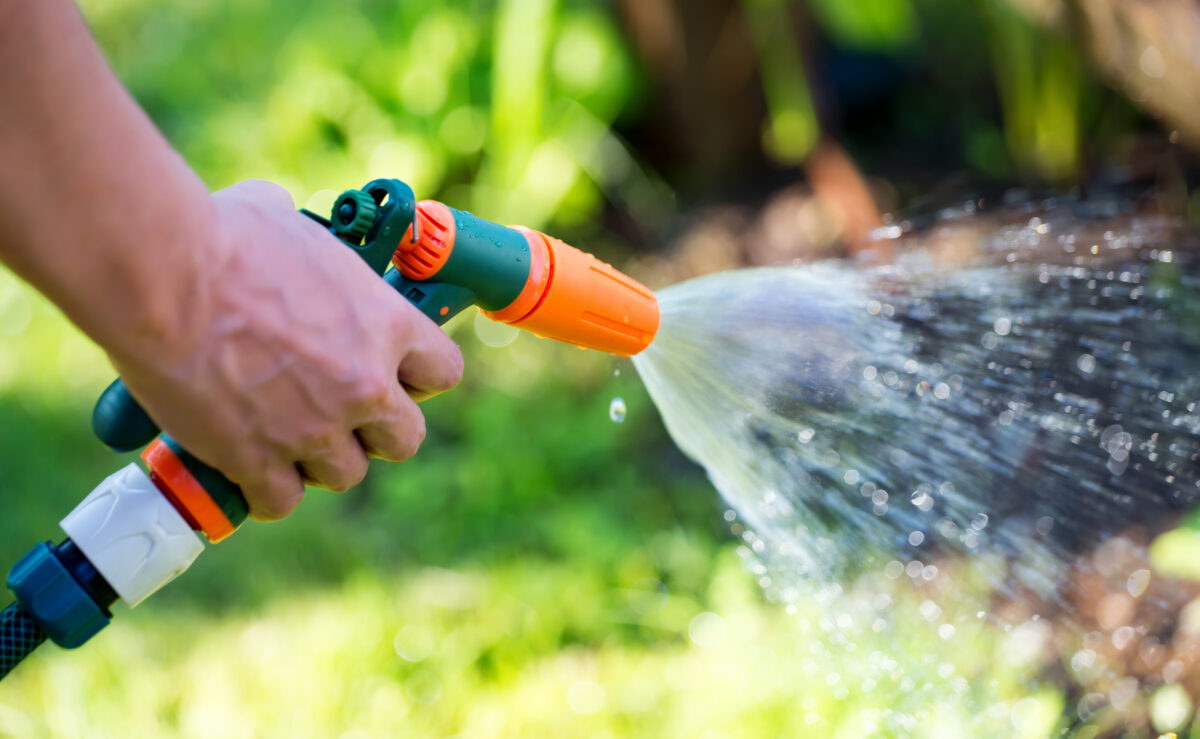
After planting, water the garlic thoroughly to settle the soil and provide essential moisture for the cloves to start rooting. During the growing season, regular watering is crucial, especially during dry spells. Aim for about 1 inch of water per week, either from rainfall or supplemental irrigation.
Fertilize your garlic bed in the spring when the shoots start emerging. Use a balanced, slow-release fertilizer or incorporate compost to provide the necessary nutrients for healthy growth. Avoid high-nitrogen fertilizers, as these can encourage excessive leaf growth at the expense of bulb development.
Manage Weeds and Pests
Weeding is an important aspect of garlic cultivation. Keep the garlic bed free of weeds, as they compete with the garlic for nutrients and can stunt its growth. Regularly check for any signs of pests, such as aphids or thrips, and take appropriate measures to control them. Natural insect-repelling plants like marigolds or companion planting with other vegetables can also help deter pests.
Harvesting and Curing
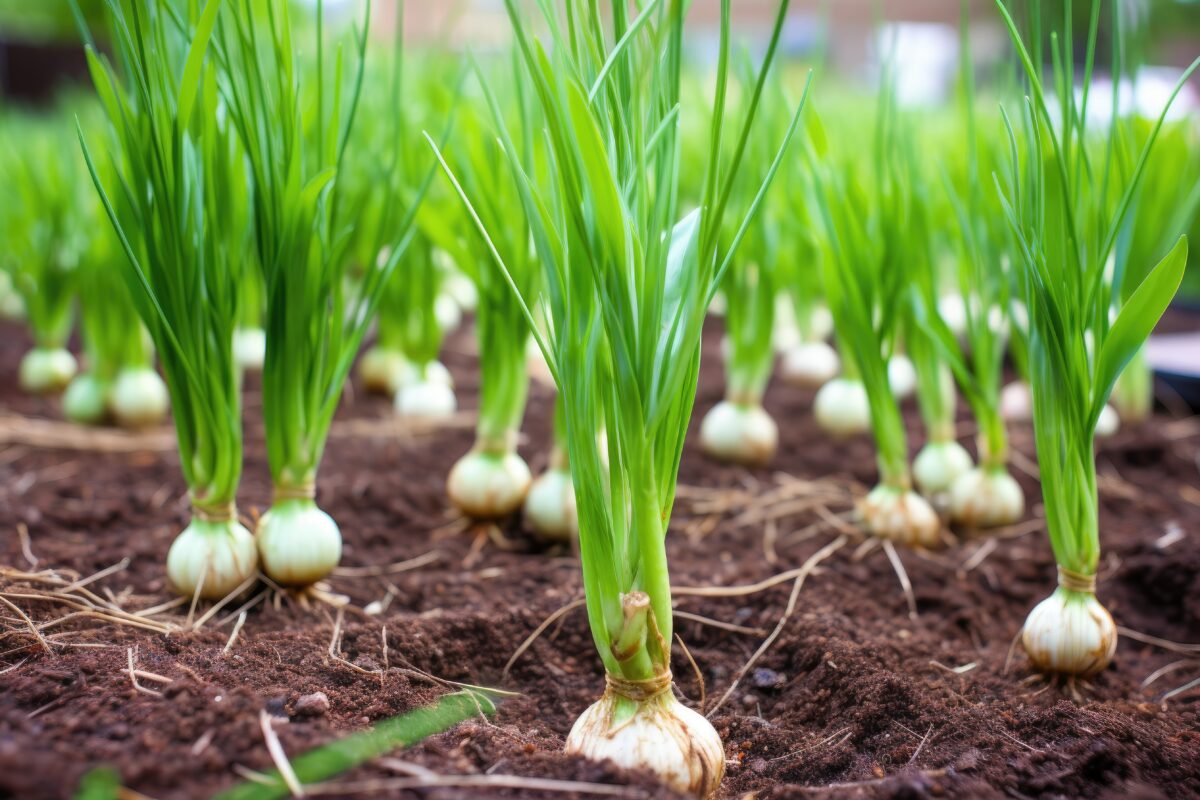
Garlic is typically ready for harvest in late spring to early summer, usually when the lower leaves turn yellow and begin to dry out. Use a garden fork to carefully lift the garlic bulbs from the soil, being cautious not to damage them.
Allow the harvested garlic to cure by hanging the bulbs in a well-ventilated, dry area for about 2-3 weeks. Once cured, trim the roots and store the garlic in a cool, dry place. Properly cured garlic can last for several months, providing you with a fresh supply until the next growing season.
Planting garlic in the northeast can be a satisfying and flavorful addition to your gardening endeavors. By selecting the appropriate garlic variety, preparing the soil, following the right planting techniques, and providing essential care throughout the growing season, you can enjoy a bountiful harvest of this versatile and essential kitchen ingredient. Happy gardening!