

Our beloved Cape Cod is a dream destination in the summer, with greenery as far as the eye can see, but it’s no secret, as we are experiencing now, that our winters can be particularly harsh. Our region’s winters can pose significant challenges to the health and longevity of trees and shrubs. Ice storms, heavy snow, and freezing temperatures can cause extensive damage to your yards, leaving you with broken branches, bent trunks, and stressed plants. However, with proper preparation and care, you can minimize the risks and keep your plants thriving even in the harshest conditions.
Understanding Ice Damage
Ice damage occurs when water freezes on the surface of our trees and shrubs, adding substantial weight to branches and leaves. We see similar damage when we receive large amounts of snow. On Cape Cod, where wet snow and icy conditions are common, the added weight can lead to broken limbs, split trunks, and uprooted plants. Some species are more vulnerable than others due to their structure, wood strength, and growth patterns. For example, broadleaf evergreens like rhododendrons and arborvitaes are particularly susceptible because their leaves and branches tend to hold onto ice and snow.

Preventing Ice Damage
The key to protecting your trees and shrubs from ice damage is preparation! Our team at Agway listed some steps you can take to safeguard your plants. Some of these steps are meant to take place before winter sets in, so be sure to keep these in mind this year as well!
Choose the Right Plants
Select native or hardy plants well-suited to Cape Cod’s climate. Species such as red oaks, sugar maples, and white pines are better equipped to handle winter weather. Avoid planting trees with weak wood, like willows or Bradford pears, in areas prone to heavy ice accumulation.
Prune Regularly
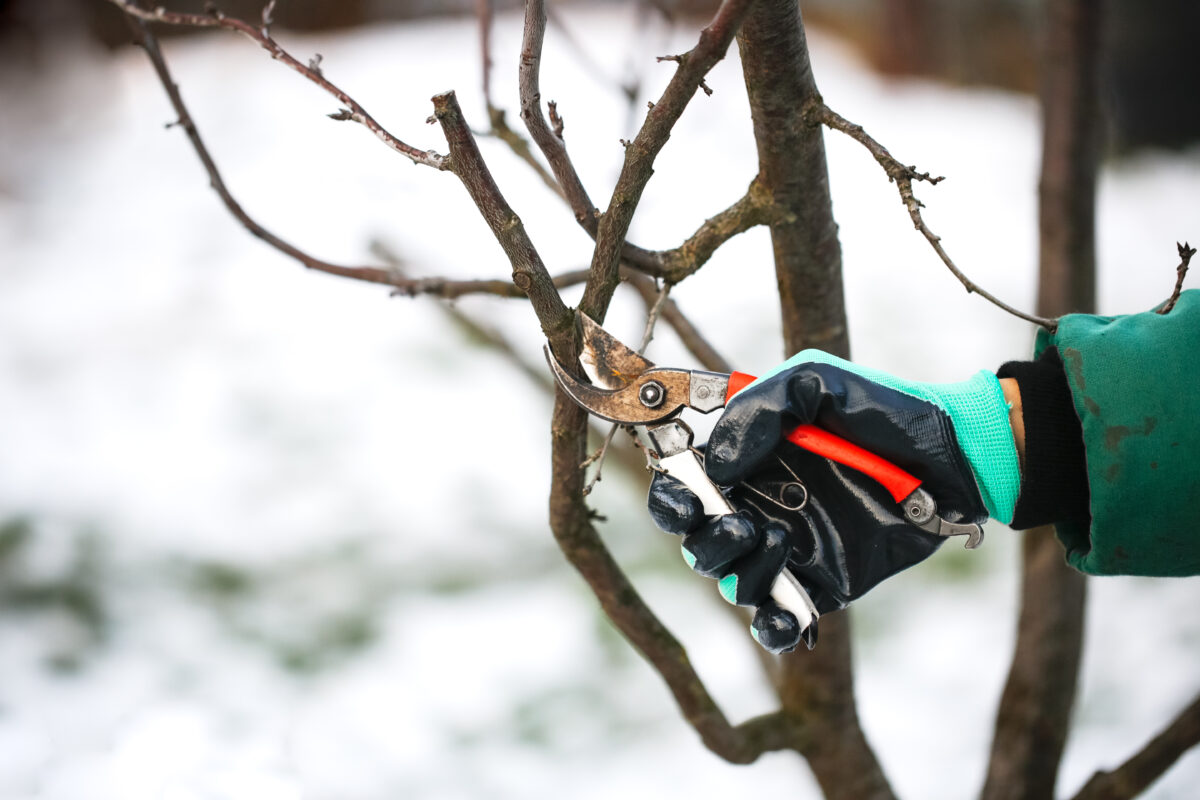
Pruning is one of the most effective ways to prevent ice damage. Remove dead, diseased, or weak branches that are more likely to break under the weight of ice in order to set your trees and shrubs up for success. Shape the tree to promote a strong, balanced structure by eliminating competing leaders and thinning dense canopies. Prune shrubs to create an open form that won’t trap as much snow and ice. If you’re in need of updated pruning tools, we’ve got you covered at Agway!
Provide Support
For young trees and top-heavy shrubs, consider installing stakes or using soft ties to provide additional support. Wrapping shrubs with burlap or netting can help prevent branches from splaying out under the weight of ice and snow. However, be cautious not to wrap too tightly, as this can restrict airflow and can create an environment for rapid disease spread.
Mulch Wisely
Apply a layer of mulch around the base of trees and shrubs to insulate roots and regulate soil temperature. This helps prevent frost heaving, where repeated freezing and thawing push roots out of the soil, making them more vulnerable to damage.
Water Before Winter
Ensure your trees and shrubs are well-watered in the fall before the ground freezes. Proper hydration helps plants endure winter stress and reduces the likelihood of branch breakage.
Avoid Salt Damage
Deicing salts used on roads and sidewalks can harm trees and shrubs. Use sand or non-toxic alternatives for traction near your landscape, and consider planting salt-tolerant species if your property is close to heavily salted areas.

Managing and Responding to Ice Damage
No matter how hard we try, ice damage can still occur. Knowing how to respond quickly and effectively can save your plants from long-term harm.
Assess the Damage
After an ice storm, inspect your trees and shrubs carefully. Look for broken branches, split trunks, or bent limbs. Prioritize any plants that may pose safety risks. This would include plants near power lines, driveways, or other homes and structures.
Remove Ice Carefully
As tempting as it may be, do not attempt to knock ice off branches by force! This can cause further damage. Instead, wait for the ice to melt naturally. For shrubs bent under heavy snow, use a broom to gently brush off the accumulation, working from the bottom up.
Prune Damaged Branches
Use clean, sharp pruning tools to remove broken or hanging branches. Make cuts just outside the branch collar to promote proper healing. For larger branches, you might consider hiring a professional to ensure the work is done safely and correctly.
Stake or Tie Bent Branches
If branches or trunks are bent but not broken, you may be able to maintain them by gently repositioning the branch or trunk and securing it with soft ties or stakes. Check the ties periodically throughout the season to ensure they’re not causing additional stress or damage.
Monitor for Long-Term Effects
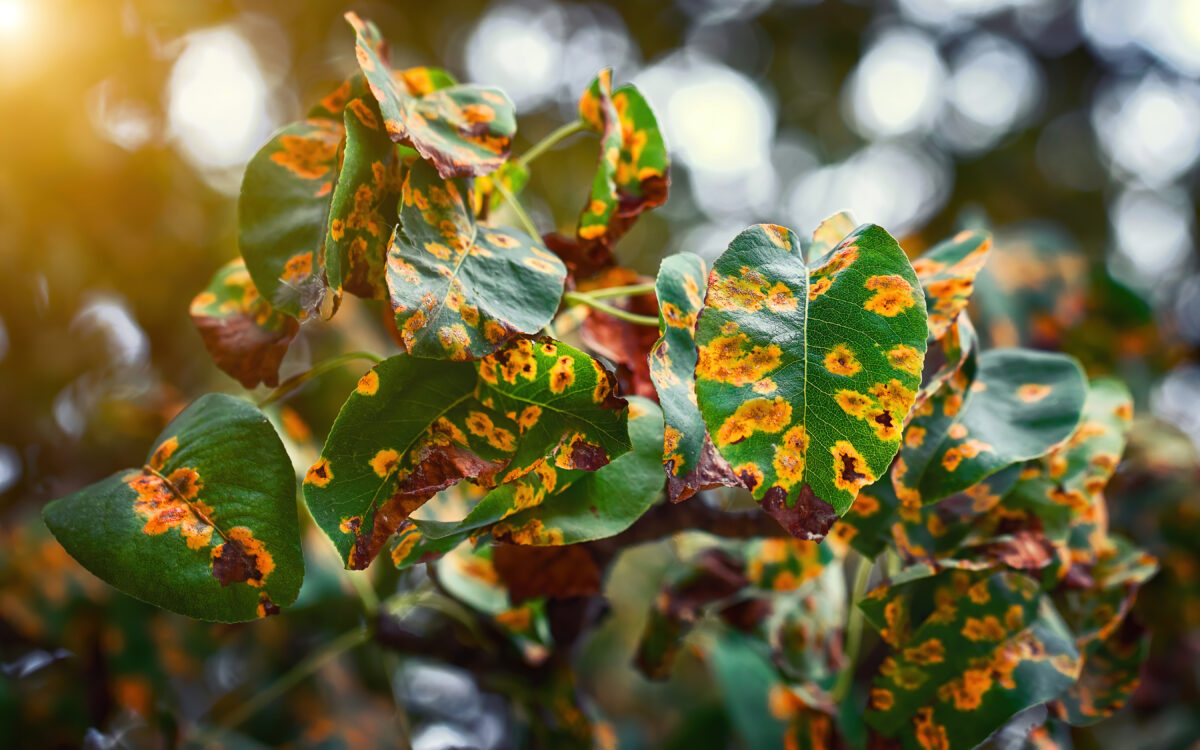
Ice damage can weaken trees and shrubs in more ways than one. Certain types of damage can make them more susceptible to pests and diseases. Keep a close eye on your plants in the months following a storm, and take action if you notice signs of decline, such as discolored leaves, oozing sap, or dieback.
When to Call a Professional
In some cases, ice damage may be too severe for DIY solutions. If a tree poses a safety hazard, has a large split trunk, or requires extensive pruning, it’s best to call a certified arborist. Professionals have the tools, expertise, and insurance to handle hazardous situations safely. You wouldn’t want to further the damage or even injure yourself if you don’t have to!
Cape Cod-Specific Considerations
Our coastal environment here on the Cape presents unique challenges for preventing and managing ice damage. Our region’s sandy soils can make trees more prone to uprooting during winter storms. Additionally, salt spray from the ocean can heighten and exacerbate stress on plants, particularly those that are located near the shoreline.
Here are a few Cape Cod-specific tips:
- Plant Wind-Resistant Species: Coastal winds can compound ice damage. Opt for wind-resistant species like Eastern red cedar and pitch pine.
- Create Windbreaks: Install fences, hedges, or rows of trees to shield your yard from prevailing winds.
- Protect Against Salt Spray: Rinse salt-exposed plants with fresh water after storms to reduce salt buildup on leaves and stems.
The Importance of Planning Ahead
Preventing and managing ice damage to trees and shrubs isn’t just about aesthetics; it’s about maintaining the health and safety of your landscape. A proactive approach can save you time, money, and heartache while preserving the natural beauty of your Cape Cod property.
Start by evaluating your yard today. Identify vulnerable trees and shrubs, plan your pruning schedule, and consider installing protective measures before our next winter storm hits. With the right care and attention, your landscape can weather Cape Cod’s winters and come out strong and vibrant in the spring!

Prepare Your Trees and Shrubs for Winter on the Cape
Though our Cape Cod winters may be harsh, but they don’t have to spell disaster for your trees and shrubs. By understanding the risks, taking preventive measures, and knowing how to manage damage when it occurs, you can protect your landscape and ensure its long-term health. Whether you’re a seasoned gardener or a newcomer to Cape Cod’s unique environment, these tips from our Agway Cape Cod team will help you keep your yard thriving year-round.