
National Treat Your Pet Day is right around the corner on October 30th, so we figured we’d break down a list of safe treats that you can feel good about giving to your VIP family members.
Our furry companions bring endless joy and love into our lives, and what better way to show our appreciation than by treating them to some delicious and safe treats? Whether you have a loyal dog, a playful cat, or a small critter like a rabbit or hamster, there are numerous options to choose from when it comes to pet treats. Below are some great tried and true treat options that are not only mouthwatering for your pets but also safe for their consumption. So, let’s dive in and discover some tasty options to reward your furry friends!
*This blog post lists treat options that are generally accepted to be safe. Please keep in mind that each pet is different and will have their own reactions to food. Please consult with your veterinarian before feeding these treats to your pets.
For Our Dogs

a. Carrot Sticks: Dogs love the satisfying crunch of fresh carrot sticks. Not only are they low in calories, but they are also a fantastic source of vitamins and minerals.
b. Peanut Butter (in moderation): A small amount of peanut butter can be a special treat for dogs. Make sure it’s unsalted and doesn’t contain xylitol, a sugar substitute that can be toxic to dogs. It’s always entertaining to watch them eat the sticky peanut butter too!
c. Blueberries: These antioxidant-rich fruits are a great option for dogs. Just remember to feed them in moderation. Like most dog snacks, too many can upset your pet’s stomach. An upset stomach full of blueberries can lead to a very unwanted berry stain, so be cautious!
d. Pumpkin: This yummy fall vegetable is great for the digestion of dogs. The high fiber that exists in pumpkin acts as a natural laxative for dogs and will help thicken your dog’s stool. If you’re whipping up any good pumpkin recipes in the next few weeks, don’t forget to save some of that pure pumpkin puree for your pooch!
For Our Cats

a. Catnip: Most cats can’t resist the allure of catnip. You can use it as a seasoning for their food or give them a catnip toy to play with.
b. Freeze-Dried Meat: Cats are carnivores by nature, and they often love the taste of freeze-dried meat treats. These are a great way to provide them with some extra protein.
c. Tuna (in moderation): While tuna can be a delightful occasional treat for cats, ensure it’s packed in water and not oil or salt. Also, avoid making it a daily indulgence, as it can lead to nutritional imbalances.
For Our Small Critters (Rabbits, Hamsters, Guinea Pigs, etc.)

a. Fresh Veggies: Many small critters, like rabbits and guinea pigs, enjoy nibbling on fresh vegetables. They’ll enjoy small portions of leafy greens, carrots, and bell peppers.
b. Dried Fruit: Dried fruits like apricots, cranberries, and bananas can be a tasty treat for some small critters. Just be mindful of the sugar content and provide them in moderation.
c. Hay Cubes: Hay is an essential part of many small critters’ diets. Hay cubes are not only nutritious but also a fun way for your pets to exercise their teeth. Try these Critter Cubes!
For Our Parrots
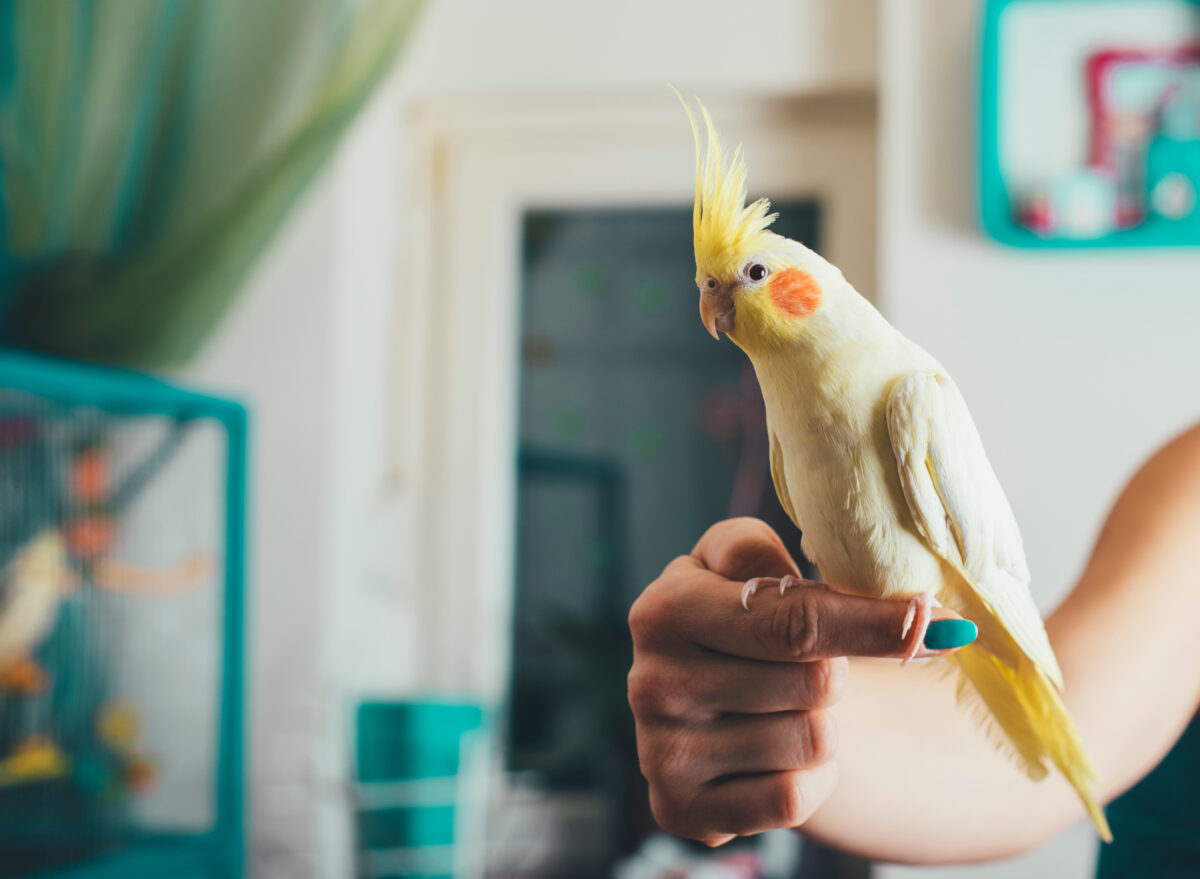
a. Nut Mix: Parrots love nuts, but make sure to offer them unsalted and unsweetened varieties. Almonds, walnuts, and pistachios are some options to consider.
b. Fresh Fruit: Parrots relish fresh fruits like apples, grapes, and berries. These fruits are packed with vitamins and make for an excellent treat.
c. Vegetable Sticks: Carrots, celery, and broccoli can be a hit with parrots. Not only do they provide a tasty snack, but they also serve as a form of enrichment for your feathered friend.
Caution!
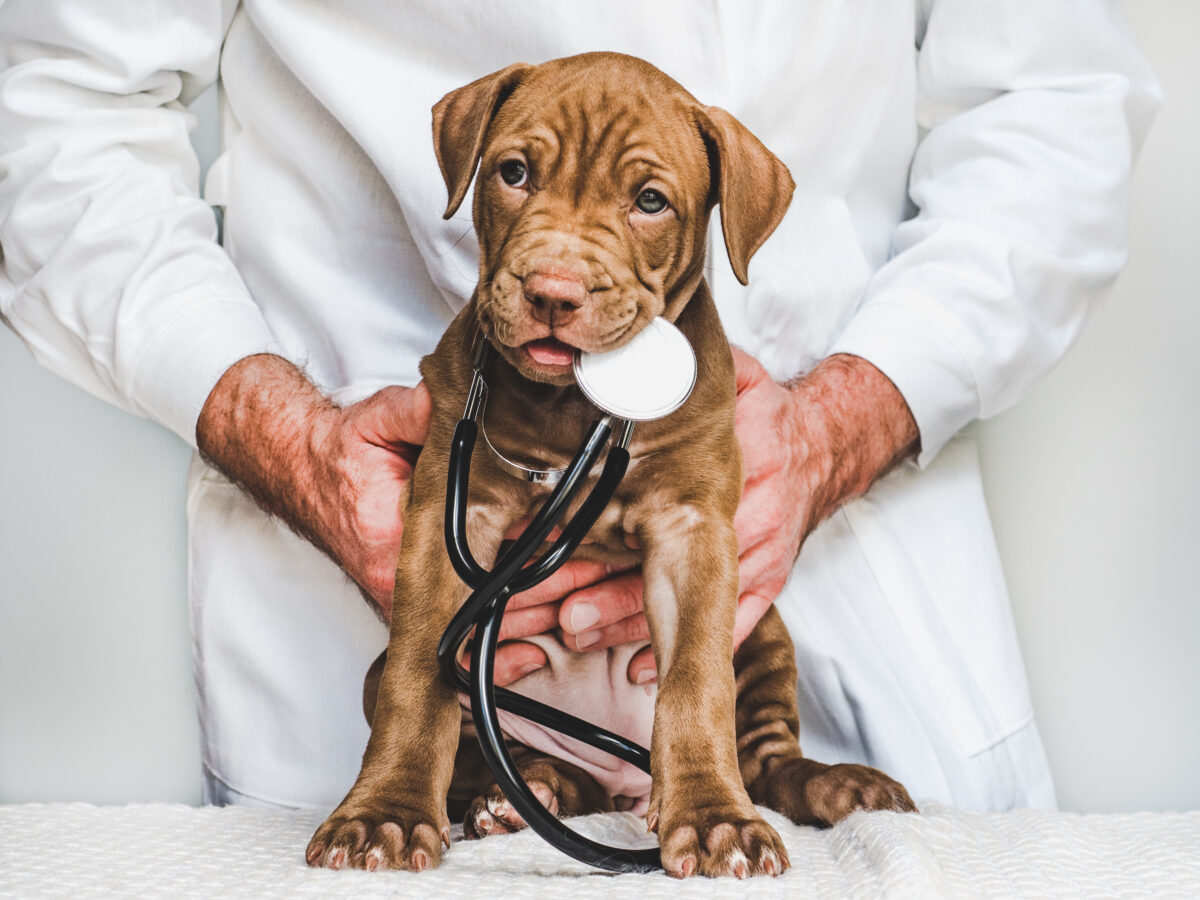
While treating your pets to delicious snacks is a wonderful way to bond and show affection, it’s crucial to be mindful of their unique dietary needs and potential sensitivities. As stated above, please consult with your veterinarian before feeding your pet any of our recommendations! Here are some general tips to ensure you’re providing safe and enjoyable treats for your pets:
a. Portion Control: Treats should only make up a small portion of your pet’s daily caloric intake. Overfeeding can lead to obesity and other health issues.
b. Special Dietary Needs: Some pets may have specific dietary requirements or allergies. Always consult with your veterinarian if you’re uncertain about what’s safe for your pet to consume.
c. Avoid Toxic Foods: Many human foods can be toxic to pets, such as chocolate, grapes, and onions. Familiarize yourself with a list of foods to avoid and keep them out of reach. Here’s a list of toxic foods compiled by the ASPCA.
d. Allergies: Just like humans, pets can have food allergies. Introduce new treats gradually and monitor for any adverse reactions like itching or digestive problems.
e. Treats Are Not a Substitute: Remember that treats should never replace your pet’s regular, balanced diet. They should be an occasional addition to their meals.
Treating your pets to tasty morsels is a great way to strengthen your bond with your pet! And who can say no to those cute, furry faces? By following some simple guidelines and paying attention to your pet’s individual needs and preferences, you can provide them with treats that not only satisfy their taste buds but also contribute to their overall well-being.
Go ahead and share a moment of joy with your pets as you offer them one of these delicious and safe treats. After all, there’s nothing quite like the wagging tail, the soft purr, or the happy chirping of a well-treated pet to brighten your day.