
As we begin to close out summer (don’t worry, it’s not over yet!) September welcomes a season of transition in our lovely Cape Cod. We are approaching the time of year when our local farmer’s markets overflow with a rich variety of produce that reflects the changing season. From juicy apples to hearty root vegetables, early fall is a time to celebrate and taste our abundant locally grown fruits and vegetables. Our Agway Produce Guide will help you navigate what’s in season in and around Cape Cod during September and early fall, offering tips on selecting, storing, and enjoying the best of the season’s produce!
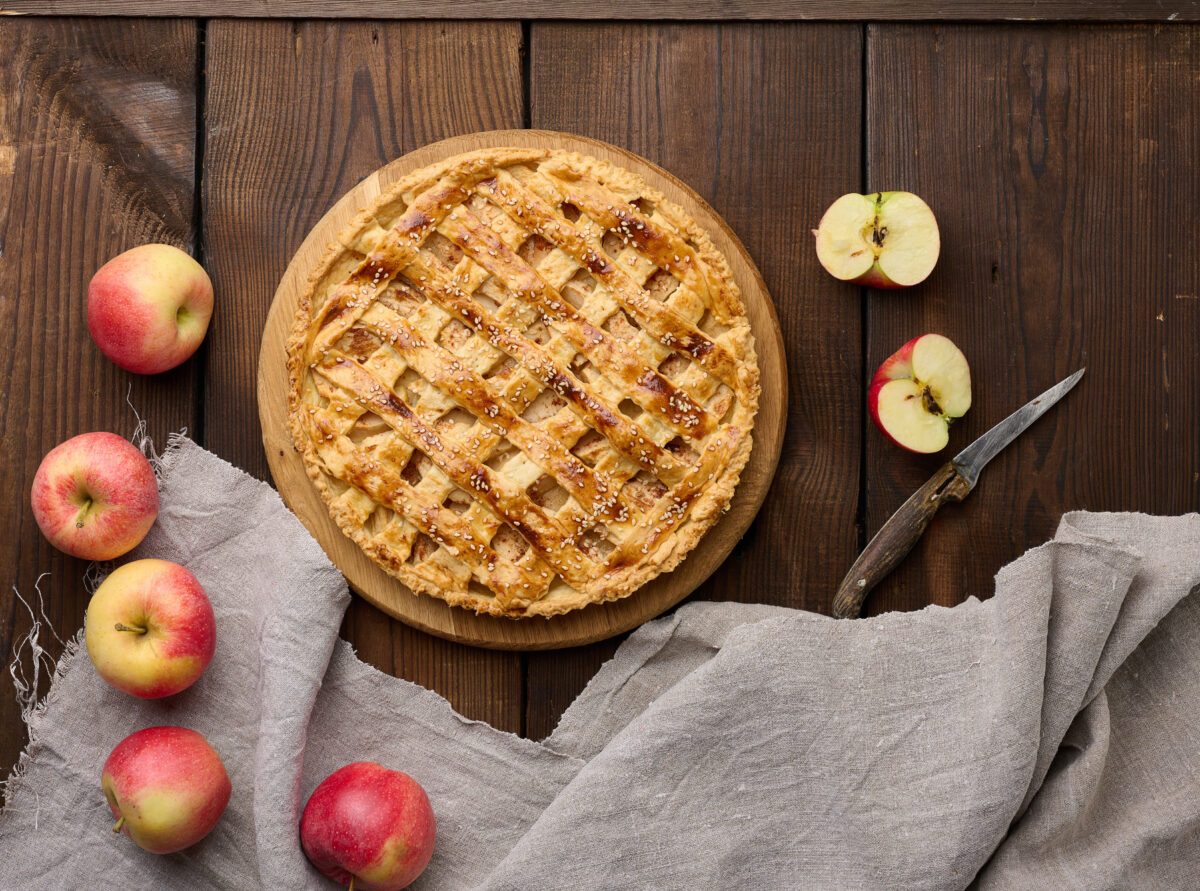
Apples: The Fall Fruit
When you think of fall in the Northeast, apples are likely the first thing that comes to mind. September marks the beginning of apple season, with varieties like McIntosh, Honeycrisp, and Cortland coming into their prime. The Northeast is home to some of the country’s best apple orchards, making it easy to find fresh, locally-grown apples at farmers’ markets and roadside stands.
Don’t Pick a Bad Apple
Look for apples that are firm, unbruised, and have a vibrant color. The skin should be taut and free from wrinkles, which indicates freshness. Different varieties have different flavor profiles: Honeycrisp apples are known for their sweet, crisp bite, while McIntosh apples are slightly tart and perfect for baking.
Store apples in a cool, dark place like a refrigerator or a cool basement. They can last for several weeks when stored properly, making them a versatile fruit to have on hand. Apples can be enjoyed in many forms! Enjoy them fresh, dipped in caramel, or sliced into salads for a sweet crunch. For a warm treat, bake them into pies, crisps, or tarts. Apple cider and apple butter are also quintessential fall favorites that capture the essence of the season. We can already smell the baked apple goods now…
Pears: Sweet and Juicy Delights
Pears are another fruit that comes into season in September. Varieties like Bartlett, Bosc, and Anjou are commonly found in the Northeast, each offering a unique flavor and texture. While pears are often overshadowed by apples, they are equally delicious and versatile.
Pick Your Pear
Select pears that are firm but that are slightly soft near the stem. Unlike apples, pears ripen best off the tree, so if they’re still a bit hard when you buy them, don’t worry—they’ll soften up in a few days.
Pears should be stored at room temperature until they ripen. Once ripe, they can be kept in the refrigerator for up to a week. Pears are delicious when eaten fresh, either on their own or sliced into salads. They also pair beautifully with cheese, particularly sharp varieties like blue cheese or aged cheddar. Have you ever tried a pear and gorgonzola salad? For a cozy fall dessert, poach pears in red wine or bake them into a tart.
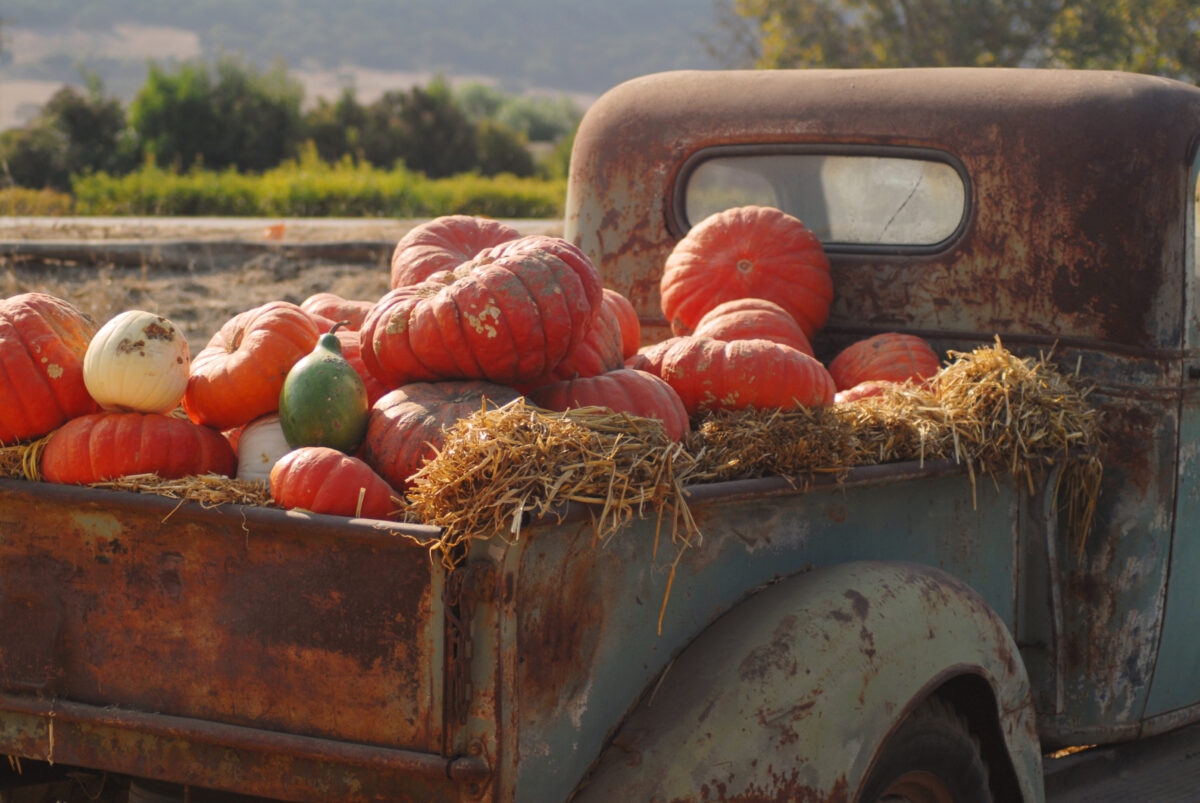
Pumpkins and Winter Squash: Fall Staples
As September progresses, you’ll start to see pumpkins and winter squash appearing at markets. These hardy vegetables are synonymous with fall and are key ingredients in many seasonal dishes. Squash variations like butternut, acorn, and spaghetti squash are popular choices, as are the iconic orange pumpkins used for both cooking and decoration.
Is This the Right Squash For You?
Look for squash that feels heavy for its size, with a hard, intact skin. Much like most produce, try to avoid any with soft spots or blemishes, as these are signs of decay. When selecting pumpkins, choose ones with a sturdy stem and no soft spots. Winter squash and pumpkins can be stored in a cool, dry place for several months, making them a long-lasting addition to your fall pantry.
Winter squash can be roasted, pureed, or stuffed. Butternut squash soup is a fall classic, while roasted acorn squash makes a delicious side dish. Spaghetti squash, when cooked, yields noodle-like strands that can be used as a low-carb alternative to pasta. Pumpkins aren’t just for pie—use the flesh in soups, stews, and even curries for a warm, earthy flavor. It’s also enjoyable to roast salted pumpkin seeds and toss them in salads or nibble on them as a snack.
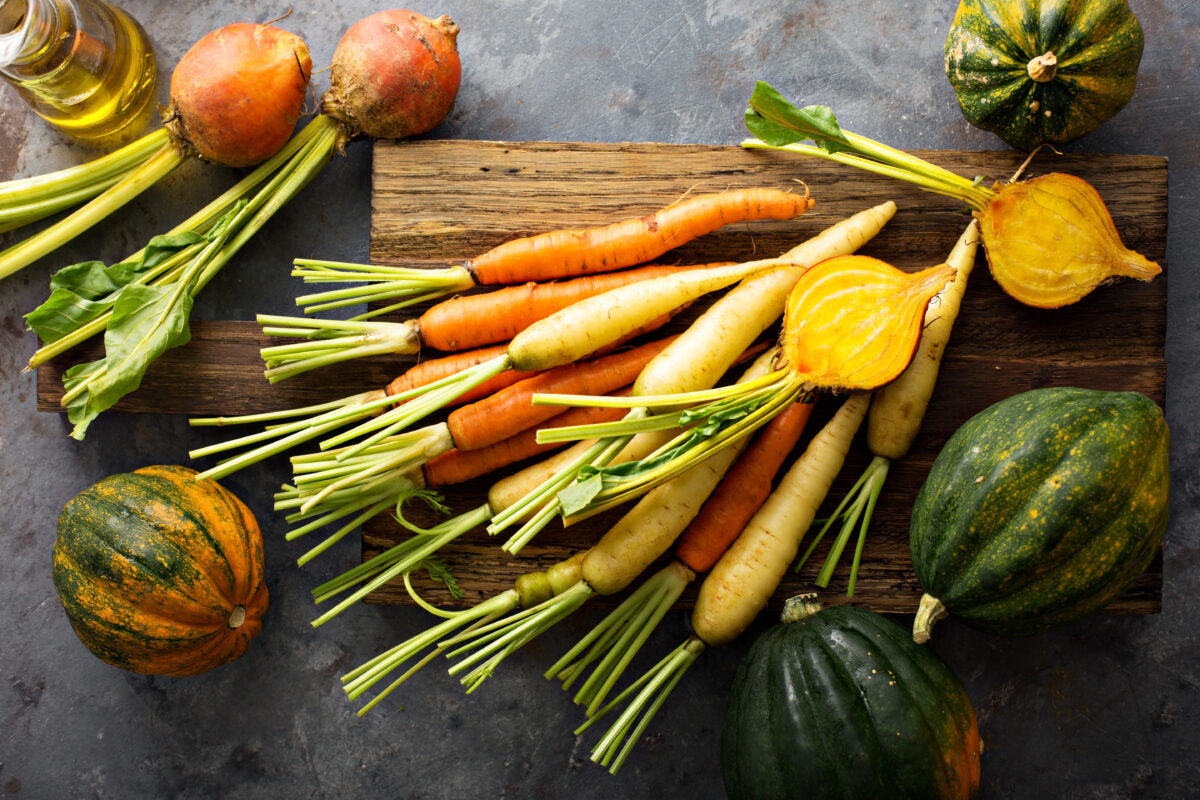
Root Vegetables: Earthy and Nutritious
Root vegetables like carrots, beets, parsnips, and turnips are at their best in the early fall. These vegetables thrive in the cool weather and develop a sweet, earthy flavor as the temperatures drop.
Avoid a Rotten Root Vegetable
Look for firm, unblemished roots with vibrant color. The greens should be fresh and not wilted, which indicates that the vegetables are recently harvested. Store root vegetables in a cool, dark place. Most will keep for several weeks, making them a convenient option for fall and winter cooking. Root vegetables are incredibly versatile and can be roasted, boiled, or mashed. Roasting them brings out their natural sweetness—try a mix of carrots, parsnips, and beets tossed in olive oil and herbs for a delicious side dish. Beets can also be used in salads or pickled for a tangy snack.
Hearty Greens for Cool Weather
As the weather cools, green vegetables like broccoli, cauliflower, Brussels sprouts, and kale come into season. These nutrient-packed vegetables are perfect for hearty fall dishes and are often at their sweetest after the first frost. Look for vegetables that are firm and tightly packed. For Brussels sprouts, select small, compact heads, and for kale, choose bunches with crisp, dark green leaves.
Most cruciferous vegetables should be stored in the refrigerator and used within a week for the best flavor and texture. These green vegetables don’t last as long as other squash and root veggies. Green vegetables can be roasted, steamed, or sautéed. Roasted Brussels sprouts with a drizzle of balsamic glaze are a fall favorite (chef’s kiss!), while kale can be used in salads, soups, or even baked into chips. Cauliflower is incredibly versatile—try it roasted, mashed, or even as a low-carb pizza crust.
Grapes: A Burst of Late Summer Sweetness
Grapes may be more associated with late summer, but they remain in season into September and early fall. Concord grapes, in particular, are a Northeast specialty, known for their deep purple color and intense flavor.
Gather the Sweetest Grapes
Select grapes that are plump, firm, and firmly attached to their stems. Avoid any that are wrinkled or have brown spots. Grapes should be stored in the refrigerator, where they will keep for up to two weeks. Grapes are perfect for snacking or adding to salads for a burst of sweetness. Concord grapes can also be used to make homemade jelly or juice, capturing the essence of the season in a jar.
Have you ever tried frozen grapes? They make for a yummy and refreshing snack when the fall days are still a bit warm.
Peppers – Bringing Summer Heat in to the Fall
Peppers, both sweet and hot, are still in season in early fall. The warm summer months help them develop their flavor, making them a vibrant addition to fall dishes.

Pick the Right Pepper!
Look for peppers with smooth, glossy skin and no soft spots. They should feel firm and heavy for their size. This rule goes for all types of peppers from large bell peppers to smaller peppers. Store peppers in the refrigerator, where they will last for about a week. To extend their shelf life, consider freezing them—either whole or sliced. Peppers are incredibly versatile. Sweet bell peppers can be stuffed, roasted, or used in salads and stir-fries. Hot peppers add a kick to salsas, sauces, and marinades. For a comforting fall dish, try making stuffed peppers with rice, ground meat, and herbs.
Tomatoes: A Versatile Favorite
Tomatoes may be synonymous with summer, but they continue to be in season through September. Heirloom varieties, cherry tomatoes, and plum tomatoes are still available, offering a juicy taste of summer as fall begins. Look for tomatoes that are firm but bend slightly to pressure. They should have a rich, vibrant color and a pleasant smell.
Store tomatoes at room temperature and use them within a few days for the best flavor. Avoid refrigerating tomatoes, as this can cause them to lose their flavor and become soft. Tomatoes are a true kitchen staple. Use them in salads, sandwiches, appetizers, or pasta dishes. Roasted tomatoes make a delicious topping for bruschetta, and a simple tomato sauce can be the base for countless recipes.
Corn: A Taste of Summer’s End
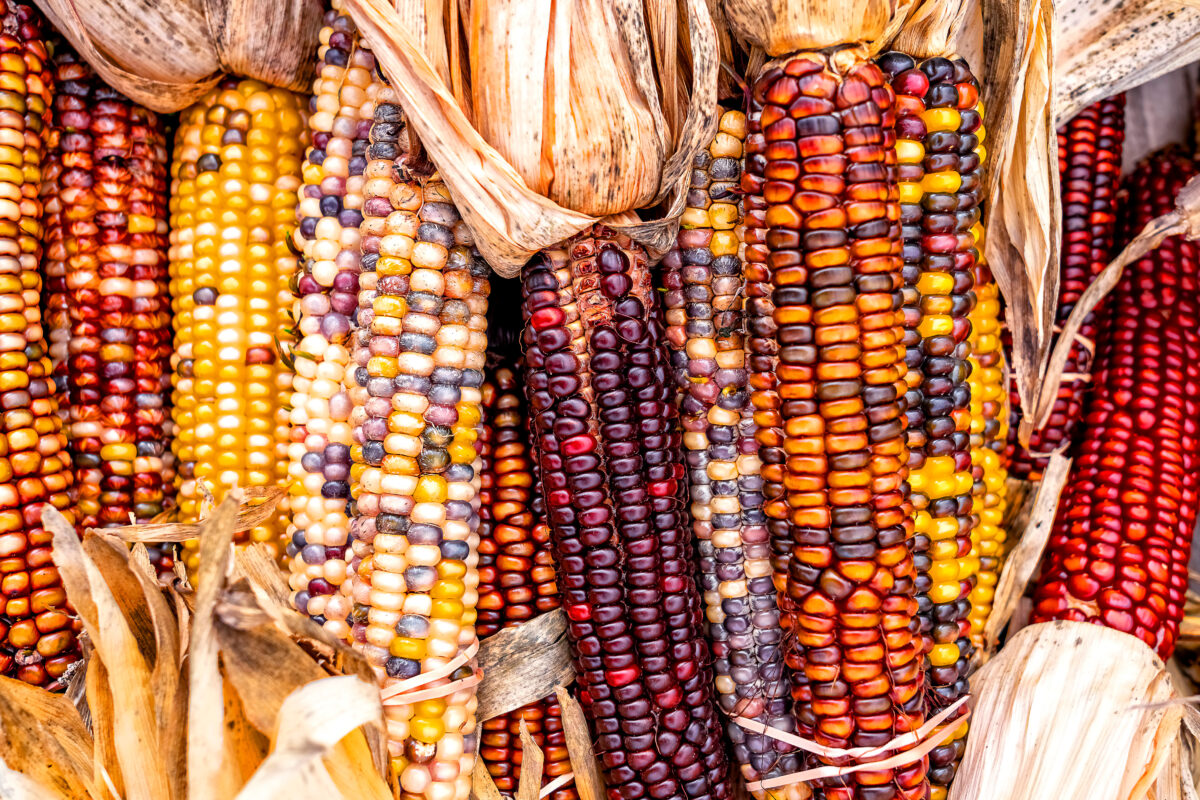
Corn is another late-summer favorite that lingers into September. Sweet and tender, corn is a versatile ingredient that can be enjoyed in a variety of dishes. Corn is synonymous with the American BBQ! As you start firing up your football tailgates, be sure to have this in-season vegetable on deck.
Choosing Corn
Look for ears of corn with bright green husks and plump kernels. The silk should be slightly sticky and light brown in color. Corn is best when eaten as fresh as possible. Store it in the refrigerator with the husks on and use it within a few days. Corn can be grilled, boiled, or roasted. It’s delicious on its own with a bit of butter and salt, or you can cut the kernels off the cob and add them to salads, salsas, and soups.
Herbs: Aromatic Accents
Last but not least, we had to be sure to highlight the fall herbs! As we inch out of August, herbs like rosemary, thyme, and sage come into their own. These hardy herbs thrive in cooler weather and add warmth, character, and depth to fall dishes. Select herbs with vibrant, fragrant leaves. Avoid any that are wilted or discolored.
Store herbs in the refrigerator, either wrapped in a damp paper towel or in a glass of water. They can also be dried or frozen for longer storage. Herbs are a great way to add flavor to your cooking. Rosemary and thyme are perfect for seasoning roasted meats and vegetables, while sage pairs beautifully with squash and poultry.
Fall Produce Farmers’ Markets – Here We Come!
From crisp apples and juicy pears to hearty root vegetables and aromatic herbs, the season provides a rich array of ingredients to inspire your cooking. Embrace the changing season by visiting local farmers’ markets, trying new recipes, and savoring the flavors of fall. Whether you’re baking an apple pie, roasting squash, or enjoying a simple salad of late-season tomatoes and herbs, there’s no better time to celebrate the bounty of the harvest.
At Agway, we’re not quite ready to say so long to Summer, but we sure have a lot to look forward to with the upcoming season in Cape Cod.