
There’s nothing quite like the satisfaction of starting your garden and watching it grow from seed to bloom or harvest. Unfortunately, all of that effort can be undone quickly when pests move in. Aphids, slugs, beetles, and other unwelcome guests can damage or destroy your plants before you even realize there’s a problem. Wouldn’t that be awful after all of your hard gardening work? Well, we have some good news! With the right strategies, you can keep garden pests at bay before they become a real issue.

At Agway Cape Cod, we know how important it is to protect your garden early. Whether you’re growing juicy tomatoes, fragrant herbs, or pollinator-friendly flowers, a healthy start makes all the difference. Here are our top tips for preventing garden pests before they start.
Start with Healthy Soil
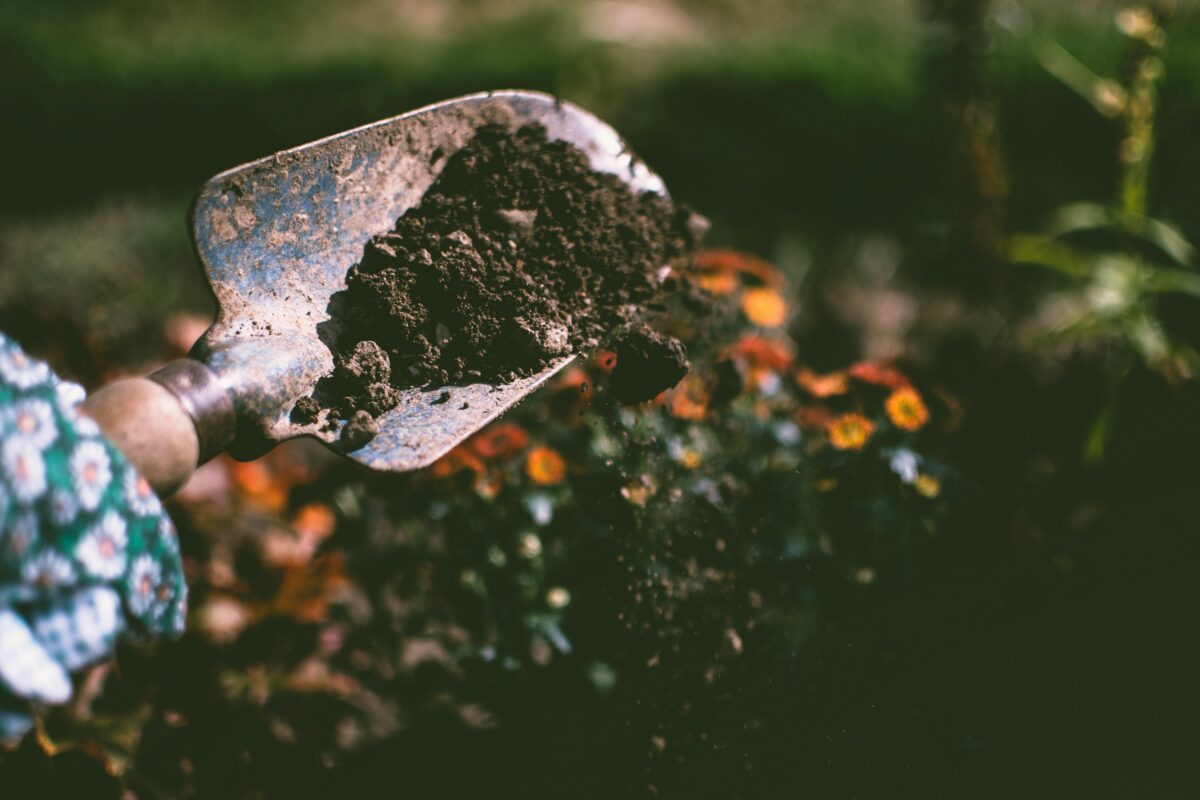
What’s that saying? “The house don’t fall when the bones are good”? Well, the same goes for your garden. Healthy plants start with healthy soil, and healthy plants are naturally more resistant to pests. Well-balanced soil encourages strong root growth, lush foliage, and natural defenses. Before planting, amend your soil with compost or organic matter to improve texture and nutrient levels. You can also bring a soil sample into any Agway Cape Cod location for a quick test and recommendations on what your garden might need.

Pro Tip: Add mulch to help retain moisture, regulate temperature, and create a barrier that deters crawling pests like slugs and cutworms.
Choose Pest-Resistant Varieties
Some plants are more pest-resistant than others. When shopping for seeds or seedlings, look for varieties labeled as “pest-resistant” or “disease-resistant.” These have been bred to stand up better against common issues without needing constant treatment.
Our team at Agway Cape Cod can help you choose varieties that thrive in the Cape’s unique growing conditions and resist local threats, from tomato hornworms to cucumber beetles.
Practice Crop Rotation and Companion Planting

Companion planting is another smart strategy. Some plants actually help protect others by repelling pests or attracting beneficial insects. Here’s a few of our favorite combos:
-
Basil + Tomatoes: Basil repels whiteflies and aphids.
-
Marigolds + Just About Anything: Marigolds deter nematodes and other soil-dwelling pests.
-
Nasturtiums + Squash or Cucumbers: Nasturtiums act as a trap crop, attracting aphids and beetles away from your main plants.
Encourage Beneficial Insects
Let’s face it, not all bugs are bad! In fact, some are your garden’s best friends. Ladybugs, lacewings, parasitic wasps, and praying mantises might not all have names as charming as the ladybug, but they’re very effective at keeping most pest populations in check naturally. At Agway Cape Cod, our experts can find ways to attract these garden helpers with flowering plants, habitat shelters, or even by introducing them directly into your garden.
Adding native plants and herbs like dill, fennel, and yarrow can also encourage the good insects to stick around and do the dirty work for you.
Water in the Morning, Not at Night
Overly damp foliage is a breeding ground for fungal diseases and can attract pests like slugs and snails. Watering in the morning gives your plants time to absorb moisture and dry out during the day. It also gives you a chance to observe any early signs of pests while you tend to your garden.
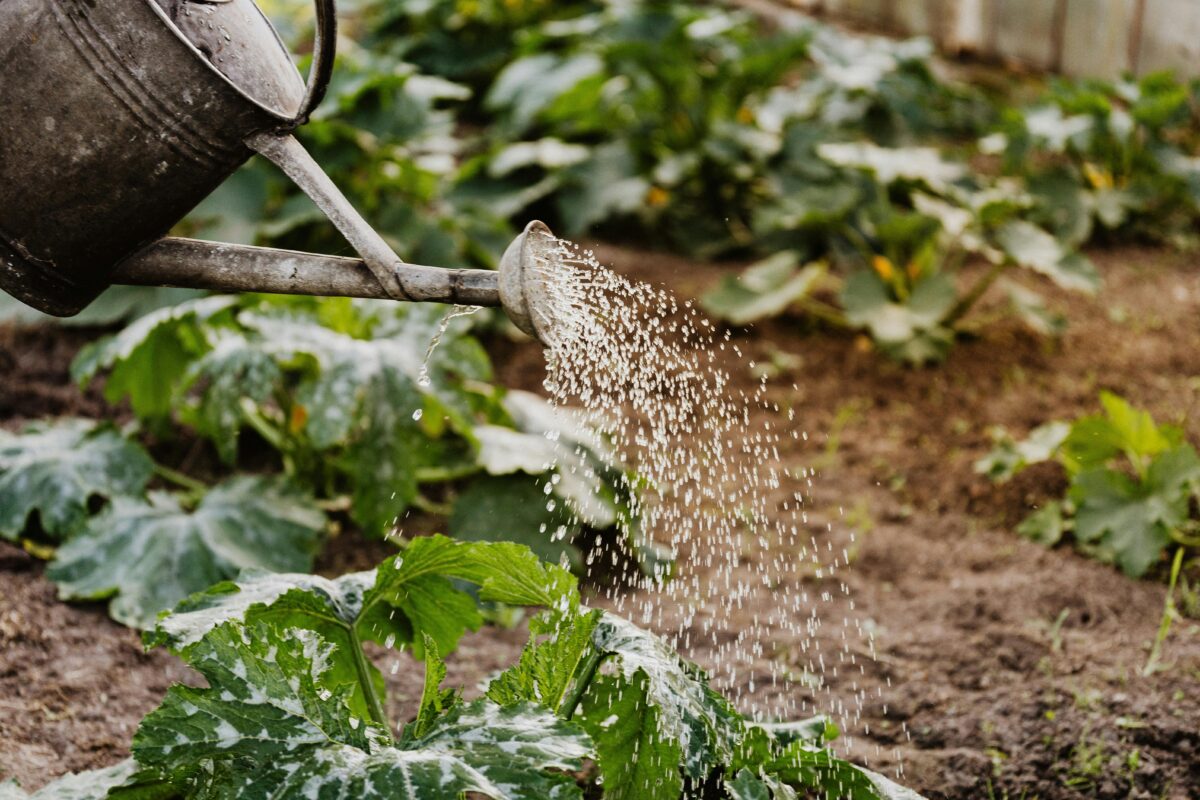
Drip irrigation or soaker hoses are a great option to keep water at the roots. The roots are where the water is needed most, and these systems can focus on the roots without making the leaves too wet in order to attract less pests.
Inspect For Garden Pests Regularly
One of the best defenses against pests is simply keeping an eye on things! As simple as it sounds, it’s the truth. A quick daily walk through your garden can reveal early signs of trouble, like chewed leaves, s
ticky residue, or tiny holes. Catching these signs and symptoms early gives you a chance to act before the problem spreads.
If you’re unsure what you’re seeing, snap a photo and bring it into Agway! We’re always happy to help you identify pests and recommend a solution.
Keep Your Garden Clean
Garden hygiene matters more than you might think. Dead leaves, fallen fruit, and old plant debris can harbor pests and diseases. Be sure to:
-
Remove weeds regularly (they attract pests and compete with your crops)
-
Clear out spent plants at the end of the season
-
Sanitize tools and containers between uses
A tidy garden is not only more attractive, but also less inviting to unwanted critters.
Use Natural Barriers and Organic Solutions
Sometimes physical barriers in a garden are the best defense. Row covers, garden fabric, or cloches can shield young plants from flying insects and crawling pests.
If you do need to take action, look for organic pest control solutions that are safe for bees, butterflies, and your veggies. Neem oil, insecticidal soap, and diatomaceous earth are all great options that we carry at Agway Cape Cod. We can walk you through when and how to use them effectively.
Protect Your Garden from Garden Pests from the Ground Up
Pest problems don’t start overnight, and preventing them doesn’t have to be complicated. By focusing on soil health, strategic planting, and early intervention, you’ll set your garden up for success from the very beginning.
If you’re gearing up for planting season and want to make sure your garden stays pest-free, stop by one of our locations. Our team of gardening experts is here to help with advice, tools, and natural solutions tailored to your specific needs.
Happy planting! And here’s to a healthy, thriving garden!