
Thanksgiving is one of America’s most beloved and special holidays, marked by traditions, gratitude, and a huge feast. While the story of the “First Thanksgiving” is widely told, the deeper history of the holiday, particularly its roots in Massachusetts and even our Cape Cod region, provides a fascinating window into early colonial life, the interaction between Native Americans and settlers, and the evolution of our current American identity.
The Origins of Thanksgiving: A Cape Cod Prelude
We’ve all heard the story about the infamous 1621 harvest feast in Plymouth, Massachusetts one million times, but the origins of Thanksgiving started before this event. The story of Thanksgiving begins with the Pilgrims, a group of English Puritans seeking religious freedom. Before settling in Plymouth, the Pilgrims made their first landing here, on Cape Cod in November 1620 at a location which we now call Provincetown. This moment marked the Pilgrims’ first encounter with the New World, setting the stage for their eventual establishment of the Plymouth Colony.
While exploring Cape Cod, the Pilgrims faced a harsh and foreign environment. They scouted the area for a suitable place to settle, eventually moving to Plymouth, but their time on Cape Cod was filled with pivotal moments in history. Here, they drafted the Mayflower Compact, a document that laid the foundation for self-governance and unity. Our beautiful home of Cape Cod holds an essential place in the early story of the Pilgrims and the values that would shape their community.
The First Thanksgiving: Fact or Fiction?

Massasoit, Great Sachem, Plymouth, MA
The event often referred to as the “First Thanksgiving” occurred in the autumn of 1621. The Pilgrims, having survived a brutal first winter (we’re familiar with those!) that claimed nearly half of the people in their community, celebrated their successful harvest alongside members of the Wampanoag tribe, including their leader, Massasoit. This gathering lasted three days and featured foods such as venison, wild fowl, corn, and squash. This assortment was a far cry from the turkey, stuffing, and cranberry sauce that we enjoy today.
The significance of the feast of the First Thanksgiving goes beyond the menu. It was a moment of fragile cooperation between two extremely different cultures. The Wampanoag played a crucial role in the Pilgrims’ survival, teaching them crucial agricultural techniques and sharing their resources. The spirit of gratitude that defines Thanksgiving today stems, in part, from this exact collaboration.
Cape Cod’s Indigenous History and Legacy
To understand Thanksgiving’s roots here in Massachusetts, we must also recognize the deep history and contributions of the Native peoples of the region that we live in today, particularly the Wampanoag. For thousands of years before European settlers arrived, the Wampanoag thrived in what is now Massachusetts and Rhode Island, including Cape Cod.
The arrival of the Pilgrims was not the first contact the Wampanoag had with Europeans. Earlier explorers and traders had brought diseases that took a heavy and grim toll on the Indigenous populations. By the time the Pilgrims arrived, the Wampanoag were recovering from this devastation. Their willingness to assist the settlers after that devastation was not just an act of generosity but also a strategic move to build alliances in the face of threats from other tribes and European intrusions.
Today, Cape Cod and Plymouth are home to major efforts to preserve and honor Wampanoag culture and history. The Mashpee Wampanoag Tribe, one of the two federally recognized Wampanoag tribes, continues to play a vital role in educating the public about their heritage, ensuring that their story remains integral to the broader narrative of Thanksgiving. If you’re looking to learn more about these tribes, head to their website!
The Evolution of Thanksgiving in Massachusetts
The idea of Thanksgiving as a national holiday did not take root immediately after the First Thanksgiving of 1621. For many years, days of thanksgiving were sporadic and often tied to religious practices. These celebrations were also held to mark specific events such as successful harvests or military victories.
Massachusetts played a pivotal role in shaping the holiday we recognize today. In 1636, the Plymouth Colony declared a formal day of thanksgiving following the end of the Pequot War which was a bold reminder that the Pilgrims’ relationship with Native Americans was not always cordial. These early thanksgivings were emotional and deeply religious occasions, much different from the festive and inclusive holiday we celebrate today.

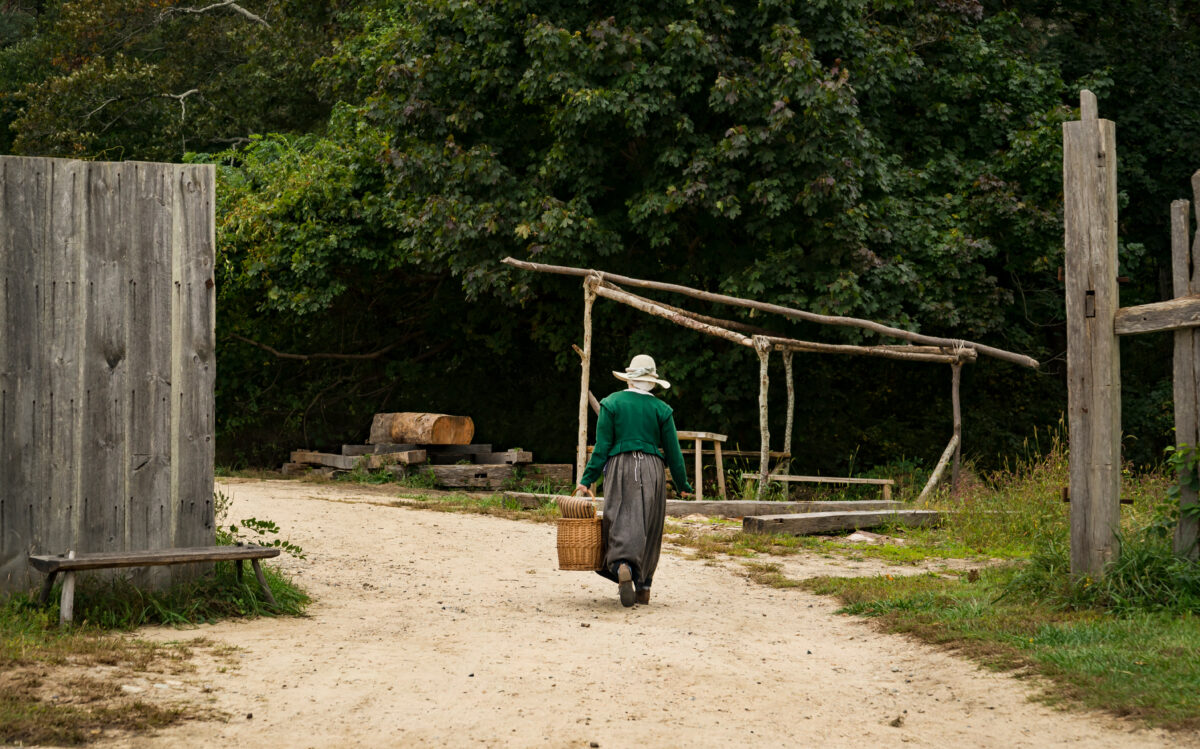
Wampanoag Tribe home in the summer
By the 18th century, Thanksgiving had become an annual tradition, and more of a holiday, in New England. Families gathered to express gratitude, share meals, and reflect on their blessings, as we still do today. Cape Cod, with its tight-knit communities and maritime culture, often celebrated the holiday with an emphasis on local foods such as seafood, alongside more traditional dishes. Does this ring true with your Thanksgivings here on the Cape either this year or historically?
Thanksgiving Becomes a National Holiday
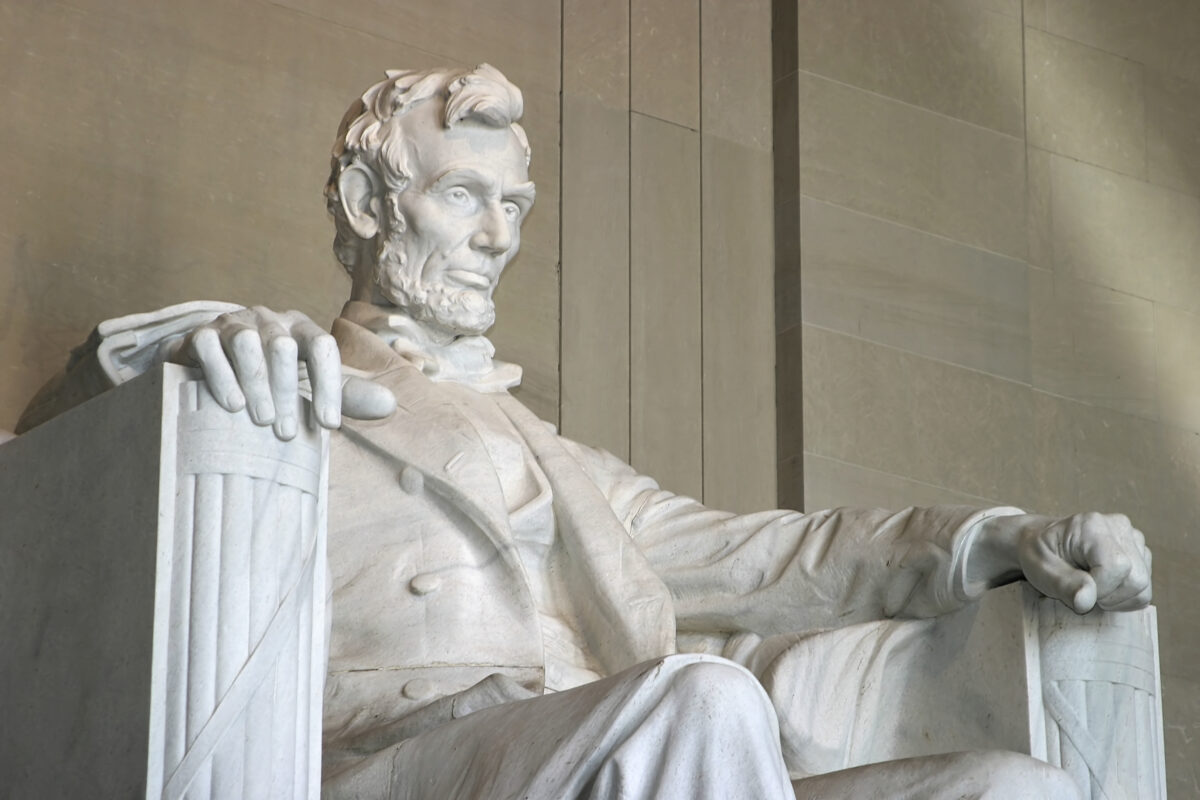
The transformation of Thanksgiving into a national holiday owes much to the efforts of Sarah Josepha Hale, a Massachusetts-born writer and editor. Often called the “Mother of Thanksgiving,” Hale spent much of her time in the 19th century working to establish Thanksgiving as a positive and unifying national holiday. Finally, in 1863, President Abraham Lincoln, during the Civil War, proclaimed a national day of Thanksgiving to be observed in November.
Hale’s vision for Thanksgiving focused on themes of unity, gratitude, and family, which was a stark contrast to the divisions tearing the nation apart at the time of the Civil War. Massachusetts, as a historical and cultural center for the origins of the holiday, played a symbolic role in this vision, bridging the Pilgrims’ story to a broader narrative of resilience and community.
Modern Thanksgiving on Cape Cod
It is truly exciting to live on Cape Cod as it is at the core of Thanksgiving’s history!
Visitors and locals can explore landmarks such as Pilgrim Monument in Provincetown and Plimoth Patuxet Museums in Plymouth, which bring the story of the Pilgrims and Wampanoag to life. Seasonal events, including reenactments of the Pilgrims’ landing and Thanksgiving-themed festivals, draw visitors from across the country. If there are still tickets available for these events, snag them while you can!

Reflections on Thanksgiving’s Legacy
As we celebrate Thanksgiving, it’s important to recognize the complexity of its history. While the holiday is a time for gratitude and togetherness, it also encourages us to reflect on the experiences of Native peoples and the lasting impacts of colonization. Efforts to tell a more inclusive story of Thanksgiving, a story that honors both the Pilgrims and the resilience of the Wampanoag tribe, are gaining momentum. We are lucky to live here in Cape Cod to have access to this history and to have the ability to learn about the full story of Thanksgiving up close.
Thanksgiving in Cape Cod and Massachusetts is more than just a feast; it’s a celebration of heritage, community, and the lessons of history. Whether through a quiet walk along a Cape Cod beach, a visit to a historic site, or a traditional meal shared with your loved ones, the spirit of Thanksgiving endures, reminding us to cherish our connections to the past and to one another.
We hope you are able to celebrate this holiday with your loved ones and reflect on all of the positive things that are present in your life, both big and small. At Agway, we are so grateful to each and every one of you in our community!