
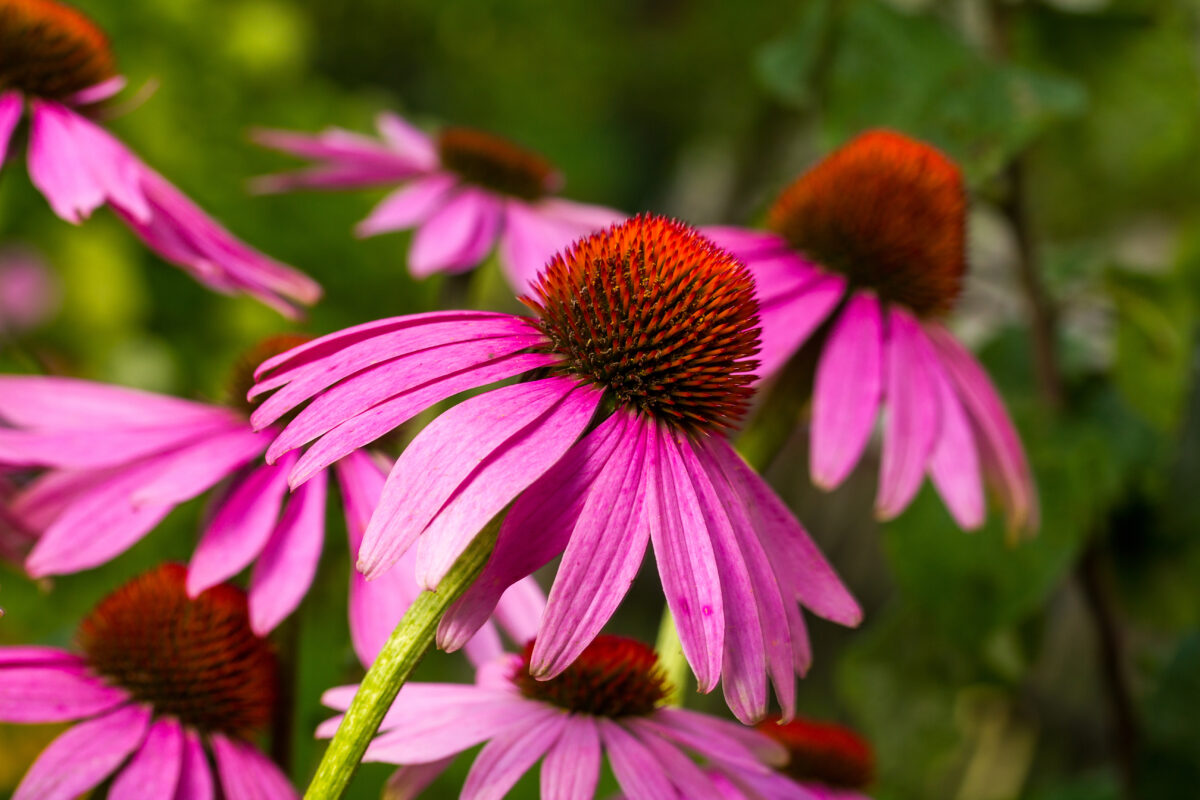
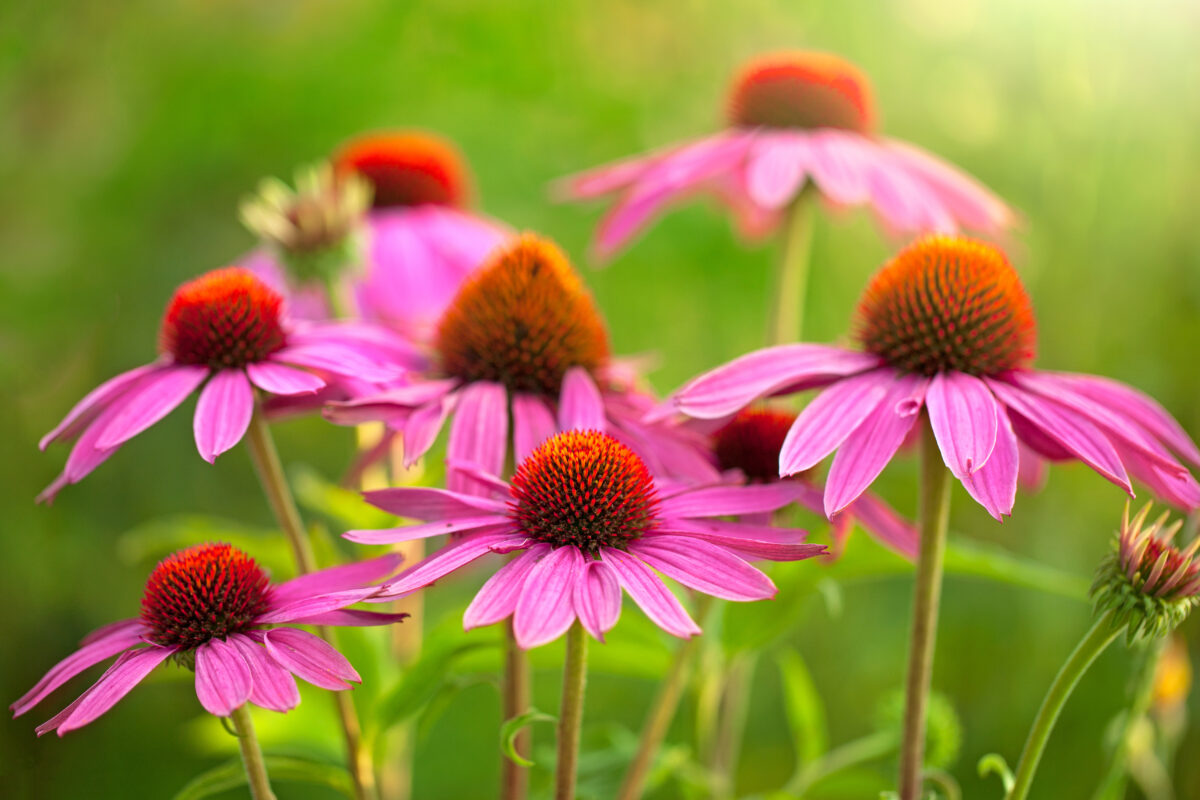
Say hello to our Agway plant of the week: the Echinacea! Echinacea, commonly known as the coneflower, is a type of flowering plant that belongs to the daisy family. The vibrant purple petals and distinctive spiky cone at the center make this flower a popular garden plant that adds beauty and color to any garden or landscape. This beautiful flower is more than just a pretty face!
Historical Background
For centuries, Echinacea has been valued for its medicinal properties and has played a significant role in traditional medicine, especially among the Native American tribes. Today, it remains one of the most widely used herbal remedies, particularly for boosting the immune system and treating colds and flu. Let’s explore the rich history of Echinacea, its various uses, and the scientific evidence supporting its benefits.
Native American Use
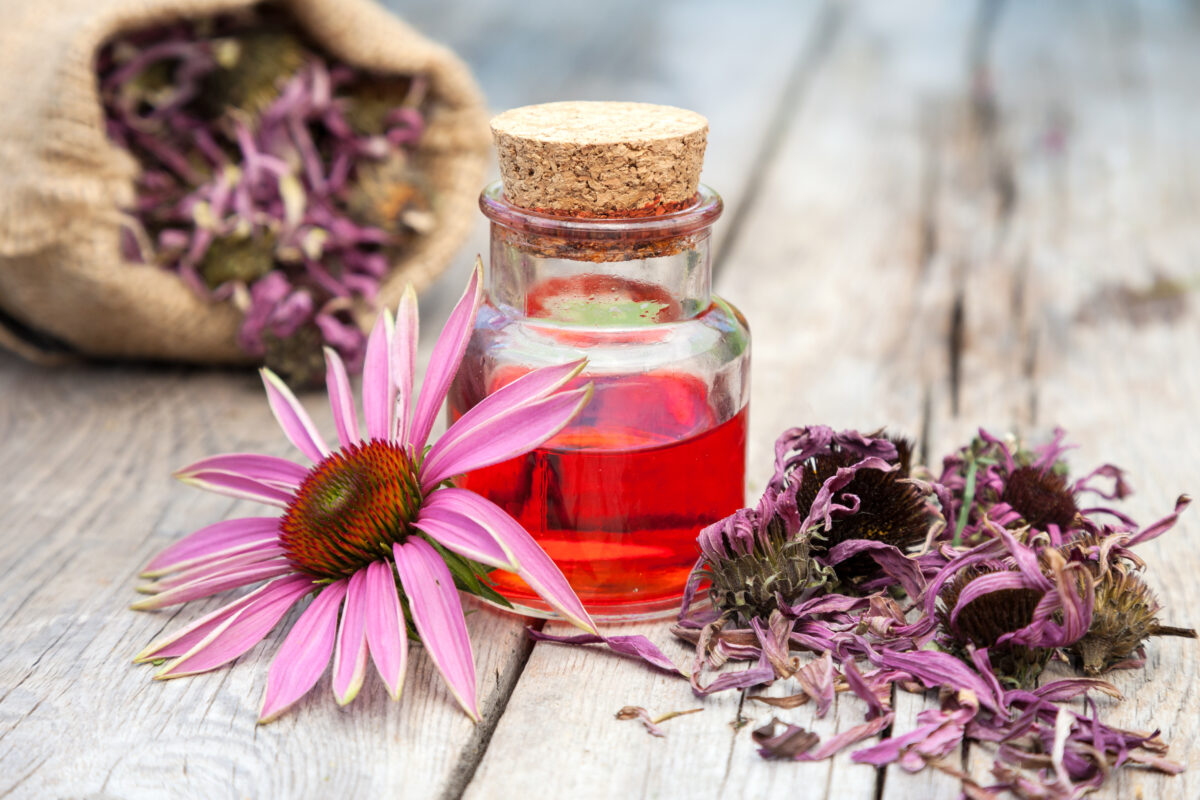
The history of the Echinacea flower dates back hundreds of years, primarily among the Native American tribes of the Great Plains region. The indigenous peoples of this region, such as the Cheyenne, Sioux, and Omaha, were all very familiar with the medicinal properties of Echinacea and used it extensively over time to treat various illnesses. The roots, leaves, and flowers were all used in different forms, including teas, poultices, and tinctures.
For the Native Americans, Echinacea was a versatile medicine. It was commonly used to treat respiratory infections, wounds, and even snakebites. The Cheyenne tribe, for instance, chewed the roots of Echinacea to relieve sore throats, while the Sioux used it to alleviate toothaches. The Omaha tribe made a poultice from the plant to treat burns and insect bites. Echinacea was also believed to have immune-boosting properties, making it a valuable tool for preventing illness and promoting overall health.
European Adoption
Echinacea was introduced to European settlers by Native Americans in the 18th century. The settlers quickly caught onto the medicinal uses of this plant, and it became a popular remedy in American folk medicine. In the late 19th and early 20th centuries, Echinacea became front and center as a treatment for various conditions, including infections, inflammatory diseases, and even syphilis.
The German physician Dr. H.C.F. Meyer played a significant role in popularizing Echinacea in Europe. After learning about the plant’s medicinal properties from the Native Americans, Meyer began promoting Echinacea as a cure-all in the late 1800s. His efforts led to increased interest in the plant, and by the early 20th century, Echinacea had become a staple in European herbal medicine, particularly in Germany.
Modern Uses of Echinacea
Immune System Support
One of the most well-known and widely studied uses of Echinacea is its ability to support the immune system. Echinacea is often used as a preventive measure during cold and flu season, as it is believed to help reduce the duration and severity of symptoms. Several studies have explored the effects of Echinacea on the immune system, with some demonstrating pretty clearly that it can stimulate the production of white blood cells, which play a crucial role in fighting infections.

A meta-analysis published in 2015 reviewed several studies on Echinacea’s effectiveness in preventing and treating the common cold. The analysis found that while Echinacea may have a modest effect in reducing the risk of catching a cold, the evidence was not strong enough to make definitive conclusions. However, other studies have suggested that Echinacea may reduce the duration of cold symptoms by up to 1.4 days. There are still very mixed reviews and opinions in the medical world about how effective this plant is in treating colds and illness. Could some of this hype be placebo?
Anti-Inflammatory and Antioxidant Properties
Echinacea also exhibits anti-inflammatory and antioxidant properties, making it a valuable remedy for various inflammatory conditions. The plant contains a variety of bioactive compounds, including flavonoids, alkamides, and phenolic acids, which have been shown to reduce inflammation and neutralize free radicals in the body.
These properties make Echinacea useful in treating conditions such as arthritis, skin inflammations, and respiratory infections. In traditional medicine, Echinacea has been used topically for hundreds of years to soothe skin irritations, burns, and insect bites. Its anti-inflammatory effects can help reduce swelling and redness, while its antioxidant properties can promote skin healing.
Echinacea in Modern Herbal Medicine
Today, Echinacea is available in various forms, including capsules, tablets, teas, tinctures, and topical ointments. It is commonly found in health food stores, pharmacies, and online retailers. Many people use Echinacea as a natural remedy to boost their immune system, especially during the winter months when colds and flu are more prevalent.
In addition to its immune-boosting effects, Echinacea is also used to support overall wellness. Some people take Echinacea supplements regularly to enhance their energy levels, improve digestion, and promote healthy skin. The plant’s anti-inflammatory and antioxidant properties make it a popular choice for those seeking natural ways to maintain their health and well-being.
Scientific Evidence and Controversies
While Echinacea has a long history of use in traditional medicine and is widely used today, the scientific evidence supporting its benefits is mixed. Some studies have shown positive effects, particularly in immune support and reducing the severity of colds, while others have found little to no benefit.
Research on Echinacea and the Common Cold
As we have stated many times throughout this article, one of the most common uses of Echinacea is for preventing and treating the common cold. However, research findings on its effectiveness have been inconsistent. Some studies have suggested that Echinacea can reduce the likelihood of catching a cold and shorten its duration, while others have found no significant benefits. There is some controversy around the effectiveness of this flower in medicine. Sure, it may help with general wellness and act as a preventative measure, but will it actually cure a destructive cold of flu virus? Many doctors and researchers don’t think do.
The variability in study results may be due to differences in study design, the type of Echinacea used, any biases, and the dosage administered. Echinacea is a complex plant with several species and different preparations, which can lead to variations in its effectiveness.
Plant Care for Echinacea
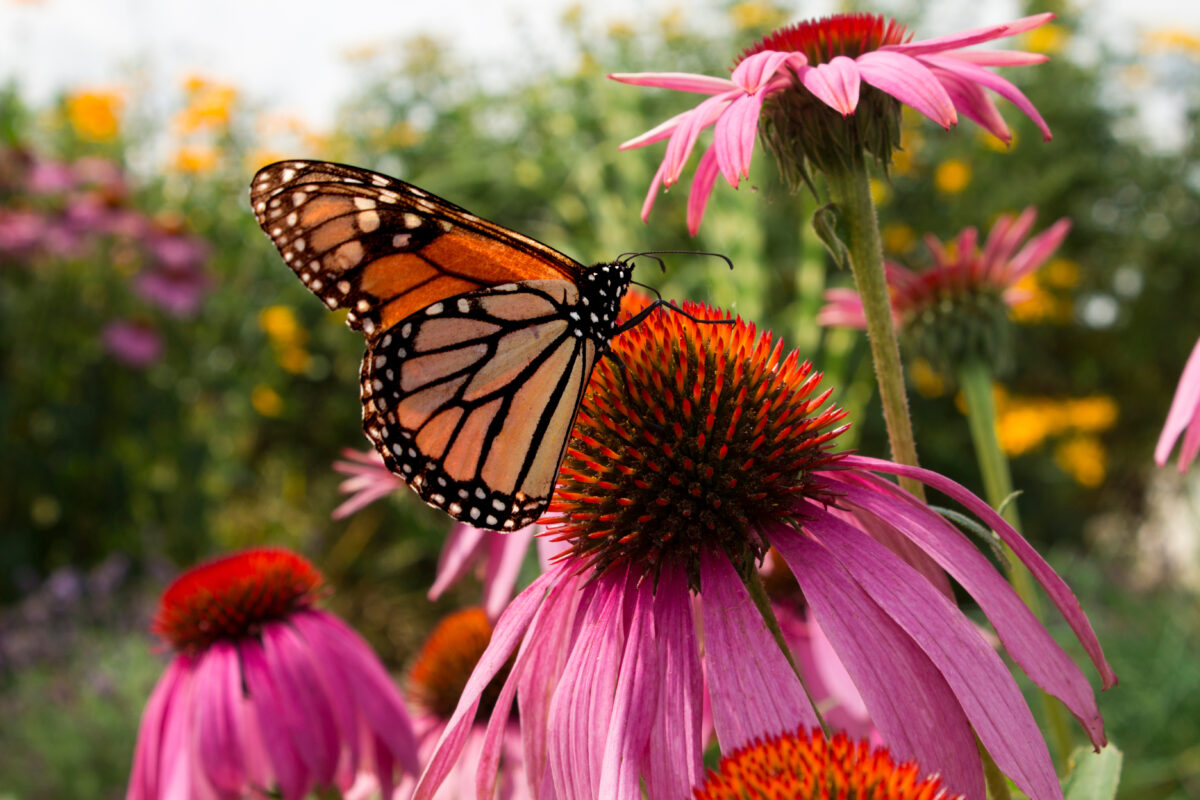
Echinacea is not only valued for its medicinal properties but also for its ability to thrive in a variety of garden settings. These beautiful flowers are native to the prairies of North America and are well-adapted to growing in poor soil conditions that are present in that region. This history makes them relatively low-maintenance plants. Echinacea prefers full sun but can tolerate partial shade, especially in hotter climates. They thrive in well-drained soil and can withstand drought once established, although they will benefit from regular watering during dry periods.
To cultivate continuous blooming, we suggest that you deadhead the spent flowers of your Echinacea. We also recommend regular watering and adding any fertilizer or soil enhancements to keep your flowers alive and well. Echinacea is also generally resistant to pests and diseases, making it an excellent choice for both novice and experienced gardeners looking to add a splash of color and a medicinal touch to their landscapes.
Why We Love Our Plant of the Week
It’s safe to say that Echinacea is a fascinating plant with a rich history and a wide range of uses. From its fascinating origins in Native American medicine to its modern-day popularity as a natural remedy, Echinacea has earned its place as one of the most well-known and widely used herbal supplements in the world. While the scientific evidence on its effectiveness is mixed, many people continue to use Echinacea for its immune-boosting, anti-inflammatory, and antioxidant properties. This wonderful flower provides beauty and wellness value!
What should our next plant of the week be? Let us know what you’d be interested in learning more about in the coming weeks.