
Hydrangeas are among the most captivating and versatile flowering plants in the gardening world! Known for their voluminous, colorful blooms and diverse varieties, hydrangeas can transform any garden into a kaleidoscope of bold colors. Whether you’re a seasoned gardener or just getting started, hydrangeas offer something for everyone. Join us as we take a deeper look into the enchanting world of hydrangeas, exploring their history, types, care tips, and creative uses in landscaping. Have you seen a lot of hydrangeas in Cape Cod yet?
A Brief History of Hydrangeas
Hydrangeas have a rich history that dates back centuries. Native to Asia and the Americas, these stunning flowers have been cultivated and admired for their beauty and versatility. The name “hydrangea” is derived from the Greek words “hydor,” meaning water, and “angeion,” meaning vessel, which reflects the plant’s need for ample water.
The first hydrangeas were brought to Europe from Japan in the 18th century, where they quickly gained popularity among gardeners and botanists. Over time, various species and cultivars were developed, each with its unique characteristics and charm.
Types of Hydrangeas
There are several types of hydrangeas, each offering their own unique features and growing requirements. The most common types of hydrangeas include:
1. Hydrangea Macrophylla (Bigleaf Hydrangea)
Mophead Hydrangeas
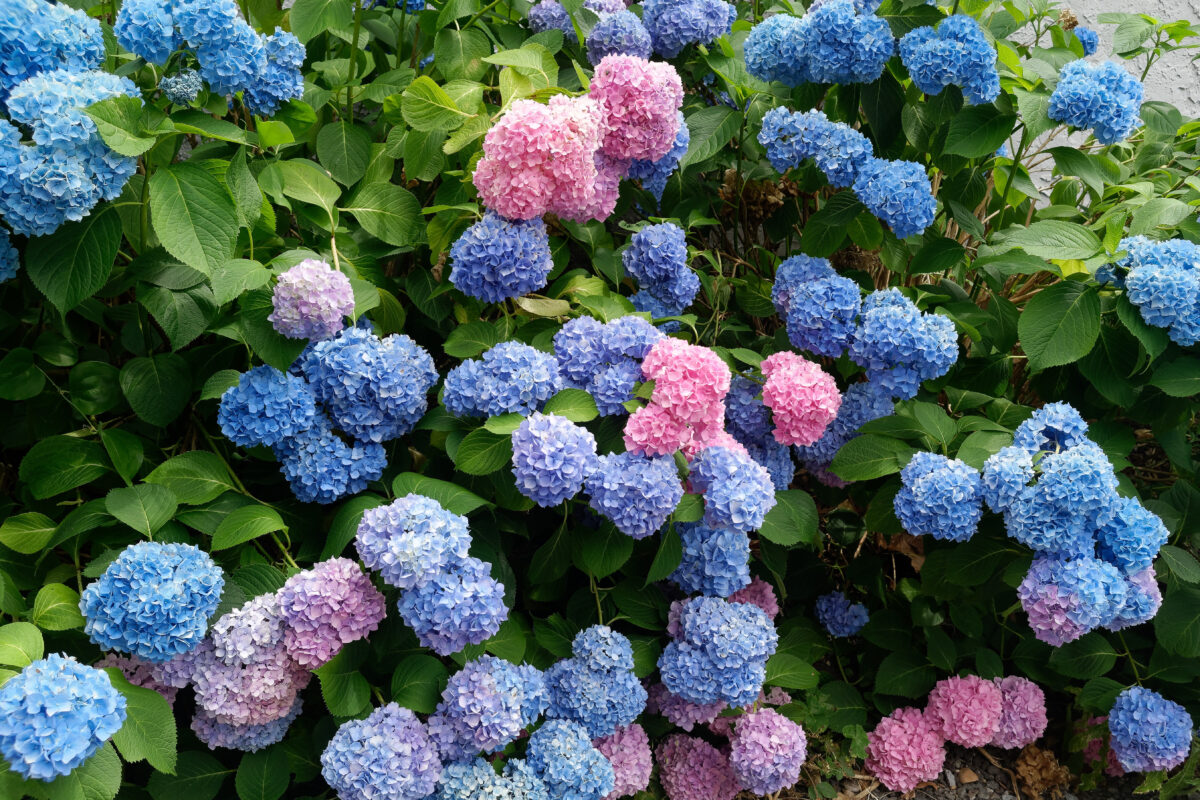
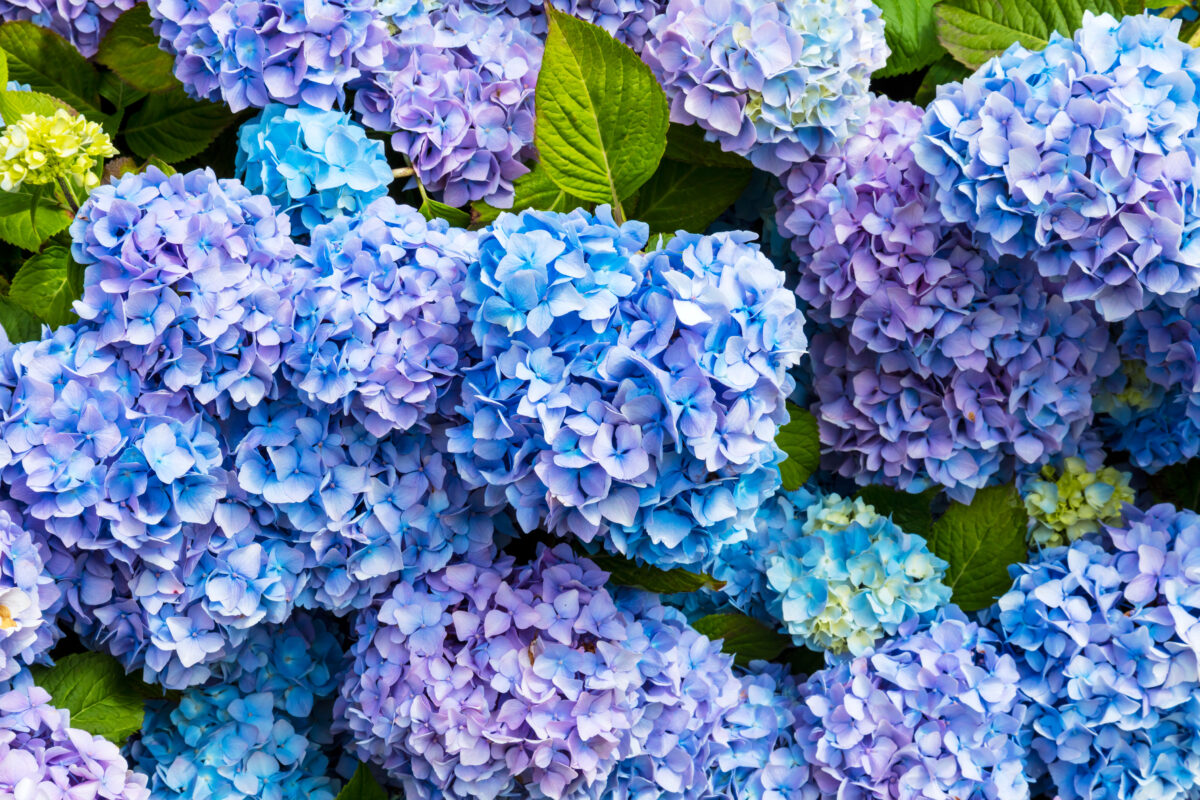
Known for their large, globe-shaped flower heads, mophead hydrangeas are perhaps the most recognizable and universal type. They come in a variety of colors, including pink, blue, and purple, and their color can be influenced by the soil’s pH level.
Lacecap Hydrangeas
These have flat, delicate flower heads with a central cluster of small fertile flowers surrounded by larger, showy sterile flowers. Lacecaps offer a more understated elegance compared to mopheads.

Hydrangeas in Cape Cod
2. Hydrangea Paniculata (Panicle Hydrangea)
Panicle hydrangeas are known for their cone-shaped flower clusters that can grow quite large. They typically start white and gradually turn pink or even red as they mature. Panicle hydrangeas are hardy and can tolerate more sun than other types.
3. Hydrangea Arborescens (Smooth Hydrangea)
Smooth hydrangeas are native to the eastern United States (that’s us!) and are known for their large, round flower heads. The most famous cultivar, ‘Annabelle,’ produces enormous white blooms that can reach up to 12 inches in diameter.
4. Hydrangea Quercifolia (Oakleaf Hydrangea)
Oakleaf hydrangeas are easily recognizable by their lobed leaves that resemble those of an oak tree. Their flowers are typically white, aging to pink or red, and their foliage turns brilliant shades of red, orange, and purple in the fall.
5. Hydrangea Serrata (Mountain Hydrangea)
Similar to lacecap hydrangeas, mountain hydrangeas have delicate flower heads and are native to mountainous regions of Japan and Korea. They are generally smaller and more compact, making them suitable for smaller gardens.
Growing Hydrangeas: Essential Care Tips
Hydrangeas are relatively easy to grow, but they do have specific requirements to thrive. Here are some essential care tips to ensure your hydrangeas reach their fullest potential:
Choose the Right Location
Hydrangeas prefer locations with morning sun and afternoon shade. While some types, like panicle hydrangeas, can tolerate more sun, most hydrangeas will suffer in full, intense sunlight. It’s important to make sure that they are planted in well-drained soil to prevent root rot.
Prepare the Soil
Hydrangeas thrive in rich, well-drained soil. Before planting, blend the soil with organic matter such as compost or well-rotted manure to improve its texture and fertility. The soil’s pH can affect the color of bigleaf hydrangeas, with acidic soils producing blue flowers and alkaline soils resulting in pink blooms. In many cases, the color and bloom of your hydrangea starts with the soil!

Watering
Hydrangeas have high water needs, especially during their first year of growth and during hot, dry spells. Water deeply and regularly to keep the soil consistently moist but not waterlogged. Mulching around the base of the plants can help retain moisture.
Fertilizing
Fertilize hydrangeas in the spring and early summer with a balanced, slow-release fertilizer. Avoid high-nitrogen fertilizers, as they can promote leafy growth at the expense of flowers.
Pruning
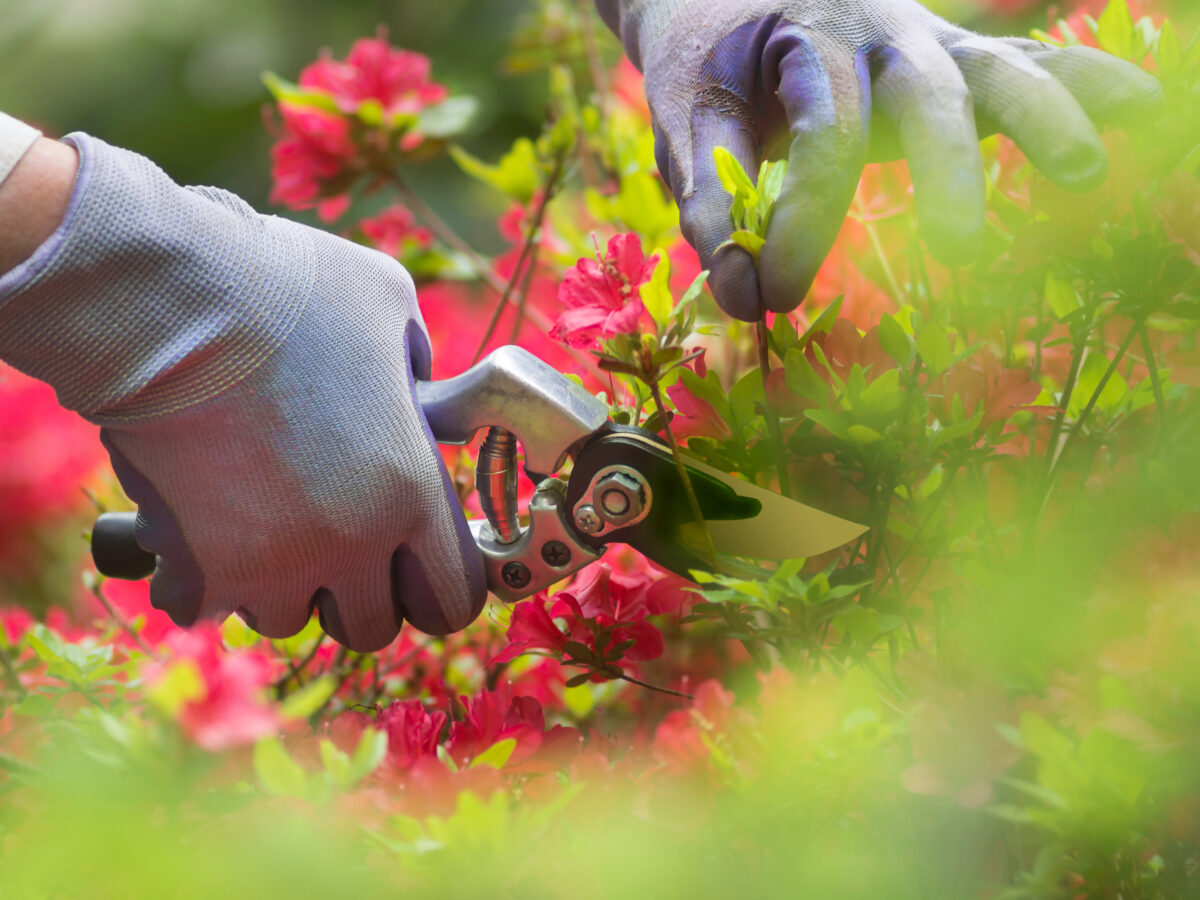
Pruning requirements vary depending on the type of hydrangea. Bigleaf and mountain hydrangeas should be pruned right after flowering, as they bloom on old wood. Panicle and smooth hydrangeas can be pruned in late winter or early spring, as they bloom on new wood. Oakleaf hydrangeas require minimal pruning, usually just to remove dead or damaged wood.
Creative Uses of Hydrangeas in Landscaping in Cape Cod
Hydrangeas are incredibly versatile and can be used in a variety of ways to brighten up your garden and enhance your landscape design. Here are some creative ideas to inspire you:
Hedges and Borders
Hydrangeas make excellent hedges and borders due to their dense foliage and large, showy blooms! Plant them in a row to create a stunning, colorful boundary that provides privacy and visual interest.
Mixed Flower Beds
Combine hydrangeas with other flowering plants and shrubs to create dynamic and visually appealing flower beds. Their large blooms can serve as focal points, while their foliage adds texture and depth.
Container Gardening
For those with limited space, hydrangeas can be grown in containers. Choose compact varieties or dwarf cultivars and ensure the containers have good drainage. Container-grown hydrangeas can be moved around to find the perfect light conditions and to showcase their beauty in different garden areas.
Cut Flowers and Arrangements
Hydrangeas are popular choices for cut flowers and floral arrangements. Their long-lasting blooms and vibrant colors make them ideal for creating stunning bouquets and centerpieces. To prolong the life of cut hydrangeas, immerse the stems in water immediately after cutting and change the water frequently.
Seasonal Displays
Hydrangeas offer year-round interest with their changing colors and textures. In the spring and summer, their blooms are the main attraction, while in the fall, some varieties provide spectacular foliage displays. Even in winter, the dried flower heads can add a touch of rustic beauty to the garden. Hydrangeas never go out of style!
Troubleshooting Common Hydrangea Problems
While hydrangeas are generally hardy and resilient, they can encounter a few common problems. Here are some issues to watch out for and how to address them:
Wilting and Drooping
Wilting is often a sign of water stress. Ensure your hydrangeas are receiving enough water, especially during hot and dry periods. Mulching can help retain moisture and keep the roots cool.
Leaf Spot and Powdery Mildew
Fungal diseases like leaf spot and powdery mildew can affect hydrangeas, particularly in humid conditions. To prevent these issues, ensure good air circulation around the plants, avoid overhead watering, and remove any affected leaves promptly. Fungicidal treatments can also be effective.
Pest Infestations
Common pests that can affect hydrangeas include aphids, spider mites, and scale insects. Regularly inspect your plants for signs of pests and treat infestations with insecticidal soap or neem oil. Encouraging natural predators, like ladybugs, can also help keep pest populations in check.
Bloom Failure
If your hydrangeas fail to bloom, it could be due to improper pruning, insufficient light, or nutrient imbalances. Ensure you’re pruning at the correct time for your hydrangea type, provide adequate light, and fertilize appropriately to encourage healthy growth and flowering.

The Wonderful World of Hydrangeas in Cape Cod
Hydrangeas are a true gardener’s delight with their beautiful blooms, versatile uses, and relatively easy care. Whether you’re looking to create a colorful hedge, enhance your flower beds, or enjoy beautiful cut flowers, hydrangeas can meet all of your gardening needs. With the right care and attention, these enchanting plants will reward you with years of beauty and enjoyment.
Hydrangeas at Agway
We just received a range of hydrangeas at Agway! Stop by and see us for Bloomin Easy Starfield Hydrangeas, Elizabeth Ashley Hydrangeas, and more! Bring your summer gardens to life with these jaw-dropping blooms. We can’t wait to see you!