
There’s Nothing Fun About Fungi!
From the garden of David Christopher, Agway of Cape Cod, Orleans
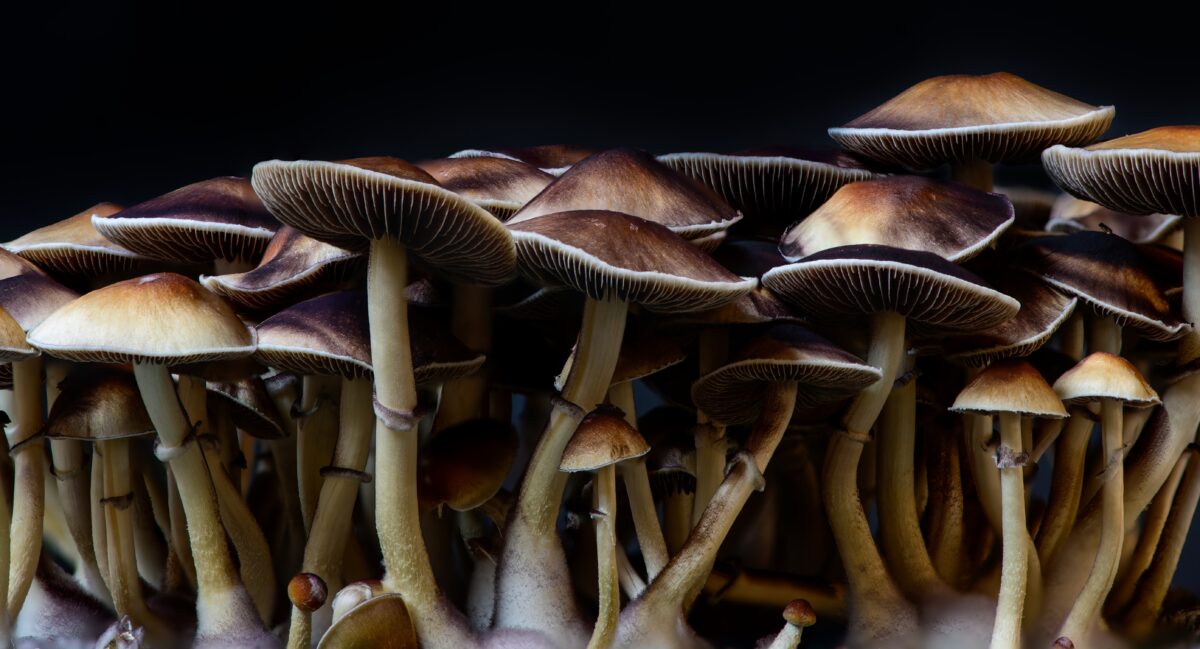
There’s a Fungus Among Us!

Grey mold, black spot, powdery mildew, blight, leaf spot, rust – you’ve seen it on many of your plants in past years. It can be devastating if left untreated. One day you’re admiring your prized plants and then suddenly overnight, you wake up to blackened leaves, white powder, or rusty spots scattered throughout your garden! The heat combined with the humidity on the Cape triggers the release of tiny spores in the soil and air around your plants. Those tiny spores then feast upon the leaves in your garden.
If this happened to you last year, it’s likely going to happen to you this year.
Knowing the inevitable is going to happen again, what can you do about it?
Rest assured, it’s okay to relax in this situation! The truth is, most fungi are not going to kill your plants, especially your established plants. The majority of fungi types are harmless. Although they can look ugly, they tend to be more of a cosmetic problem than a health problem to the plant.
That’s not to say there’s not a dark side to fungi! Not ALL fungi are harmless, but the majority go about their business oblivious to your relationship with your plant, and with no bad intentions.
Where Exactly Do Fungi Come From?
Fungi are everywhere in very large numbers. They are in the soil and the air, on and within plants and animals, in food and clothing, and even in the human body. Together with bacteria, fungi are responsible for breaking down organic matter and releasing carbon, oxygen, nitrogen, and phosphorus into the soil and the atmosphere.
Fungi thrive in wet conditions, so the morning dew on the leaf of a plant is like ringing the dinner bell. Hungry fungal spores find their way and will get down to work feasting on the organic tissue of a plant. The splattering of water droplets on a rainy day or spray from your own garden hose will unknowingly spread the spores from leaf to leaf. The result of that is, what was before a previously green plant, is now covered in a blanket of powdery mildew, black spot or rust!
What Can You Do About It?
 Apply a fungicide NOW!
Topical fungicides work like a raincoat. They remain on the outside of the plant and prevent flocks of air-borne fungal spores from infecting the plant.
Prevention is the best combative approach and by starting early, before you have any problems, you will help protect your plants throughout the humid summer days.
Remember, it’s easier to stop something bad from happening in the first place than to try to fix the damage after it has happened.
How Often Should You Spray?
Spraying regularly is critical to protecting and fostering new growth. Too often, infected plants are sprayed once and left under the assumption that nothing further needs to be done. Know that fungicides can only protect the leaf surfaces they land on. Since plants continue to grow, the new growth will then be left out in the rain unprotected. Without frequent applications every 7-10 days, the unprotected parts of the plant will become vulnerable and soon succumb to the fungus.
A good rule of thumb is that if your plants are leafing out, the fungi are on the hunt, so begin your treatment plan early and stay ahead of any future problems. Contact us or visit us at any of our four Agway locations if you have questions!