
We’re sure that your emails are being bombarded with sales, offers, and discounts. But have you ever thought about the history of Black Friday? When we think of the day after Thanksgiving, most of us immediately think of doorbuster deals, long lines, in-store chaos, and the official start of the holiday shopping season. The origin story of Black Friday goes far beyond the world of retail. Black Friday started during an era of financial turbulence and transformed into a retail phenomenon. The history of Black Friday is actually quite a fascinating journey through American culture and economy! Keep reading as we dive into the history.

The Financial Roots of Black Friday
The term “Black Friday” was first used in a completely different context in the 19th century. On September 24, 1869, a financial panic occurred in the United States. Two Wall Street financiers, Jay Gould and James Fisk, attempted to corner the gold market, driving up prices. Their scheme unraveled, leading to a market crash that affected the economy and wiped out the fortunes of many investors. The chaos of that day earned it the name “Black Friday.”
Though this event was not related at all to shopping, the name stuck as a metaphor for turmoil and disaster. We wouldn’t see “Black Friday” take on a new persona until nearly a century later in the retail world.
The Shift to Retail: Philadelphia’s Role
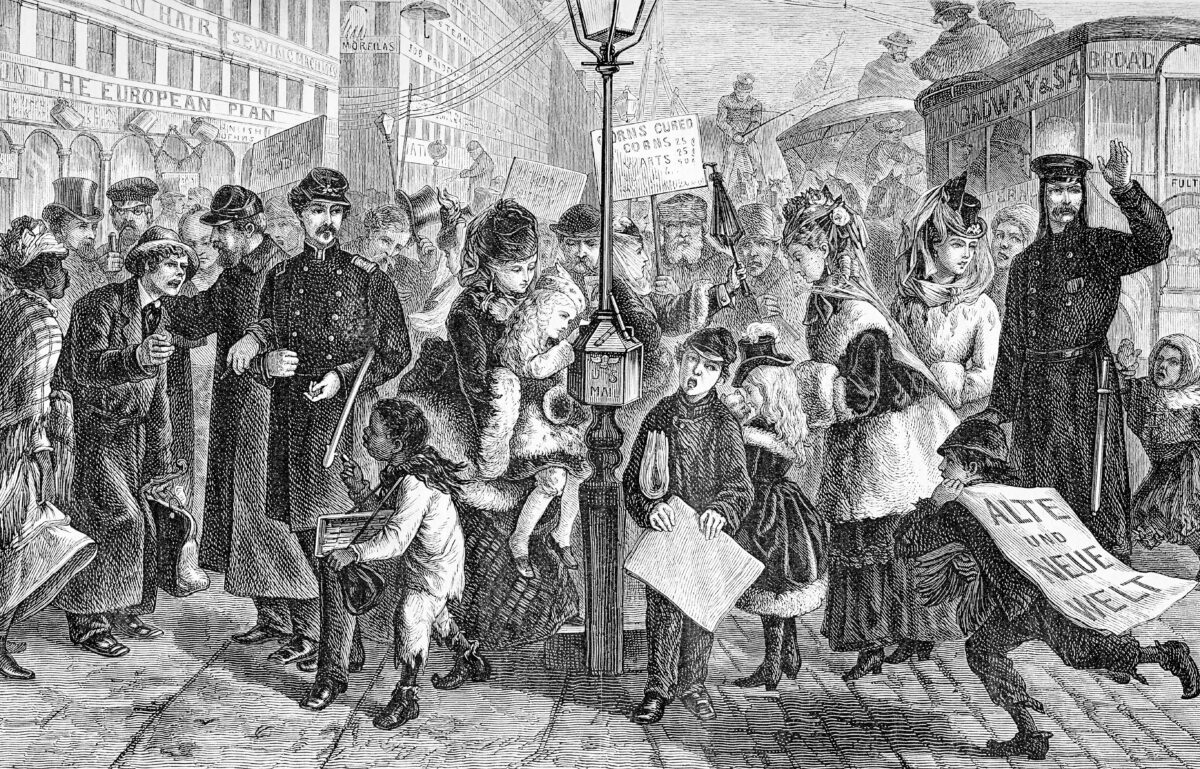
The connection between “Black Friday” and shopping began in the mid-1900s in Philadelphia. In the 1950s and 1960s, the day after Thanksgiving marked the beginning of the Christmas shopping season, as it still does today. Philadelphia police officers used the term “Black Friday” to describe the massive crowds of suburban shoppers and tourists who flocked to the city ahead of the annual Army-Navy football game (and the logistical nightmare they caused), held on the Saturday after Thanksgiving.

The influx of people caused traffic jams, long work hours for law enforcement, and general chaos in the city. Sound familiar? For the police and retail workers, “Black Friday” carried negative connotations, symbolizing the overwhelming and exhausting nature of the day. Retailers initially resisted the name by using terms like “Big Friday” to portray a more positive image.
Black Friday Becomes a National Tradition
The modern, more positive association with Black Friday that we see today began in the ’80s. Retailers rebranded the term, tying it to the idea of profitability and sales. The explanation was simple: many businesses operated at a financial loss (or “in the red”) throughout much of the year. However, the holiday shopping season, starting on Black Friday, often pushed them “into the black,” meaning they became profitable.
This marketing narrative resonated with consumers, and Black Friday gradually began to shed its historically negative connotations. The day grew in significance, as retailers began offering impressive discounts and promotions to attract shoppers. By the 1990s, Black Friday had become the busiest shopping day of the year in the United States, solidifying its role as a cultural and economic phenomenon across the country.

The Evolution of Black Friday: From In-Store to Online
As Black Friday became more popular, so did the competition among retailers to capture the attention and spending dollars of the consumers. Stores began opening earlier, with some starting their sales as early as Thanksgiving night. The tradition of early-morning “doorbuster” deals became a hallmark of the event, with shoppers lining up (sometimes overnight!) for a chance to snag heavily discounted items.
The rise of the internet and e-commerce in the late 1990s and early 2000s forced Black Friday to evolve. Online retailers, led by giants like Amazon, introduced their own deals, giving rise to “Cyber Monday,” the online counterpart to Black Friday. Shoppers who preferred to avoid the chaos of brick-and-mortar stores embraced this new option, and the Thanksgiving weekend evolved into a multi-day shopping spree.

Lately, as we’re sure you’ve noticed, the lines between Black Friday and Cyber Monday have blurred. Many retailers now offer “Black Friday Week” or even month-long sales, in order to get ahead of their competition. At the same time, discount and promotion offerings have become less drastic, taking some of the urgency out of Black Friday.
Black Friday Around the World
Even though Black Friday originated in the United States, it has become a global phenomenon. Countries around the world have taken our tradition and morphed it into their local cultures and retail calendars. In the UK, Black Friday gained traction in the 2010s, spurred by American retailers who operate on a global scale like Amazon and Walmart. Countries like Canada, Brazil, and India have also embraced Black Friday as a major shopping event.
In some cases, Black Friday has sparked criticism and pushback. The rise of consumerism and reports of chaotic shopping behavior, such as stampedes and fights, have led some to question the cultural and moral meaning of the event. There has also been a focus on retail workers and their extremely long and demanding hours during what should be a family holiday all in the name of profit. In response, movements like “Buy Nothing Day” and “Opt Outside Day” have emerged, encouraging people to rethink their spending habits and focus on family, nature, and connection.
The Future of Black Friday
As consumer behavior and accessibility continue to evolve, so does Black Friday. It’s no shock that the COVID-19 pandemic significantly impacted the event. Many people shopped for online deals over in-person experiences, and most in-person experiences were not even available. Retailers adapted by enhancing their digital platforms and offering contactless pickup options, things that have persisted even as in-person shopping has rebounded.

Looking ahead, Black Friday’s future will likely be shaped by advancements in technology, shifts in consumer values, promotion value, and the ongoing competition between physical stores and online retailers. No matter how this spending frenzy holiday evolves, Black Friday will always be a testament to the power of tradition, marketing, and the human desire for a good deal.
The History of Black Friday
From its beginnings as a term for financial disaster to its current meaning as a spending spree, Black Friday has transformed into an American marketing cornerstone. It reflects not only the evolution of American consumer culture but also the adaptability of businesses and shoppers alike. Whether you love it for the deals or avoid it for the crowds, Black Friday remains a defining date of the holiday season and a fascinating chapter in the history of business.