

In our vast open oceans, there exists a majestic creature that has captured the awe and imagination of humanity for centuries – the whale. These magnificent giants of the sea have played a significant role in our planet’s ecosystem and cultural narratives. Every year on February 18th, people around the world come together to celebrate and raise awareness about the conservation of whales on World Whale Day. Let’s take a look back through time to explore the rich history behind this important day.
Origins of World Whale Day
World Whale Day started in Maui, Hawaii, where in 1980, a group of Hawaii residents gathered to protest the commercial whaling industry. This initial gathering, known as “Save the Whales Day,” aimed to raise awareness about the dangers that whales were facing and the need for their protection. Over time, the event grew in popularity and evolved into what we now know as World Whale Day.
Evolution of World Whale Day

Throughout the 1980s and 1990s, the movement to protect whales gained momentum globally. Organizations such as Greenpeace and the World Wildlife Fund (WWF) campaigned tirelessly to end commercial whaling and promote conservation efforts. As public awareness grew, so did the support for initiatives like World Whale Day.
In 2002, the Whale Trust Maui, a nonprofit organization dedicated to whale research and education, officially established February 18th as World Whale Day. The date was chosen to coincide with the peak of the humpback whale season in Hawaii, where thousands of these majestic creatures migrate to the warm waters to breed and nurse their young.
Since its inception, World Whale Day has become more than just a one-day event. It has evolved into a global movement that celebrates whales, raises awareness about their conservation, and inspires action to protect these magnificent creatures and their habitats.
The Importance of Whales
It’s essential to understand why whales hold such significance in our world. Whales are not only iconic symbols of the ocean but also play a crucial role in maintaining the health of marine ecosystems. As apex predators, they help regulate the populations of other marine species, contributing to the balance of oceanic ecosystems.
Maintaining The Health and Balance of Our Oceans

Whales play a crucial role in maintaining the health and balance of ocean ecosystems, and their conservation efforts have far-reaching benefits:
1. Carbon Sequestration: Whales help combat climate change by capturing carbon dioxide through their massive bodies and depositing it deep into the ocean when they die. This process, known as the “whale pump,” helps sequester carbon and regulate the Earth’s climate.
2. Nutrient Cycling: When whales feed at the ocean’s surface, they consume large quantities of nutrients. When they dive and defecate in deeper waters, they redistribute these nutrients, enriching the ocean’s upper layers and supporting the growth of phytoplankton and other marine life.
3. Food Web Dynamics: Whales are apex predators, regulating the populations of their prey species. By controlling the abundance and distribution of other marine animals, whales help maintain the balance of ocean ecosystems and promote species diversity.
4. Tourism and Economy: Whale watching is a significant source of income for many coastal communities around the world, including here on the Cape. By conserving whale populations, we also support sustainable ecotourism, which generates revenue and jobs while raising awareness about marine conservation.
5. Indicators of Ocean Health: The presence and behavior of whales can serve as indicators of the overall health of marine environments. Monitoring whale populations and studying their movements and behaviors can provide valuable insights into the state of our oceans and help guide conservation efforts.
6. Biodiversity Conservation: Protecting whales often involves preserving large areas of ocean habitat, which benefits a wide range of marine species. Conservation measures aimed at whales can contribute to the overall protection of marine biodiversity and the preservation of delicate ecosystems.
Celebrating World Whale Day
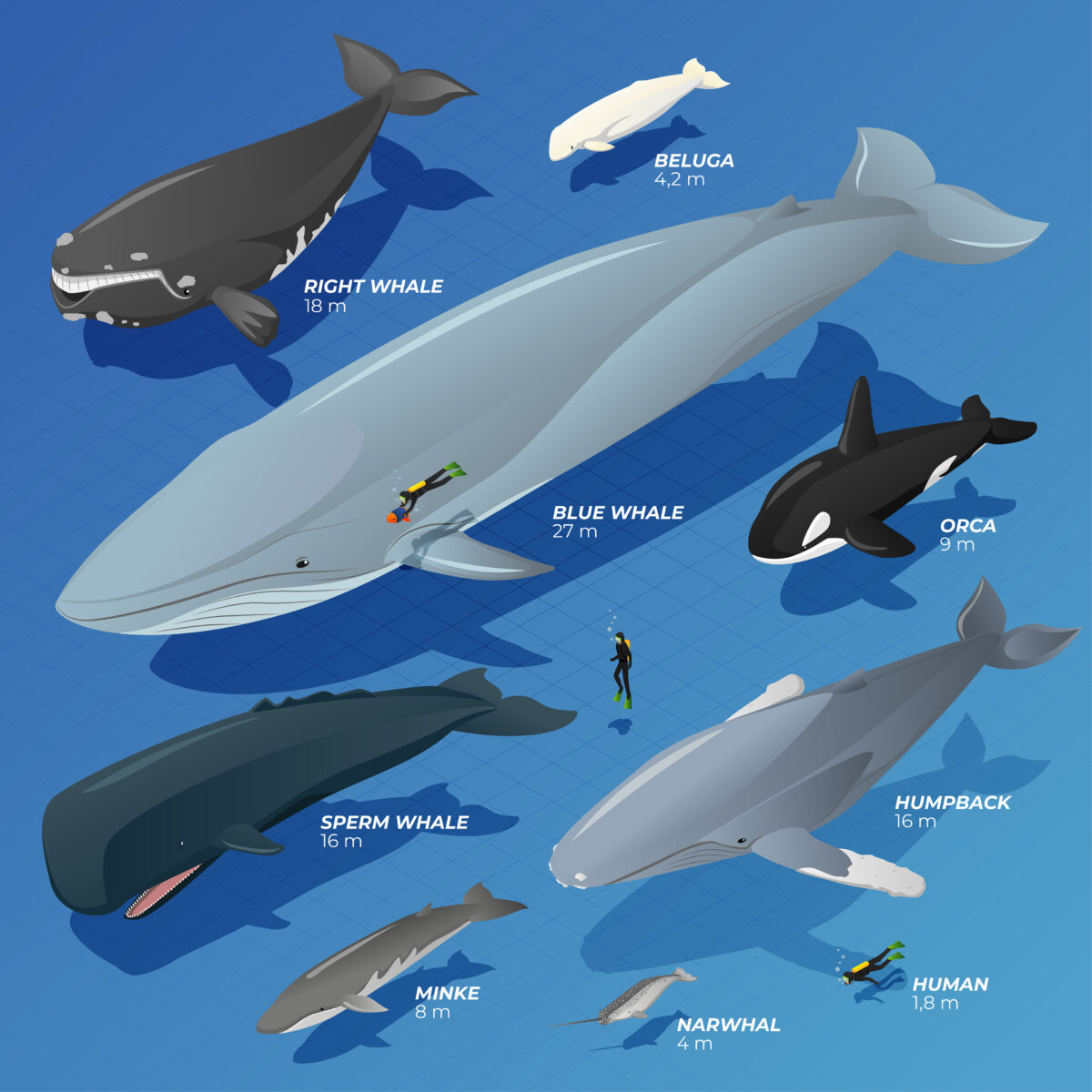
Each year, World Whale Day is marked by a variety of activities and events held in different parts of the world. From educational workshops and film screenings to beach cleanups and whale-watching tours, people come together to celebrate the beauty and importance of whales and other marine life.
In Hawaii, where the tradition began, World Whale Day is celebrated with great enthusiasm. The annual Maui Whale Festival features live music, dance performances, food vendors, and educational exhibits, attracting thousands of visitors from around the globe.
Beyond Hawaii, World Whale Day has inspired similar celebrations in coastal communities worldwide. These events serve as platforms for scientists, conservationists, and advocates to share knowledge, raise funds, and mobilize support for whale conservation efforts.
Challenges and Conservation Efforts
Despite significant progress in recent decades, whales continue to face numerous threats to their survival. Commercial whaling, habitat destruction, pollution, climate change, and ship strikes are just some of the challenges confronting these majestic creatures.
To address these threats, governments, NGOs, and individuals are working together to implement various conservation measures. International agreements such as the International Whaling Commission (IWC) have helped regulate commercial whaling, while marine protected areas (MPAs) have been established to safeguard critical whale habitats.
Advances in technology have also revolutionized whale research and monitoring efforts. Satellite tagging, acoustic monitoring, and aerial surveys have provided valuable insights into whale behavior, migration patterns, and population dynamics, informing conservation strategies and management decisions.
Looking Ahead
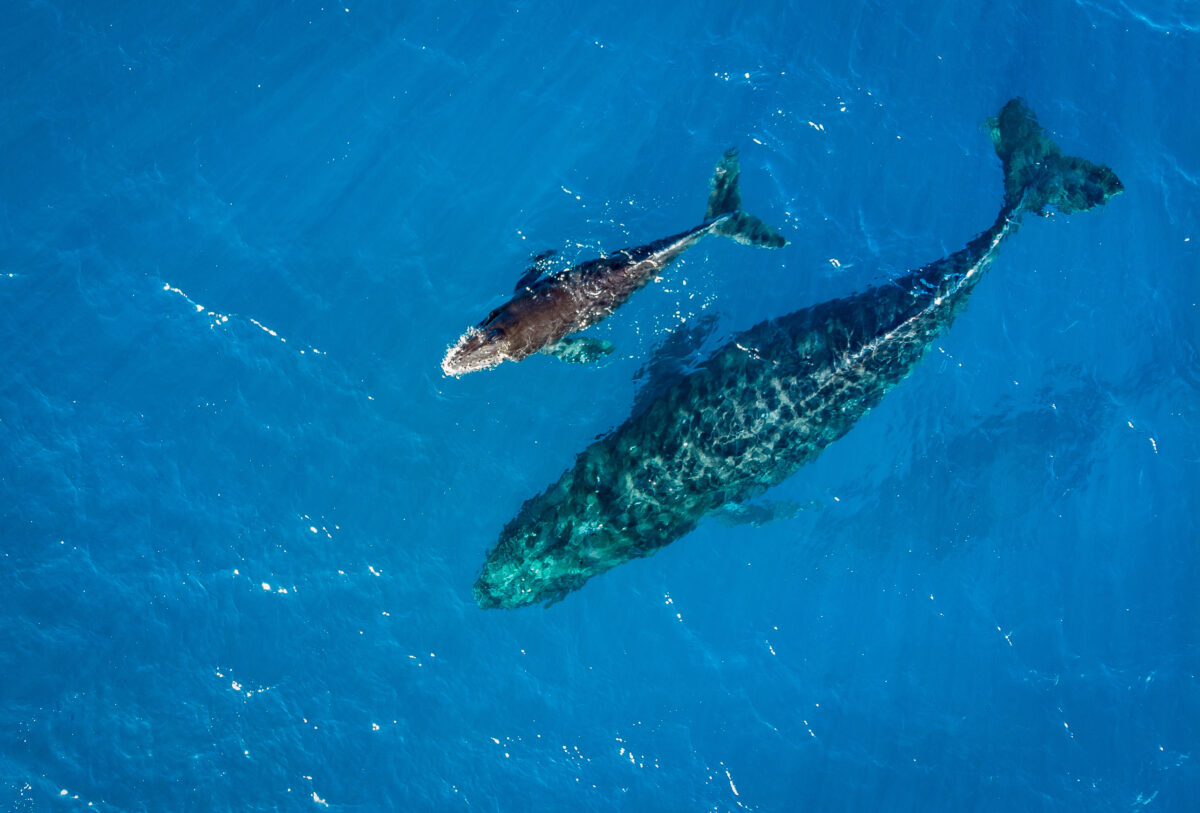
As we celebrate World Whale Day each year, it serves as a reminder of the ongoing struggle to protect these iconic creatures and the ecosystems they inhabit. While progress has been made, there is still so much work to be done.
By supporting initiatives such as World Whale Day and advocating for stronger conservation measures, we can help ensure a brighter future for whales and all marine life. Together, we can celebrate the giants of the sea and safeguard their place in our shared natural heritage for generations to come.