
Our earth is estimated to be 4.54 billion years old. During much of that time, our planet was covered with water and little to no visible land. Life in this ‘water world’ did not exist for a very long time. It wasn’t until about 3.7 billion years ago that any signs of life began to emerge. That’s almost one billion years of a lifeless planet Earth!

Earliest Signs of Life
Evidence suggests that these earliest life forms were simple, single-celled microbes. These microbes likely lived near hydrothermal vents, where mineral-rich hot water spewed from beneath the crust of the earth. The microbes likely used sulfur to produce energy because the atmosphere at the time contained no oxygen.
Scientists believe oxygen began to form 3 billion years ago in the oceans as a photosynthetic by-product of ancient algae known as cyanobacteria. However, the oxygen was quickly consumed by microbes and carbon sinks that would eventually form coal, oil, natural gases, methane, and limestone, preventing it from entering the atmosphere.
After nearly 2.3 billion years of single-celled microbes, more complex multi-celled organisms evolved.
The explosion of more algae and the photosynthetic process of utilizing sunlight, water and carbon dioxide to produce energy, continued to release oxygen as a byproduct. This process slowly built up the oxygen in the atmosphere, taking hundreds of millions of years for enough oxygen to exist to support complex life. This period became known as the Great Oxidation Event!
The Evolution of the Land on Earth
Meanwhile, the Earth’s continental land masses were being formed by tens of thousands of bursts of molten magma that were taking place below the ocean floor.

Like lego blocks being built one on top of another, the layers of magma rose and between 3.3 billion and 3.2 billion years ago, about half a billion years after the first signs of life emerged. As the magma rose, Earth’s first continents finally emerged from the ocean depths!
Today, 21% of the air we breathe is oxygen, and it’s essential for life on Earth. When oxygen levels built up enough to create an ozone layer, life was able to move from the sea onto land, protected from the sun’s deadly ultraviolet light.
A New Form of Algae
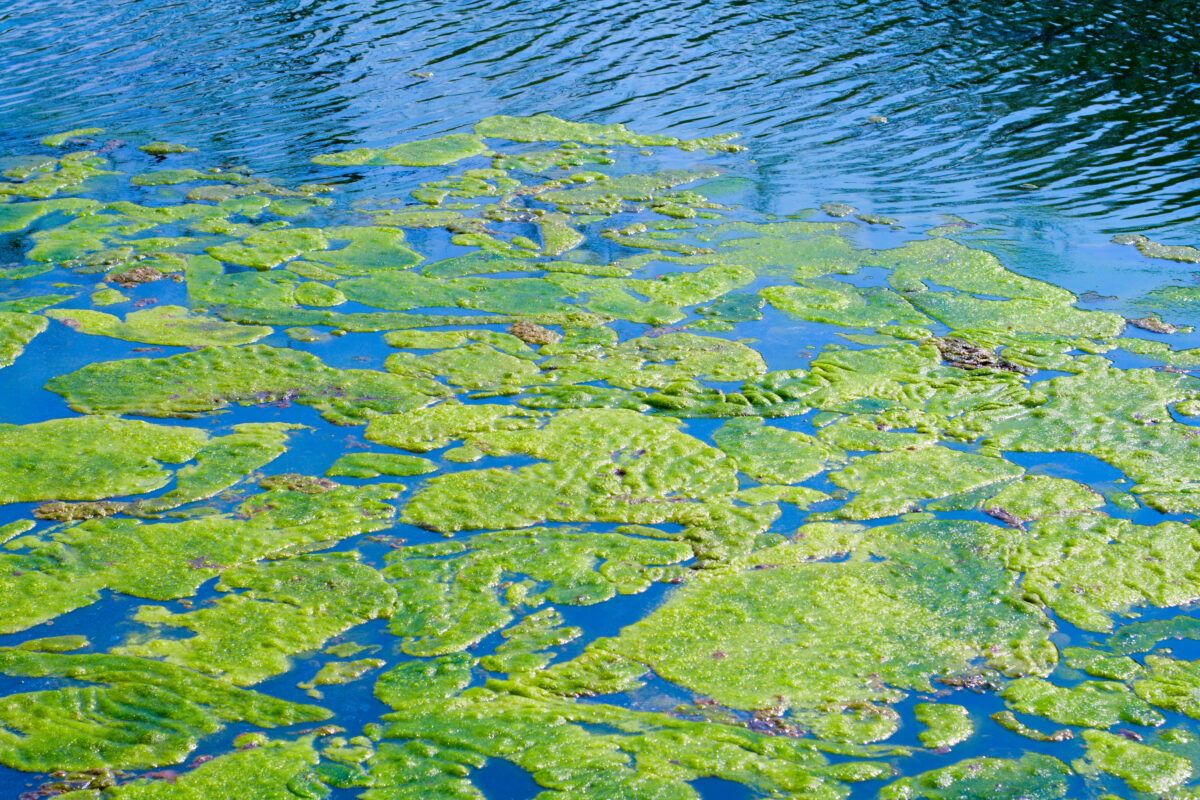
After 1.5 billion years from the Earth’s inception, a new stage of algae development began to occur. Red, green, and blue-gray algae formed and developed features such as the presence of photosynthetic pigmentation and multicellular form. These algae could store food in the form of starch and polymers, the building blocks of more complex molecular structures.
These diverse algae led to an even more complex group known as Chromista. Many chromist groups are photosynthetic, using colorful pigments to capture the energy of sunlight to fuel the manufacture of food. Because of this, chromists are often the most important primary producers in aquatic ecosystems, forming the basis on which the food chain is built.
Algae
For the next 1 billion years, new marine life forms would evolve, diversify and emerge. These organisms would split and pave the pathway into one of five kingdoms:
Bacteria
Protista (algae, diatoms, dinoflagellates, and euglena)
Fungus
Plants
Animals
The Emergence of Plants
Plants are universally thought to have evolved from green algae in the ocean around 460 million years ago. Mosses, liverworts, and hornworts are considered to be the first true plants on dry land.
These non-vascular plants (do not have roots, stems, or leaves) dominated Earth for several million years and they still thrive in many niches today. Due to their lack of sophisticated transport tissues, these early plants are limited in size. Non-vascular plants are low growing, reproduce with spores, and need a moist habitat. There has not been a lot of evolution with the non-vascular plants and they continue to thrive in a sort of simple and prehistoric way.
The Birth of Vascular Plants
Most environments today are dominated by vascular plants…. that is, they possess specialized tissues that transport water, minerals, and nutrients throughout the plant. As the non-vascular plants moved further inland and away from their watery environment, they began to ‘reach for the sky’.
The first vascular plants evolved about 420 million years ago. They most likely originated from their moss-like ancestors. As these plants continued to evolve, early vascular plants became more plant-like in other ways as well. Vascular plants grew true roots made of vascular tissues, allowing the absorption of more water and minerals from the soil.
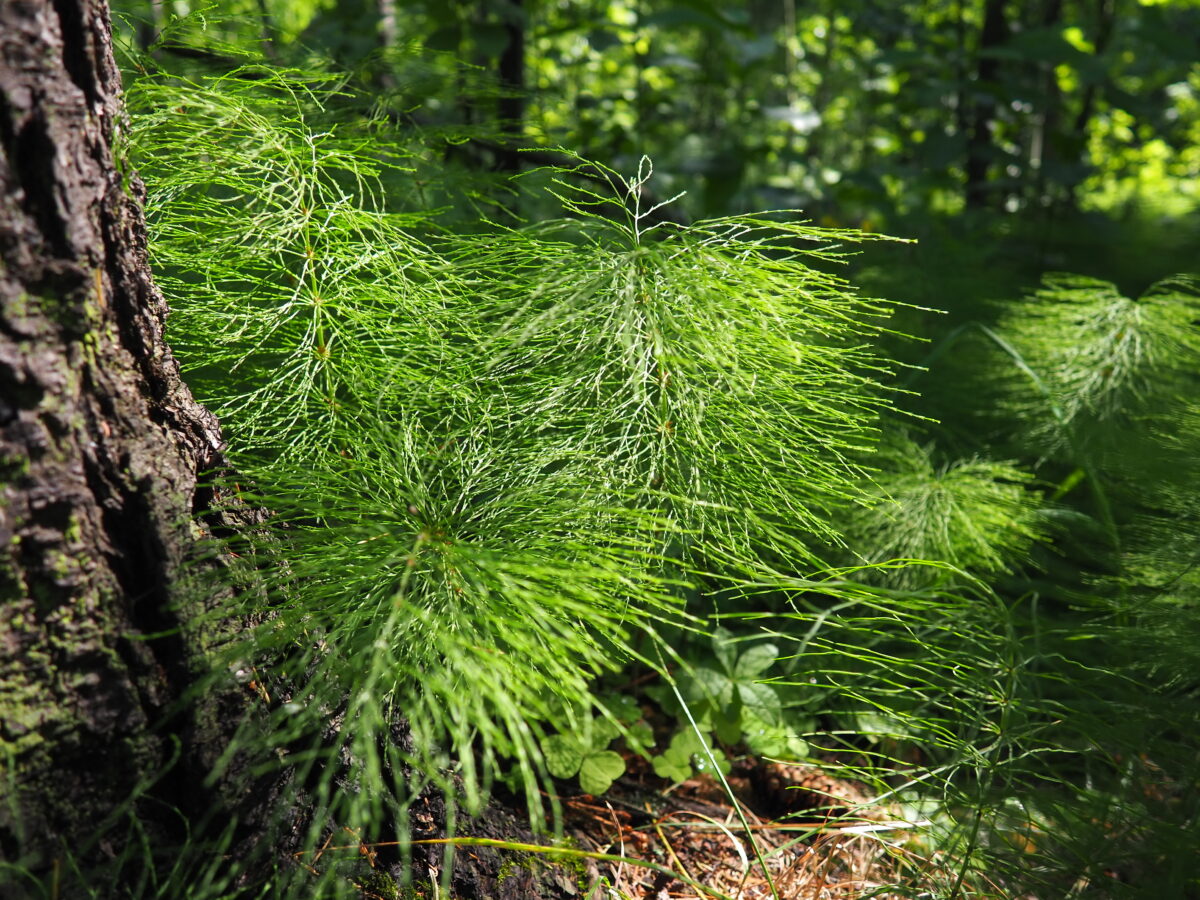
These roots also anchor plants securely in the ground, so plants can grow larger without toppling over. Vascular plants evolved stems made of vascular tissues and lignin. Lignin allows the stems to be stiff, so plants can grow high above the ground where they can get more light and air. Because of their vascular tissues, stems keep even tall plants supplied with water so they don’t dry out in the air.
Vascular plants obtained leaves to collect sunlight. At first, leaves were tiny and needle-like, which helped reduce water loss. Later, leaves were much larger and broader, so plants could collect more light.
With their vascular tissues and other adaptations, early vascular plants had the edge over non-vascular plants. They could grow tall and take advantage of sunlight high up in the air.
Non-vascular plants were the photosynthetic pioneers onto land, but early vascular plants were the photosynthetic pioneers into air. Vascular plants took photosynthesis to the skies! The first known vascular plant was called Cooksonia.
Individual Cooksonia plants were small, only an inch tall, and had a simple structure. They lacked leaves, flowers, and roots but they possessed a simple stem with vascular tissue. It was this type of plant that provided the transitional link between the primitive non-vascular plants and the vascular plants.
Climactic Change
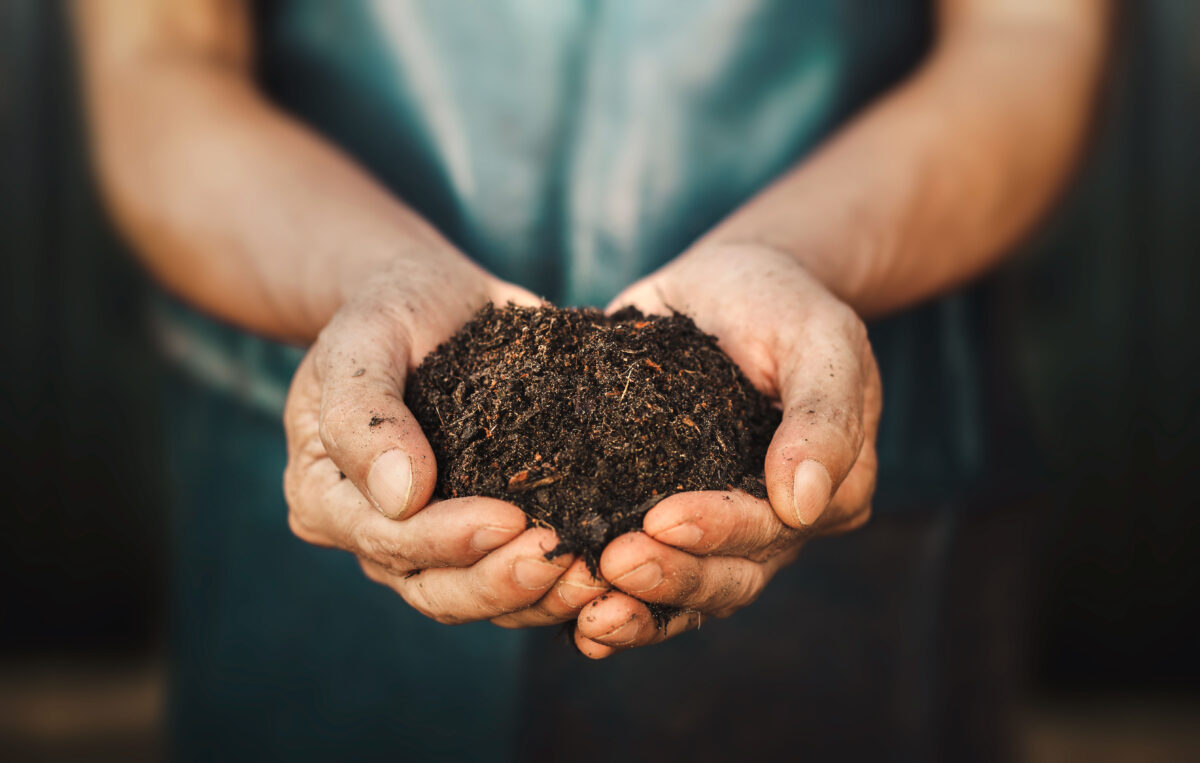
For millions of years the earths land masses continued to build and expand. Soil began to form as the rock was broken down and the organisms and organic matter decomposed on land.
Around 359 million years ago, primitive evergreens (clubmosses) and ferns appeared, forming the earths first forests. Fossils from some of the Earth’s earliest forests have been found in Devonshire and Somerset in the United Kingdom! These foundational soils began to deepen, allowing root systems to develop. Soon after, the earliest seed plants appeared.
The Dinosaur Era
Roughly 230 million years ago, the first dinosaurs appeared. Many feeding on the ferns, horsetails, and club mosses that often reached over 100 feet tall. This period of the Earth’s history had a global climate of warm temperatures and high humidity. This created ideal conditions for early plants to flourish.

Fossils of ferns date back to 383–393 million years ago, and these primitive plants dominated the land before flowering plants. Ferns became a major food source for herbivorous dinosaurs like Stegosaurus and Triceratops.
Fern Reproduction
Ferns are dependent on moisture for their sexual reproduction. Their primitive method of reproduction evolved before flowering plants. Sometime during the growing season, a mature fern releases spores, which are the plant’s sexually reproductive cells. With adequate moisture and light, these spores can grow into small, flat plants that look like leafy liverworts.
In nature, fern spores germinate in moss, rotting logs, or damp exposed soil in shady locations (such as by a stream). Moist, porous rock such as limestone ledges are also ideal fern habitat.
The Rise of Flowering Plants

It’s thought that flowering plants first appeared sometime between 250 and 140 million years ago. However, the oldest fossil proof of this is only from around 130 million years ago and is of a very small simple flowering plant called Archaefructus. Archaefructus was an herbaceous plant with a habit that suggests an aquatic life-style.
The Greenhouse Effect
Around 145-66 million years ago, significant climate changes were occurring that may have contributed to the rapid diversification of the flowering plants that existed on Earth. A rise in carbon dioxide levels led to a significant increase in greenhouse effect, warming the planet.
The climate became warmer and more humid due to active volcanism and high rates of seafloor spreading. Fires opened forests and created habitats for low-growing, sun-loving plants.
It was this global climatic shift to a dryer planet that allowed flowering plants to advance and populate the earth. With their amazing ability to reproduce through flowers and seeds, plants were able to disperse and ride out the dry or cold spells. Flowering plants began to shift the world’s dominant vegetation away from ferns. Today, flowering plants are the largest and most diverse group within the Plant Kingdom.
There are about 391,000 species of vascular plants currently known to science. Of these, about 369,000 species (94%) are flowering plants.
The Evolution Continues
Evolution is an ongoing process and plants are no exception. Evolution in plants occurs through natural selection, that is, species that are more adapted to their environment are more likely to survive and pass on the genes that aided their success. This process causes species to change and diverge over time.
For many species, particularly plants, the evolution process operates so slowly that it is not observable except over thousands or hundreds of thousands of years, which is much too long to witness in a human lifetime.
When you think about the fact that earth is 4.54 billion years old and modern humans only evolved a mere 300,000 years ago, the likelihood of witnessing a new evolutionary plant trait through natural selection is highly unlikely.
As we know, mankind is addicted to science! Science is now used to change plant biology and speed up evolution through a variety of techniques.

Such scientific works include:
– Genetic engineering to change a plants DNA and alter beneficial traits or suppress harmful ones.
– Molecular biology to make plants more resistant to pests and diseases and can better withstand drought.
– Synthetic genetic circuits that could help plants adapt to climate change, process signals in plant leaves and rewire gene expression in plant roots to change how they grow.
What More is to Come?
Botanists have been changing plants through hybridization for hundreds of years. The urge to want to improve upon a plant’s traits is driven by curiosity, desire, and necessity.
Waiting thousands of years for the next evolution to take place is not an option for us impatient humans, so science allows us to genetically alter plant disease resistance, size, flower formation, color, fruit ability, taste or any other reason to make a plant more special.
Who knows, if left to evolution, some time a million years from now, we may see plant roots transform into legs that allow varieties to uproot themselves and move to more favorable growing conditions as seasons change.
Unless, of course…. man can get there first!
– David Christopher