
 If you’ve noticed a blur of wings zipping through your yard or heard the soft hum of tiny feathers in motion, you’re not imagining things. ???? We’re thrilled to say that hummingbirds are back on Cape Cod!
Each spring, these incredible little birds make their way north from Central America and the southern U.S., returning to the our area in the Northeast just in time for the early blooms of the season. Right now, Cape Cod is buzzing (literally) with activity as the hummingbirds we’ve all been waiting for arrive in search of food, partners, and good nesting spots.
Whether you’re a longtime hummingbird enthusiast (like many of us at Agway!) or someone who simply enjoys watching nature unfold from your kitchen window, now is the perfect time to welcome these adorable and fun birds to your garden.
The Great Migration
The ruby-throated hummingbird is the only species that breeds in the Eastern U.S., and every year, they embark on an unbelievable journey where they fly up to 2,000 miles from their wintering grounds in Mexico and Central America to reach places like our home of Cape Cod. Along the way, they cross from Central America to North America in a single, non-stop flight that can take 18 to 24 hours. This truly is a remarkable feat, especially for a bird that weighs next to nothing!

By late April and early May, (so, right now) the first hummingbirds typically start to show up here on the Cape. These are, what some might say, the early birds. Jury’s still out on if they got the worm or not! ???? This week, local gardeners and birdwatchers have begun reporting sightings, especially in gardens filled with early blooms or stocked hummingbird feeders. It’s such an exciting and rejuvenating time to be on the Cape.
What Hummingbirds Are Looking For
After such a physically exhausting journey, hummingbirds arrive to their final destination hungry. Immediately, they’re on the lookout for high-energy food sources. While they do eat small insects and spiders for protein, their primary source of fuel is nectar. Now, this is where your garden comes in.
Hummingbirds are especially drawn to bright colors, with red and orange being their favorites. Flowers with tubular shapes are ideal, since they can easily insert their long beaks and tongues to extract nectar.
Flowers that Hummingbirds Love
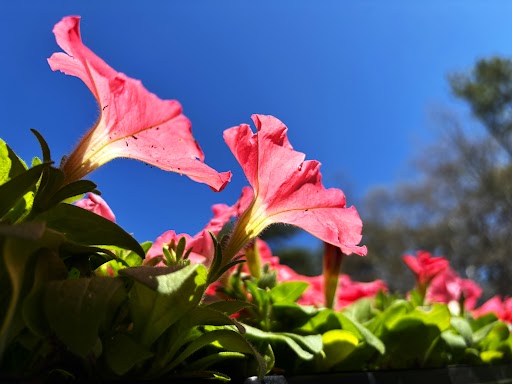
Petunias
Here are some of their favorite flowers that thrive here on Cape Cod:
Annuals
-
Cuphea (also called cigar plant): With its fiery red tubular flowers, cuphea is a magnet for hummingbirds.
-
Petunias: Easy to grow in containers or beds, petunias come in many colors, but go for the red, pink, or coral varieties to boost your odds of attracting hummingbirds.
-
Cleome (spider flower): With tall, spiky blooms, cleome adds height and drama to your garden and plenty of nectar.
-
Lantana: This tropical annual offers a mix of bold colors and is loved by hummingbirds and butterflies alike.
Perennials

Bee Balm
Bee Balm (Monarda): This Cape Cod favorite bursts with color and is irresistible to hummingbirds.
-
Agastache (hummingbird mint): With its long spikes of orange, purple, or pink flowers, agastache is not only hummingbird-friendly but also deer-resistant and drought-tolerant.
-
Cardinal Flower (Lobelia cardinalis): A native wildflower with intense red blooms, this plant thrives in moist soil and is a hummingbird favorite.
Vines
-
Trumpet Honeysuckle (Lonicera sempervirens): Not to be confused with the invasive Japanese honeysuckle, this native vine offers clusters of tubular red-orange flowers that
-
hummingbirds can’t resist.
-

Mandevilla
Mandevilla: You’ve probably seen this beautiful plant around town. Growing in containers with trellises, mandevilla brings tropical flair and nectar-rich blooms to patios and porches.
Setting Up a Hummingbird-Friendly Garden
Do’t worry, creating a hummingbird haven is easier than you might think! Start by planting a mix of the flowers listed above. This includes annuals for color, perennials for longevity, and vines to add layers and more of a structured feel. Aim for continuous blooming from spring through fall, as hummingbirds need a steady supply of nectar throughout the summer months.
Tips for a Successful Hummingbird Garden:
-
Plant in clusters. Group similar flowers together to make it easier for hummingbirds to spot them from the air.
-
Avoid pesticides. Insects are an important protein source for hummingbirds, and chemical sprays can be harmful.
-
Add a perch. Tiny tree branches give hummingbirds a place to recharge and survey their territory.
-
Use native plants. Whenever possible, choose Cape Cod-native species to support not just hummingbirds, but the broader ecosystem.
Don’t Forget the Feeders
While flowers are ideal, adding a hummingbird feeder gives these little visitors an extra energy boost. Especially early in the season when there aren’t many blooms yet.
Hot to make your own nectar:
-
Mix 1 part white sugar and 4 parts water
-
Boil that sugar water mixture for 1–2 minutes to dissolve the sugar and kill any potential bacteria
-
Let it cool completely before filling your feeder
Important tips:
-
Never use red dye. It’s unnecessary and potentially harmful to birds.
-
Change the nectar every 2–3 days (even daily in hot weather!) to prevent mold and bacteria.
-
Clean your feeders thoroughly each time you refill them.
Place your feeder near flowering plants, and in a high up and quiet spot where hummingbirds will feel safe from predators like cats or larger birds.

Cuphea
Watch, Learn, and Enjoy
Once your garden is hummingbird-ready, all that’s left to do is enjoy the show! Hummingbirds are incredibly entertaining to watch as they dart from flower to flower, hover, and even chase each other around.
You may notice some of these birds return to the same yard year after year. Hummingbirds are known to have excellent memories and can recall specific gardens along their migratory path.
If you’re lucky, you might even spot a female building her nest. Hummingbird nests are tiny (about the size of a walnut) and are usually camouflaged in the different sections of tree branches.
Get Started at Agway
Looking to stock your garden with hummingbird-friendly plants? Stop by any of our Agway of Cape Cod locations! We have a great selection of annuals, perennials, and vines that hummingbirds love. Our team of experts can help you design a pollinator-friendly yard that will attract not just hummingbirds, but butterflies, bees, and other beneficial visitors.
This week is prime time to get your hummingbird garden started! Don’t miss the chance to turn your yard into a favorite stop along their incredible journey.
Happy Planting and Happy Birdwatching!
Have you spotted any hummingbirds yet? Share your sightings and photos with us on social media. We’d love to see how Cape Cod is welcoming them back!
Instagram: https://www.instagram.com/agwaycapecod/
Facebook: https://www.facebook.com/AgwayCapeCod/