
Plus Tips for Designing a Garden That Thrives All Season Long
Take a drive along our historic Route 6A this week and you’ll be greeted by front yards and public gardens bursting into bloom. Irises, rhododendrons, and the season’s first roses are painting the Cape in beautiful purples, pinks, and whites. These blooms are a reminder that late spring is one of the most rewarding times to stop and admire the beauty that surrounds us.

But great gardens don’t happen by chance. If you’re up to date on our blogs, you’ll know that gardening is a topic we could write about forever, because there is a lot that goes into it. Gardens are a product of thoughtful design, careful timing, and a little patience. Whether you’re starting fresh or adding to an established bed, now is the perfect time to both enjoy the view and think about how to get the most from your garden all season long.
The Irresistible Iris
Right now, irises are stealing the show. It’s a beautiful sight to see. These classic perennials stand tall and elegant and their petals kind of look like ball gowns, don’t you think? You’ll find them in a range of shades including purples, lavenders, buttery yellows, and whites.
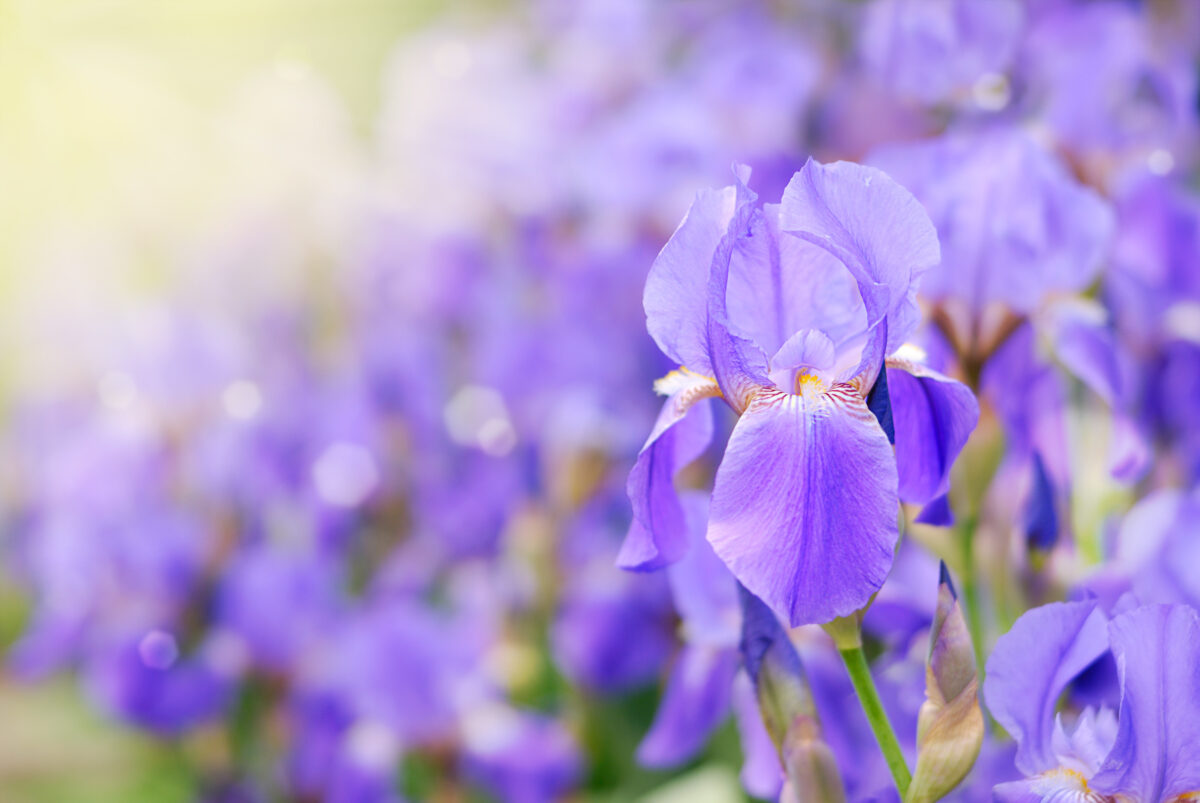
Irises aren’t just pretty faces. They’re hardy, drought-tolerant once they’ve got their roots in place, and relatively low maintenance. Most varieties prefer full sun and well-drained soil. If you’re designing a layered bed, irises are ideal for that middle tier layer, usually growing 2 to 3 feet tall. When planted in groups, they create strong vertical appeal and act as a beautiful mid-spring focal point.
Tip: To keep your irises healthy, avoid planting them too deep. The rhizome (that thick horizontal root) should be partially exposed at the soil surface to prevent rot.
The name, “iris” actually comes from the Greek word for “rainbow,” and it’s no surprise why. It’s hard to say that a word has Greek roots without thinking of the hilarious scene from My Big Fat Greek Wedding. ???? Add this one to your summer re-watch list!
Rhododendrons
Also making a splash this week are the rhododendrons! These flowers are large, lush, and full of color, and you’re probably seeing them everywhere right now. These broadleaf evergreens are a Cape Cod favorite, and they’re perfectly suited to our region’s naturally acidic soil. Their rounded clusters of blooms appear in late May through early June and can range from a pretty pale blush to deep magenta.
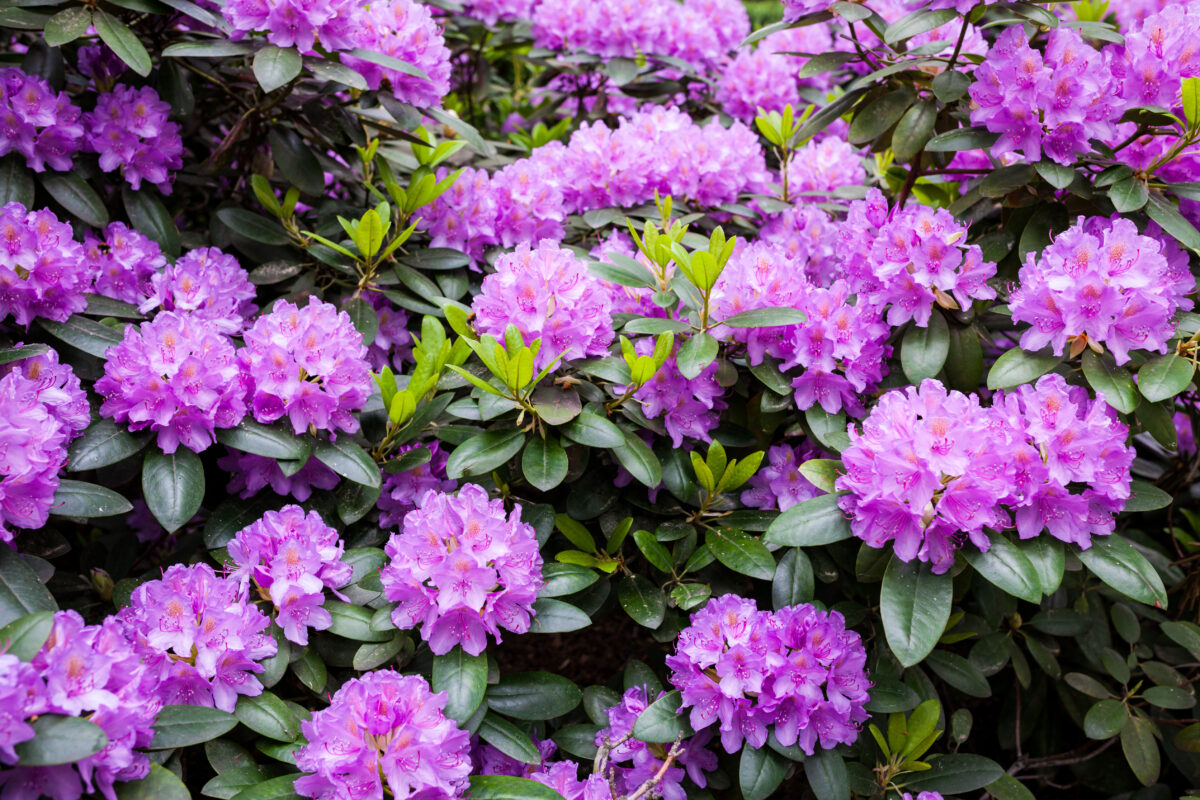
One of the greatest strengths of rhododendrons is their year-round presence. Even after the blooms fade, their leathery green leaves add structure and richness to the garden, especially in shady areas. This is a great flower to add to your garden mix if you’re looking for fullness and more greenery.
Tip: Rhododendrons love filtered light and consistent moisture but dislike “wet feet” (who can blame them!). Plant them in slightly elevated beds or amend the soil to improve drainage. Prune your rhododendrons just after flowering to maintain shape and encourage next year’s blooms.
The Return of the Roses
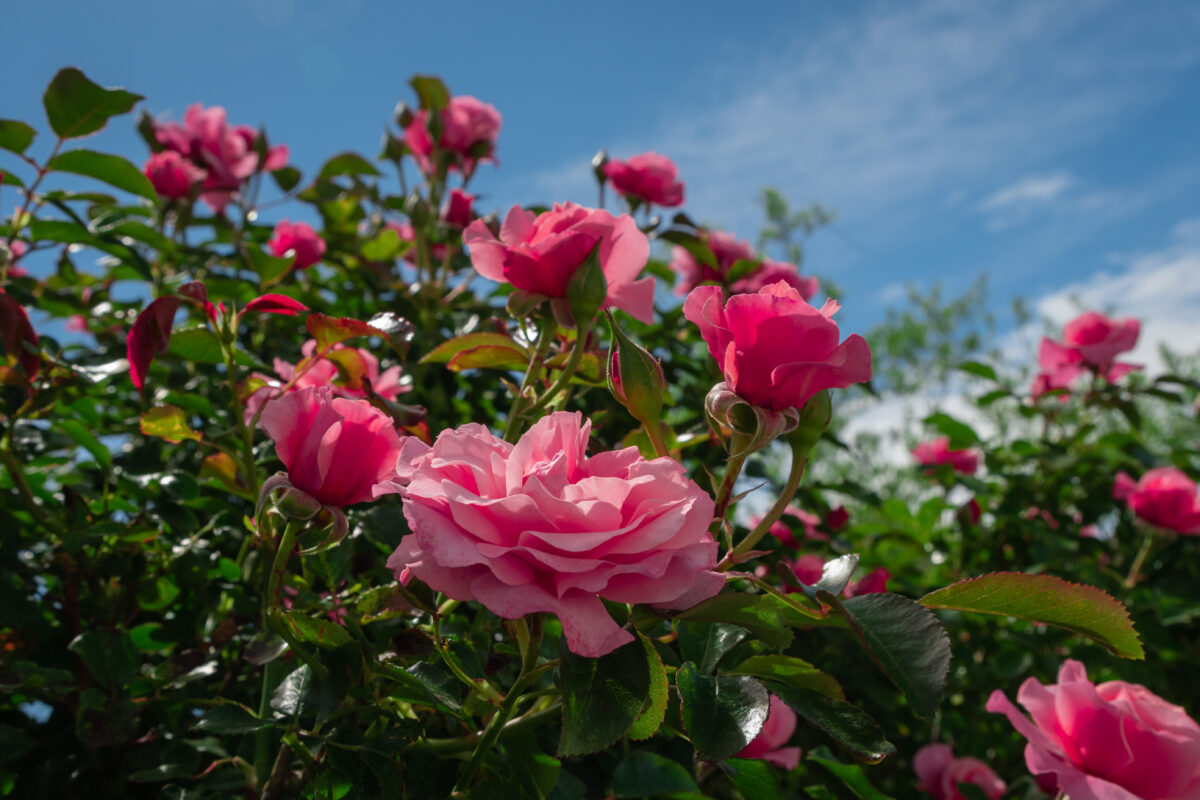
Rounding out our bloom report: roses. Just this week, we’re seeing the first flush of blooms! Some are classic shrub varieties, others are climbing up trellises or draping over fences. Their fragrance and old-fashioned charm are unmatched. If you’re out and about this week, we encourage you to stop and smell the roses – literally.

Many gardeners shy away from roses, fearing that they’re too finicky or too hard to get just right. Some of the newer varieties are surprisingly resilient and disease-resistant. Plus, with proper spacing and air flow, you can minimize common issues like black spot or mildew.
Tip: When planting roses, choose a spot with at least six hours of sunlight per day and enrich the soil with compost. Deadhead regularly to encourage more blooms, and consider companion planting with lavender or salvia, which can help get rid of or prevent pests naturally.
Creating a Garden That Grows With You
So how do you ensure that your garden doesn’t just look great today, but continues to stay full and beautiful throughout the season? That’s where thoughtful design comes in. As our gardening expert, Priscilla (seen below), often says, the key is to plan for variety, not just in color, but in height, texture, and bloom time.

Start by designing in layers. Taller plants (6 to 12 feet) should anchor the back of a border or the center of an island bed. Mid-sized plants (4 to 6 feet) come next, followed by low growers (2 to 3 feet) in the front. This tiered approach gives the garden visual depth and prevents it from looking flat.
Avoid the common mistake of line planting, which is where flowers are placed in neat rows. Instead, stagger your plantings to create more natural, flowing curves. Not only is this more visually interesting, but it also leaves room to tuck in ground covers or seasonal favorites.
Tip: Aim for a bed depth of at least 4 feet. This allows for proper layering and gives plants room to mature without overcrowding.
Foliage Counts, Too
While blooms steal the spotlight, don’t overlook the power of foliage. Leaves come in an amazing range of colors and textures, beyond just the typical green. Mixing them in adds contrast and keeps your beds looking full even when flowers fade.
Some foliage favorites to consider:
-
Heuchera (Coral Bells) for dramatic, colorful leaves
-
Hostas for shade areas with wide, rippled foliage
-
Lamb’s Ear for soft, silvery texture
-
Ferns for a woodland-style look

Plan for a Garden That Evolves
Remember, a great garden isn’t static. It changes week to week and year to year, but that’s what keeps it exciting. By choosing a diverse mix of plants with staggered bloom times, you create a living landscape that always has something new to offer.
This week it’s irises, rhododendrons, and roses. Next week, something else will take center stage. That’s part of the magic.
So take time to walk through your garden or your neighborhood, and notice what’s blooming. Let it inspire your next plant purchase or spark a new idea for a bed redesign. With a little planning and a lot of observation, your garden can become a dynamic, ever-changing canvas.
Come visit any of our locations at Agway to speak to our gardening team. See what’s new in our garden center HERE. We update this every week!