
As we enjoy the peak months of summer here on Cape Cod, gardeners are met with both beauty and challenge. Flowers are blooming, vegetables are ripening, and lawns are lush, but the rising temperatures, periods of drought, and occasional heavy rains can quickly turn a thriving garden into a stressed one. One simple yet powerful way to protect your garden during July? Mulching!

While many people associate mulching with spring planting, July is actually a crucial time to revisit your mulch game. Whether you’re growing vegetables, flowers, shrubs, or just trying to keep your lawn edges looking neat, mulch can make a big difference in how well your landscape weathers our very intense summer heat.
What Is Mulch, Exactly?
If you’re not a seasoned gardener, you may not have heard of this term. Mulch is any material that’s spread over the surface of the soil to cover and protect it – and we carry lots of mulch at Agway. It can be organic (like bark, straw, compost, shredded leaves, or grass clippings) or inorganic (like stones or landscape fabric). For most Cape Cod home gardens, organic mulch is the way to go because it breaks down over time and improves both soil structure and fertility.
Why Mulch in July?

If you missed mulching in the spring, it’s absolutely not too late. In fact, mid-summer may be when your garden needs mulch the most! Here’s why July is prime time for mulching:
1. Retain Moisture in the Heat
Our beautiful Cape Cod summers can be deceiving. While the breeze might feel cool and there’s humidity in the air, the sun can dry out soil fast. A layer of mulch helps lock in soil moisture, reducing how often you need to water and keeping your plants happier between rains. This is especially important for vegetables, annual flowers, and any new plantings that haven’t yet developed deep root systems.
2. Keep Roots Cool
Like many of us, roots don’t respond well to extreme temperature shifts. Though our days are pretty hot, it does cool down in the evenings, which hits harder beneath the soil. Mulch acts as insulation, keeping the soil cooler during the day and warmer at night. This helps reduce heat stress on your plants and encourages steady growth throughout the hot months.
3. Control Weeds Naturally
July is peak growing season for your plants and for weeds. By blocking sunlight, mulch helps suppress weeds naturally, so you can spend less time weeding and more time enjoying your garden. No harsh chemicals, just a smarter, cleaner solution.

4. Improve Soil Health Over Time
Organic mulches like bark, straw, and shredded leaves break down slowly in your garden and add valuable nutrients back into the soil. This means healthier soil year after year, which is something every Cape Cod gardener can appreciate in our often sandy, acidic coastal soil!
5. Protect from Rain Splash and Erosion
Our Cape Cod Summer storms can be intense, to say the least. Mulch provides a cushion that prevents soil erosion and reduces “splashback,” which can spread fungal diseases to plant leaves. It’s a simple step that helps keep your garden cleaner and healthier.
How to Apply Mulch the Right Way
If you’re applying mulch in July, follow these mulching tips for the best results:
-
Choose the Right Type: For vegetable gardens, straw or shredded leaves work well. For flower beds and borders, bark mulch is a durable and attractive option. Avoid using fresh grass clippings unless they’ve dried out. The reasoning here is that too much nitrogen can burn plants.
-
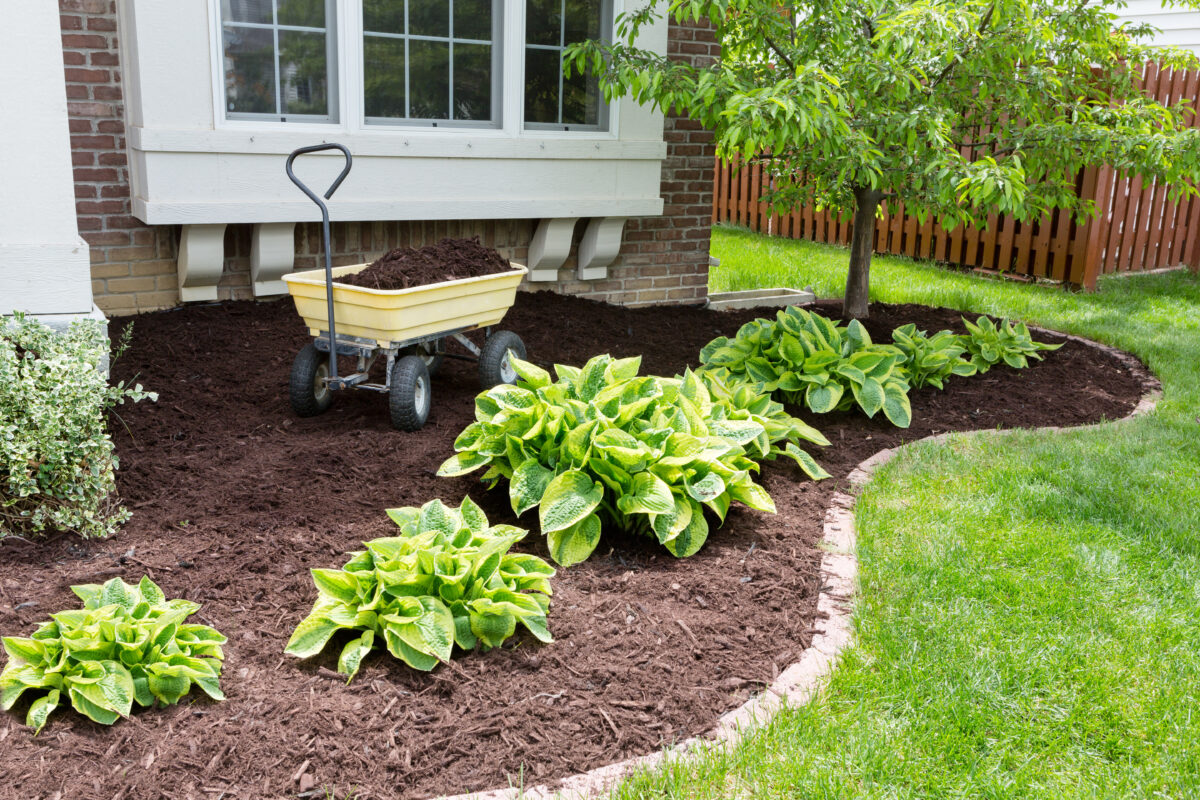
Apply the Right Depth: Plan to apply 2 to 3 inches of mulch to your garden. Any less won’t provide much benefit and any more can suffocate roots or attract pests.
-
Leave Space Around Stems: Keep all mulch a few inches away from plant stems and tree trunks to avoid rot and discourage insects from nesting.
-
Replenish as Needed: Check your beds mid-summer. If the mulch you’ve applied looks thin or broken down, it’s time to top it off.
When You Should Skip Mulching
While mulch is beneficial in most situations, there are a few cases where you might hold off or use it differently:
-
Overwatered Areas: If a spot tends to stay soggy, adding mulch might worsen drainage issues.
-
Seed-Starting Zones: If you’re direct-sowing seeds in July, wait until they sprout before mulching, or mulch around them to avoid smothering.
Mulching Products at Agway Cape Cod
At Agway of Cape Cod, we stock a variety of high-quality mulch options perfect for mid-summer gardening. Whether you’re looking for natural cedar mulch, organic straw, pine bark, or compost blends, our team can help you choose what’s right for your space. We’re also happy to answer any questions about how and when to apply mulch in order to create maximum impact for your garden.

Final Thoughts
Mulching may not be the flashiest part of gardening, but it really is one of the most powerful tools in your summer survival kit. In July, when Cape Cod’s gardens are soaking up sun and facing seasonal stress, mulch helps create a buffer, keeping your soil healthy, your plants protected, and your garden looking (and feeling!) its best.
So if your beds are looking a little bare or your watering can is working overtime, it might be time for a mid-season mulch refresh. Your garden will thank you. ????